Understanding the Concept of Remote High Ticket Closing
The question what is remote high ticket closing refers to a modern sales role where professionals close premium deals entirely online or over the phone. This role focuses on selling high-value products or services, typically ranging from hundreds to tens of thousands of dollars. These offers are often found in industries like coaching, consulting, software, and online education. Unlike traditional sales jobs that rely on face-to-face meetings, this role operates in a fully remote environment. A remote high ticket closer speaks with qualified leads who have already shown interest in a product or service. The main goal is to guide potential clients toward making confident purchasing decisions. This career has grown rapidly due to the expansion of digital businesses and global remote work opportunities.
High ticket offers require strong communication skills because the stakes are much higher than low-cost sales. Clients often need deeper trust before committing to a purchase. This is why remote closers play a critical role in bridging the gap between interest and decision. The process is structured, strategic, and heavily focused on understanding human behavior. Many people are drawn to this field because it combines psychology, sales, and remote flexibility into one career path. As more businesses move online, the demand for skilled closers continues to rise steadily.
The Evolution of High Ticket Sales in the Digital Economy
The concept of what is remote high ticket closing did not exist in its current form a decade ago. Traditional sales relied heavily on in-person meetings, cold calling, and physical presentations. However, the digital transformation of business models changed how companies sell premium products. Online coaching programs, SaaS platforms, and virtual consulting services created the need for remote sales professionals. Businesses realized they could scale faster by hiring closers who work from anywhere in the world.
The evolution was driven by convenience, efficiency, and global accessibility. Companies no longer need large physical sales teams in one location. Instead, they can hire trained remote professionals who specialize in closing deals over Zoom or phone calls. This shift opened opportunities for individuals across different countries to enter high-income sales roles. It also reduced operational costs for companies while increasing conversion rates. Today, remote high ticket closing is considered a key function in many online business models.
Core Responsibilities of a Remote High Ticket Closer
Understanding what is remote high ticket closing also means understanding the responsibilities involved in the role. A closer is responsible for speaking with qualified leads who have already shown interest in a product or service. The conversation is not about pushing people to buy but about guiding them through a decision-making process. This requires a deep understanding of the offer and the client’s needs.
Closers must ask the right questions to uncover pain points and goals. They then align those needs with the solution being offered. Objection handling is a major part of the job, especially when dealing with high-value purchases. Many clients hesitate before making a large financial commitment, so reassurance is key. Closers must also maintain professionalism while building trust quickly over remote communication channels. Every conversation is structured to move the prospect toward a confident yes or a clear no.
How Remote High Ticket Closing Works Step by Step
The process of what is remote high ticket closing can be broken down into several structured stages. It begins with lead generation, where potential customers are identified through marketing efforts. These leads are then qualified to ensure they match the ideal customer profile. Once qualified, appointments are scheduled for sales calls.
During the call, the closer engages in a discovery process to understand the prospect’s situation. This includes identifying goals, challenges, and motivations. After gathering information, the closer presents the offer in a tailored way. The conversation is not scripted word-for-word but follows a strategic flow. If objections arise, the closer addresses them using logic, empathy, and clarity. Finally, if the prospect is ready, the deal is closed and payment is processed.
Skills Required to Become a Successful Remote High Ticket Closer
Mastering what is remote high ticket closing requires a combination of technical and soft skills. Communication is the most important skill because every deal depends on conversation quality. Emotional intelligence is also essential because closers must understand client psychology. Confidence plays a major role when presenting high-value offers.
Closers also need strong listening skills to fully understand client needs. Sales psychology helps in guiding conversations effectively without pressure tactics. Time management is important because most closers work independently. Adaptability allows professionals to adjust their approach based on different personalities. Self-discipline ensures consistent performance in a remote environment.
Key skills include:
- Active listening and empathy
- Persuasive communication
- Objection handling techniques
- Emotional control during calls
- Confidence in presenting premium offers
- Understanding buyer psychology
- Strong self-motivation in remote work
These skills combine to create a high-performing closer capable of handling complex sales conversations.
Tools and Technology Used in Remote High Ticket Closing
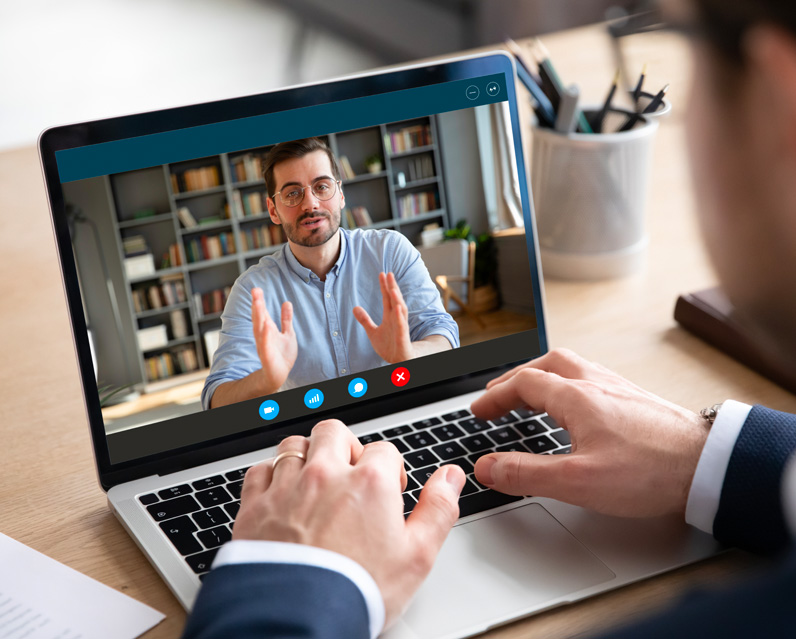
To fully understand what is remote high ticket closing, it is important to look at the tools used in the industry. Remote closers rely heavily on digital platforms to manage their workflow. Customer Relationship Management (CRM) systems help track leads and monitor progress. Video conferencing tools like Zoom are commonly used for sales calls.
Scheduling tools help organize appointments efficiently. Payment processing platforms ensure smooth transaction handling after a deal is closed. Some businesses also use call recording software to improve training and performance analysis. Email automation tools support follow-ups and client communication. These technologies allow remote closers to operate efficiently from anywhere in the world.
Industries That Use Remote High Ticket Closers
The demand for what is remote high ticket closing exists across multiple industries. One of the most prominent sectors is online coaching, where programs are sold at premium prices. Digital marketing agencies also rely on closers to sell services to business owners. SaaS companies use closers to convert enterprise-level clients.
Other industries include:
- Online education platforms
- Business consulting services
- Personal development programs
- Health and fitness coaching businesses
- Financial and investment advisory services
These industries depend on high ticket sales because their offerings deliver long-term value. Remote closers help bridge the gap between interest and commitment, making them essential to revenue growth.
Income Potential and Commission Structures
A major reason people explore what is remote high ticket closing is the income potential. Most closers work on a commission-based model rather than a fixed salary. This means earnings depend on performance and number of deals closed. Commission rates typically range from 5% to 20% depending on the industry and product value.
High ticket deals can range from $1,000 to over $50,000, making each sale highly valuable. Experienced closers can earn substantial monthly income with consistent performance. Beginners may start with lower commissions but can scale quickly with experience. Income is directly tied to skill level, consistency, and the quality of leads provided. This performance-based structure attracts individuals seeking flexible, high-income opportunities.
Advantages of Working as a Remote High Ticket Closer
Exploring what is remote high ticket closing reveals several career advantages. One of the biggest benefits is location independence. Closers can work from anywhere with an internet connection. This flexibility allows for a better work-life balance compared to traditional jobs.
Another advantage is unlimited earning potential based on performance. There is no fixed salary cap, which motivates continuous improvement. Remote work also eliminates commuting and office constraints. Many professionals appreciate the opportunity to work with global clients. The role also builds valuable communication and business skills that are transferable to other careers.
Challenges Faced in Remote High Ticket Closing
Despite its advantages, what is remote high ticket closing also comes with challenges. One of the biggest difficulties is handling rejection. Not every call results in a sale, and this can be mentally demanding. The role also requires emotional resilience and consistency.
Beginners often struggle with confidence during early calls. The learning curve can be steep, especially when dealing with high-value conversations. Competition in the industry is increasing as more people enter the field. Maintaining motivation while working remotely can also be challenging. Success requires discipline, continuous learning, and adaptability.
Training and Pathways to Enter Remote High Ticket Closing
Learning what is remote high ticket closing often starts with training programs or mentorship. Many aspiring closers enroll in online sales courses to build foundational skills. These programs teach communication techniques, objection handling, and sales psychology.
Some individuals practice through mock sales calls to gain experience. Others learn by studying real sales conversations and scripts. Mentorship from experienced closers can accelerate growth significantly. Entry-level opportunities may also be available in sales support roles before transitioning into closing positions. Continuous practice and feedback are essential for improvement.
Common Misconceptions About Remote High Ticket Closing
There are several misconceptions surrounding what is remote high ticket closing. One common belief is that it is an easy way to make fast money. In reality, it requires skill, effort, and persistence. Another misconception is that no experience is needed at all.
Many people assume closers simply read scripts without thinking, but successful closing requires adaptability and emotional intelligence. Some also believe it is purely about persuasion, but ethical selling focuses on helping clients make informed decisions. The role is often misunderstood as simple, but it is actually a skilled profession requiring continuous development.
Daily Workflow of a Remote High Ticket Closer
A typical day in what is remote high ticket closing involves structured activities. The day often begins with reviewing scheduled calls and preparing mentally. Closers may analyze previous conversations to improve performance.
Throughout the day, they conduct multiple sales calls with potential clients. Between calls, they update CRM systems and review lead information. Post-call reflection helps identify strengths and areas for improvement. Some time is also dedicated to training and skill development. This structured workflow ensures consistent productivity and performance growth.
Future Outlook of Remote High Ticket Closing Careers
The future of what is remote high ticket closing looks promising as digital business continues to expand. More companies are adopting remote-first sales models. Automation may handle some tasks, but human closers will still be essential for high-value decisions.
The demand for personalized sales experiences is increasing. Clients prefer speaking with real people when making large investments. This ensures long-term relevance for skilled closers. As global markets grow, remote opportunities are expected to expand further. The career path is likely to evolve but remain highly valuable.
Frequently Asked Questions
What is remote high ticket closing in simple terms?
It is a remote sales role where professionals help close high-value deals through phone or video calls.
Do you need experience to become a remote high ticket closer?
No prior experience is required, but training and practice are essential for success.
How much can remote high ticket closers earn?
Earnings vary widely but can range from moderate income to six figures depending on performance.
Is remote high ticket closing a stable career?
Yes, it is growing steadily due to increasing demand for online sales professionals.
What industries hire remote high ticket closers?
Coaching, consulting, SaaS, online education, and digital marketing industries commonly hire closers.
How long does it take to become successful?
It depends on effort and training, but many see improvement within a few months.
Takeaway
Understanding what is remote high ticket closing reveals a modern career path built around communication, psychology, and digital business growth. It offers strong income potential, flexibility, and global opportunities for those willing to develop the necessary skills. While it requires discipline and resilience, it continues to grow as more businesses shift online and prioritize high-value sales conversations.