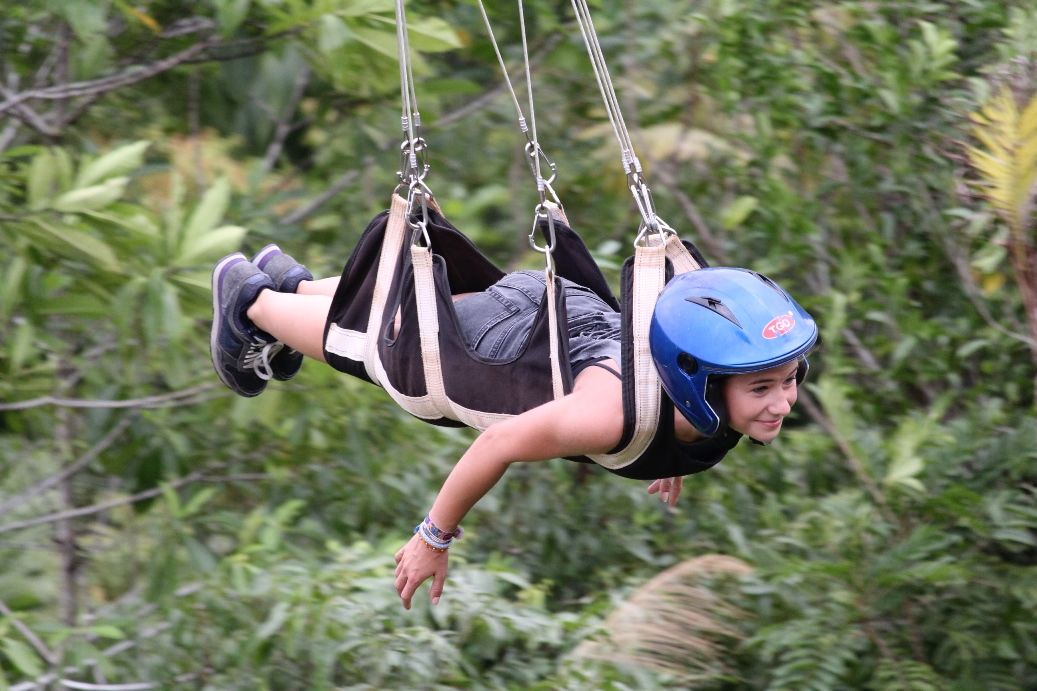
Zipline attractions continue to be an exciting feature for resorts, adventure parks, tourism destinations, and recreational facilities across the Philippines. They offer visitors an opportunity to experience outdoor adventure while enjoying elevated views and challenging activities. However, a zipline attraction must be carefully planned because its performance depends on the interaction of cables, anchors, platforms, braking equipment, rider protection, support structures, and operating procedures. Choosing the right zipline contractor supplier Philippines can help property owners address these requirements from the planning stage through installation and long-term maintenance. A reliable contractor should understand that a commercial zipline is not simply recreational equipment but a complete system requiring professional attention. The right supplier can assist with equipment selection, site evaluation, installation, testing, inspection, and technical support. For businesses investing in an adventure attraction, finding an experienced and dependable contractor is an important part of developing a facility that can operate responsibly and efficiently.
Understanding the Role of a Zipline Contractor Supplier
A zipline contractor supplier can play several important roles throughout an adventure attraction project. Unlike a supplier that only sells individual components, a contractor may assist with planning, equipment selection, installation, testing, and maintenance. This broader approach can help ensure that different parts of the system are properly coordinated. The contractor may also work with property owners, engineers, architects, construction teams, and facility managers during the development process. Understanding the responsibilities of the contractor before signing an agreement can help prevent confusion about project scope and deliverables. Owners should ask whether the proposed service includes site assessment, installation supervision, commissioning, inspection support, and post-installation assistance. A qualified zipline contractor supplier Philippines should be able to explain each stage in clear and practical terms. This makes it easier for the client to evaluate the supplier based on technical capability rather than equipment pricing alone.
Why Site Planning Is Essential for a Zipline Project
The physical characteristics of the installation site have a major influence on zipline design. A contractor needs to evaluate elevation differences, terrain, available space, access points, launch platforms, landing areas, surrounding structures, vegetation, and possible obstacles. Weather and environmental conditions should also be considered because outdoor systems can experience rain, humidity, sunlight, and wind. The intended direction and length of the zipline can influence equipment selection and system performance. A professional assessment can identify potential challenges before construction or equipment installation begins. Site planning should also consider how riders and operators will move through the attraction before, during, and after each ride. By examining these factors early, a zipline contractor supplier Philippines can help develop a system that is better suited to the actual property and intended operation.
Selecting the Appropriate Zipline Equipment
Equipment selection is another critical part of developing a dependable zipline attraction. Depending on the design, a system may require cables, trolleys, harnesses, connectors, anchors, braking components, platforms, access equipment, and structural supports. Each component should be selected according to the intended application and the overall system design. Components should also be compatible with one another and used according to manufacturer specifications. A professional contractor should be able to explain why particular equipment is being recommended for the project. Documentation should identify relevant specifications, inspection requirements, maintenance information, and replacement considerations. This information becomes especially useful when operators need to perform routine checks or replace worn components later. Choosing appropriate equipment through a qualified zipline contractor supplier Philippines can help create a more organized approach to system installation and ongoing management.
Evaluating Contractor Experience and Technical Expertise
Experience is one of the most useful factors when comparing potential zipline contractors. A company with relevant project experience is more likely to understand the practical challenges associated with site conditions, installation, equipment integration, testing, and operation. However, owners should look beyond the number of years a company has been operating. They should ask whether the contractor has worked on projects similar in size, configuration, terrain, and intended use. It is also helpful to understand who will be responsible for design coordination, installation, inspection, and commissioning. Qualified personnel with appropriate technical knowledge can contribute significantly to the quality of the project. Industry organizations such as the Association for Challenge Course Technology provide standards and professional resources covering areas such as design, installation, inspection, operation, and training for aerial adventure facilities. (acctinfo.org) When choosing a zipline contractor supplier Philippines, reviewing technical expertise and relevant experience can therefore provide a more meaningful comparison than focusing solely on price.
Understanding Zipline Safety Systems
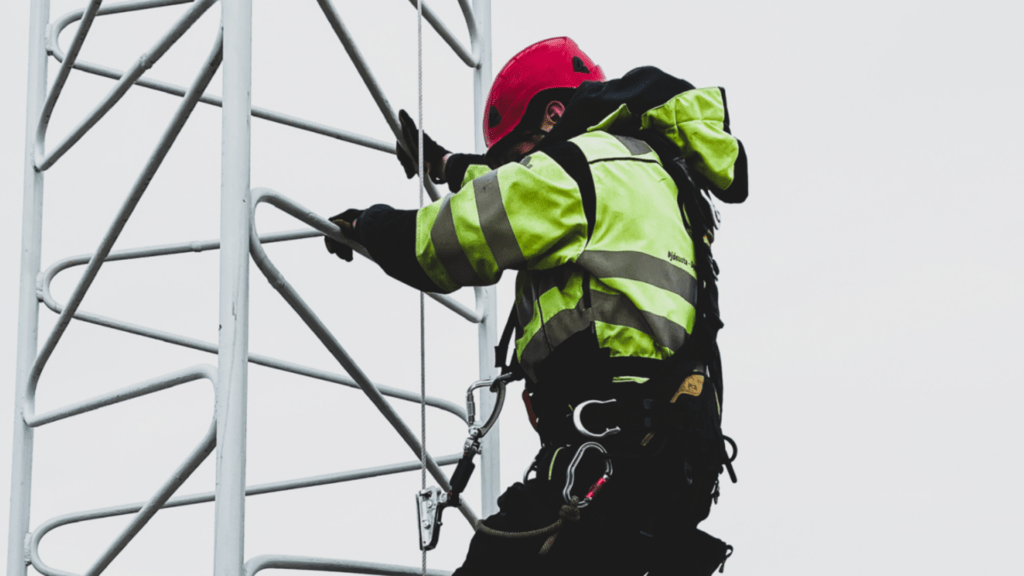
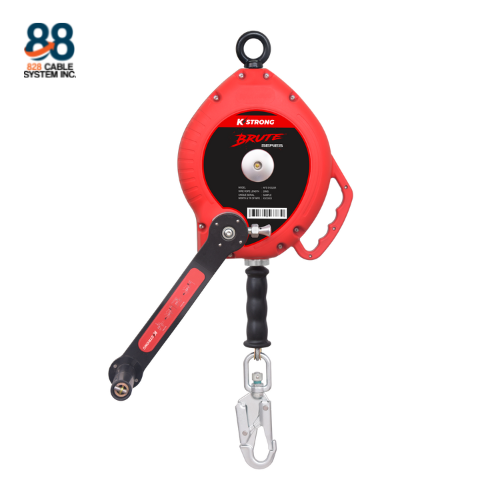
Safety should be incorporated into a zipline project from the earliest planning stages. Rider harnesses, connection systems, anchors, cables, platforms, braking systems, and other components need to function as part of the overall attraction. The braking system is particularly important because it influences how riders slow down and reach the designated landing area. The system should also account for appropriate operating procedures and emergency situations. Operators need clear procedures for equipment checks, rider preparation, communication, and emergency response. Recognized industry standards can help provide a framework for addressing many of these considerations. ASTM F2959 covers areas including the design, manufacture, construction, installation, operation, maintenance, auditing, and major modification of aerial adventure courses. (store.astm.org) A professional zipline contractor supplier Philippines should be prepared to discuss how safety considerations are incorporated into the design and installation rather than treating them as an afterthought.
The Importance of Professional Installation
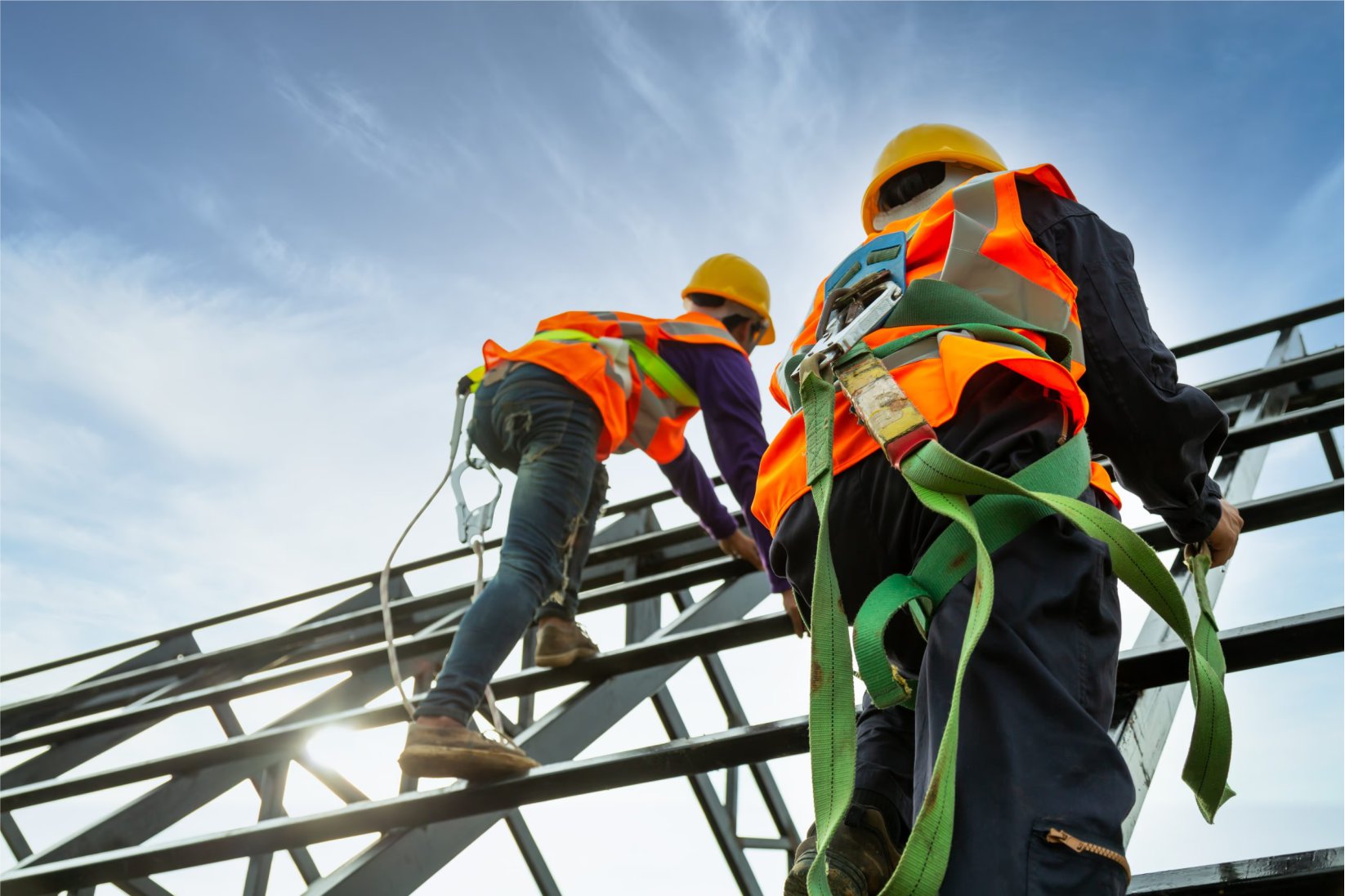
Even high-quality equipment can perform poorly if it is installed incorrectly. Professional installation should follow the project’s approved design, technical specifications, and manufacturer requirements. Installers need to understand how cables, anchors, platforms, support structures, braking equipment, and other components are positioned and secured. Installation should also be coordinated with the site’s existing structures and construction conditions. Proper documentation can help demonstrate what was installed and provide useful information for future inspection and maintenance. After installation, the completed system should undergo appropriate testing and verification before normal commercial operation begins. Project owners should ask their zipline contractor supplier Philippines what testing procedures will be performed and who will be responsible for them. Clear commissioning procedures can provide an additional layer of assurance that the completed installation corresponds with the intended design.
Inspection, Maintenance, and Long-Term Performance
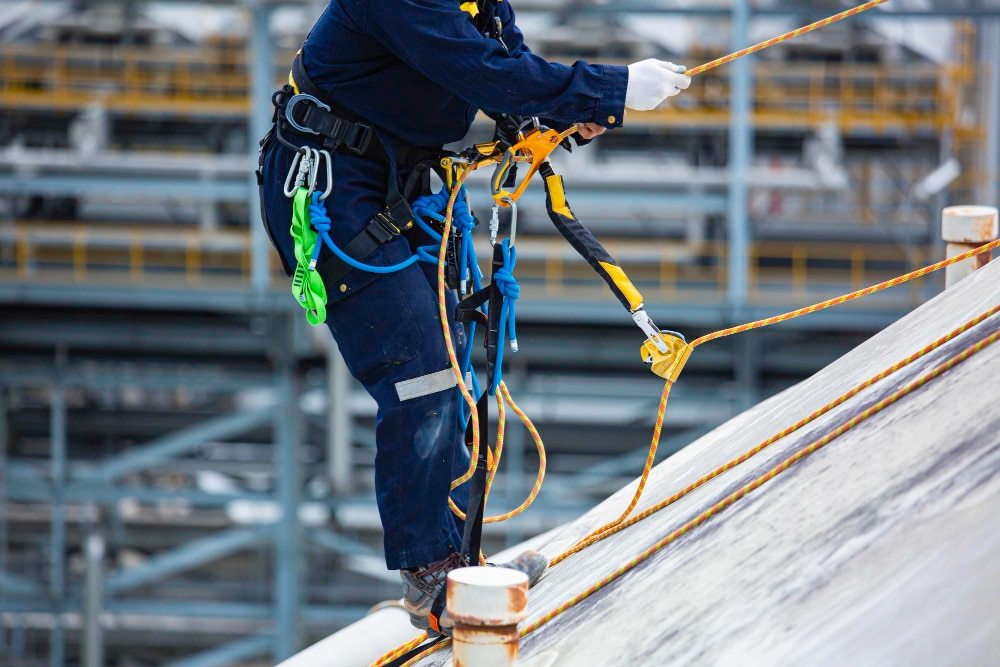
A zipline attraction requires continued attention after it opens to visitors. Outdoor exposure can gradually affect cables, metal hardware, platforms, protective equipment, and other components. Regular inspections can help identify wear, corrosion, damage, deformation, or other conditions that may require corrective action. Maintenance requirements should be based on manufacturer recommendations, applicable standards, operating conditions, and the specific characteristics of the installation. Inspection records should also be maintained to track findings and corrective work. Operators should know when equipment needs to be removed from service and evaluated by appropriately qualified personnel. ASTM F2959 includes maintenance and auditing among the areas covered by its aerial adventure course criteria. (store.astm.org) Choosing a zipline contractor supplier Philippines that offers continuing inspection and maintenance assistance can make long-term system management more practical.
Considering Philippine Environmental Conditions
Zipline installations in the Philippines may be exposed to demanding outdoor conditions. Depending on the location, systems can experience high humidity, intense sunlight, heavy rainfall, strong winds, and other environmental factors. Coastal locations may also have additional concerns related to salt exposure. These conditions should be considered when selecting materials, planning maintenance, and establishing inspection procedures. A contractor familiar with Philippine projects may be able to anticipate logistical and environmental challenges during planning. Site accessibility can also affect equipment delivery, installation schedules, inspection activities, and future maintenance. Adventure parks located in remote or elevated areas may require additional planning for transportation and personnel access. Working with a knowledgeable zipline contractor supplier Philippines can help property owners account for these practical factors before installation begins.
Reviewing Standards and Project Requirements
Recognized industry standards can provide useful guidance when planning an aerial adventure facility. ASTM F2959 establishes criteria related to the design, manufacture, installation, operation, maintenance, auditing, and major modification of aerial adventure courses. (webstore.ansi.org) ANSI/ACCT standards also address areas including design, performance, inspection, operation, and training for challenge courses and canopy or zipline tours. (acctinfo.org) These references can help project owners understand the broad range of issues that need to be considered. However, owners should also determine which Philippine laws, regulations, permits, engineering requirements, and other local obligations apply to their particular project. Manufacturer instructions should likewise be considered when specifying, installing, inspecting, and maintaining equipment. A responsible contractor should be willing to explain which technical references guide its work. This transparency can help clients make better-informed decisions when selecting a zipline contractor supplier Philippines.
Questions to Ask Potential Contractors
Asking detailed questions can make the supplier selection process more effective. Begin by asking about the contractor’s experience with commercial zipline and aerial adventure installations. Ask who will be responsible for site assessment, system design, installation, testing, inspection, and commissioning. Request information about equipment manufacturers, product specifications, warranties, maintenance instructions, and replacement parts. Ask how the braking system will be selected and tested for the proposed configuration. It is also important to ask what documentation will be provided after the project is completed. Owners should clarify whether training, periodic inspection, maintenance, troubleshooting, and technical support are available after installation. These questions can help determine whether a potential zipline contractor supplier Philippines can provide comprehensive support instead of simply delivering equipment to the site.
Benefits of Choosing a Full-Service Contractor
A full-service contractor can simplify several aspects of developing a zipline attraction. Having one experienced provider coordinate equipment supply and installation can reduce communication gaps between project stages. The contractor may also be familiar with the specifications and maintenance requirements of the equipment it installs. This can make future troubleshooting and replacement planning more straightforward. Full-service support can also be valuable when the attraction needs periodic inspection, repairs, upgrades, or modifications. Owners can benefit from having a technical partner who understands the original system configuration. This is especially useful for resorts and adventure parks that may not have employees with specialized zipline engineering or inspection knowledge. A capable zipline contractor supplier Philippines can therefore provide value beyond the initial equipment purchase by supporting the attraction throughout its operating life.
FAQ: Zipline Contractor Supplier Philippines
1. What is a zipline contractor supplier?
A zipline contractor supplier is a provider that may supply equipment while also supporting the design, installation, testing, commissioning, inspection, or maintenance of a zipline system. The exact services vary between companies, so project owners should review the scope of work carefully. A full-service provider may coordinate multiple stages of the project. This can simplify communication between equipment selection and installation. Owners should also verify the contractor’s technical experience and qualifications. Choosing a supplier should involve evaluating its overall project capabilities rather than simply comparing equipment prices.
2. Why should I hire a professional zipline contractor?
A professional contractor can help address the technical requirements involved in designing and installing an aerial adventure attraction. Zipline systems require coordinated consideration of cables, anchors, rider equipment, braking systems, structures, operating procedures, and inspections. Experienced contractors can identify site-specific challenges before installation. They can also help coordinate testing and commissioning. Professional support may make future maintenance and inspection easier as well. The contractor’s experience should be reviewed carefully before the project begins.
3. What equipment is needed for a zipline?
Equipment varies according to the system design and intended application. Common components can include zipline cables, trolleys, harnesses, connectors, anchors, braking equipment, platforms, access systems, and structural supports. The equipment must be appropriate for the specific installation. Components should also be compatible and used according to manufacturer specifications. A qualified contractor can help determine which equipment is suitable for the project. Proper documentation should be maintained for future inspections and maintenance.
4. Is site assessment necessary before installing a zipline?
Yes, site assessment is an important planning step. The assessment can examine terrain, elevation, available space, obstacles, launch areas, landing zones, structures, access routes, and environmental conditions. These factors can influence the design and equipment requirements. The assessment may also identify potential construction or logistical challenges. A site-specific approach is preferable to installing a generic system without considering the property. Professional assessment can help address issues before construction begins.
5. What standards are relevant to zipline systems?
ASTM F2959 is an important reference for aerial adventure courses and addresses areas such as design, manufacture, installation, operation, maintenance, auditing, and major modification. (store.astm.org) ANSI/ACCT standards provide additional industry guidance concerning areas such as design, performance, inspection, operation, and training for challenge courses and canopy or zipline tours. (acctinfo.org) The appropriate standards for a particular project should be determined based on its design and operating circumstances. Applicable Philippine requirements should also be investigated. Manufacturer instructions remain important for individual products and systems.
6. How can I compare different zipline suppliers?
Start by comparing relevant project experience and technical capabilities. Review the proposed equipment and ask about manufacturers, specifications, warranties, and maintenance requirements. Ask what services are included in the quotation, including installation, testing, inspection, and commissioning. Determine whether the contractor provides after-sales support and replacement components. Ask about the qualifications of personnel responsible for the project. Finally, compare the suppliers based on overall value, technical support, and long-term service rather than equipment price alone.
7. Why is maintenance important for a zipline?
Maintenance helps identify and address equipment deterioration before it becomes a larger operational concern. Outdoor systems can be affected by weather, humidity, sunlight, corrosion, repeated use, and other environmental or operational factors. Regular inspections can identify conditions that require repair, adjustment, replacement, or professional evaluation. Maintenance records can also help operators track the history of the system. The specific maintenance program should follow manufacturer requirements, applicable standards, operating conditions, and professional recommendations. Ongoing support from a qualified zipline contractor supplier Philippines can make these responsibilities easier for facility operators to manage.
Takeaway
Choosing the right zipline contractor supplier Philippines is an important decision for any business planning an adventure park, resort attraction, or recreational facility. The best provider should be capable of addressing more than equipment supply by offering appropriate technical guidance, installation support, testing, inspection, and long-term assistance. Site conditions, equipment compatibility, braking systems, structural requirements, environmental exposure, and operational procedures all deserve careful attention. Recognized industry references such as ASTM F2959 and ANSI/ACCT can provide useful benchmarks for understanding the many aspects involved in aerial adventure facilities. (store.astm.org) Project owners should also investigate applicable Philippine requirements and ensure that qualified professionals are involved where appropriate. By evaluating experience, technical capabilities, equipment quality, documentation, installation practices, and after-sales support, businesses can make a more informed contractor selection. A carefully planned and professionally managed zipline can become a compelling attraction while maintaining a strong focus on responsible operation and long-term performance.