Protecting Your Roof in the Philippine Climate
Your roof is constantly exposed to outdoor conditions, making it one of the most important parts of your property’s defense against weather damage. In the Philippines, roofing systems must deal with intense sunlight, frequent rainfall, high humidity, and strong winds throughout the year. These conditions can gradually affect roofing materials even when there are no obvious signs of damage at first. Small cracks, loose fasteners, deteriorating sealants, and blocked drainage points can eventually develop into expensive problems. Regular Roof Maintenance philippines practices can help property owners identify these concerns before they affect ceilings, walls, insulation, electrical components, or other building areas. Preventive maintenance also allows owners to plan necessary repairs instead of dealing with unexpected roofing emergencies. A well-maintained roof can provide more dependable protection while helping extend the useful life of the overall roofing system.
Understanding Common Roof Problems
Roofing problems can develop for many reasons, and recognizing early warning signs can make maintenance more effective. One of the most common issues is water leakage, which may result from damaged roofing materials, deteriorated flashing, failed sealants, or drainage problems. Metal roofing can also experience rust and corrosion when protective coatings become damaged or moisture remains on exposed surfaces. Loose screws, bolts, or other fasteners can create openings that allow rainwater to enter the roofing assembly. Roofing panels, tiles, shingles, or membranes may also become cracked, displaced, or damaged because of age and severe weather. Gutters can become filled with leaves, branches, dirt, and other debris, causing rainwater to overflow or accumulate in unwanted areas. Mold and algae growth may occur in areas where moisture remains for extended periods. Regular inspections allow property owners to identify these conditions and arrange appropriate maintenance before they become more difficult to address.
How Heat and Rain Affect Roofing Systems
The Philippine climate presents several challenges that can gradually reduce roofing performance. Strong sunlight exposes roofing materials to ultraviolet radiation, which may contribute to fading, surface deterioration, and weakening of certain protective coatings. Heavy rainfall can place significant demands on gutters, downspouts, drainage channels, seams, and roof penetrations. When drainage systems are blocked, water may accumulate on or around the roof and increase the risk of leaks and deterioration. High humidity can encourage mold, algae, and corrosion, especially when moisture remains trapped around vulnerable components. Sudden changes between wet and dry conditions may also affect sealants and joints over time. During typhoons, high winds and airborne debris can cause sudden physical damage that may not always be immediately visible from inside the building. Understanding these environmental factors helps property owners create a maintenance routine suited to actual Philippine weather conditions.
Inspecting the Roof Before Problems Become Serious
A roof inspection should focus on more than simply looking for visible holes or major damage. Property owners and maintenance teams should check for signs of cracked, loose, bent, missing, or deteriorated roofing components. Areas surrounding vents, skylights, roof edges, drainage points, and other penetrations deserve particular attention because they can become vulnerable to water intrusion. Flashing should be examined for gaps, corrosion, separation, or other signs of deterioration. Metal roofing should be checked for rust and areas where protective coatings may have been damaged. Gutters and downspouts should also be inspected to determine whether they can effectively carry rainwater away from the structure. Inside the building, water stains, peeling paint, damp materials, and unusual odors may provide clues that moisture is entering through the roof. Keeping regular inspection records can help property owners track changes over time and determine when professional maintenance or repair may be necessary.
Keeping Gutters and Drainage Systems Clear
Proper drainage is an essential part of effective roof maintenance, particularly in a country that experiences frequent and sometimes intense rainfall. Gutters and downspouts collect rainwater and direct it away from the roof and building structure. When leaves, branches, dirt, and other debris block these components, water may overflow onto walls, ceilings, foundations, or other areas that are not designed to handle continuous moisture exposure. Standing water may also increase the risk of deterioration in certain roofing materials and surrounding components. Property owners should inspect drainage systems regularly and remove accumulated debris using safe procedures. The cleaning schedule may need to become more frequent during periods when trees shed leaves or after heavy storms. Large or difficult-to-access drainage systems may require trained maintenance personnel and appropriate equipment. Keeping water moving efficiently away from the roof can significantly support the long-term condition of the building envelope.
Preventing Roof Leaks and Water Intrusion
Roof leaks often begin as small defects that become progressively worse when they are ignored. A minor opening around a fastener or roof penetration may allow water to enter during heavy rain. Water can then travel along roofing layers, insulation, framing, or other building components before appearing as a visible ceiling stain. This means that the location of an interior water mark may not always identify the actual source of the leak. Property owners should pay attention to damp areas, peeling paint, stained ceilings, musty odors, and recurring moisture after rainfall. Flashing, joints, seams, penetrations, and deteriorated sealants should be carefully assessed when investigating suspected leaks. Temporary patching may sometimes reduce visible water entry but may not resolve the underlying cause. Professional leak assessment can help identify the source and determine whether a specific component needs repair, replacement, or additional protection.
Managing Rust and Corrosion on Metal Roofs
Metal roofs are widely used because of their strength and versatility, but they still require appropriate maintenance to remain in good condition. Corrosion can develop when moisture reaches exposed metal surfaces, particularly where protective coatings have been scratched, damaged, or worn away. High humidity can create additional challenges, while properties near coastal areas may experience greater exposure to salt-laden air. Rust should be addressed as soon as practical because untreated corrosion can gradually weaken affected components. Fasteners, seams, edges, joints, and areas around penetrations should receive careful attention during inspections. Protective coatings may also need to be evaluated to determine whether they continue to provide adequate protection. Maintenance materials should be compatible with the existing roofing system to avoid creating adhesion or chemical compatibility problems. Regular monitoring and timely treatment can help extend the useful service life of metal roofing and reduce the likelihood of extensive corrosion-related repairs.
Preparing for Typhoons and Severe Weather
Severe weather preparation should be an important part of roof maintenance in the Philippines. Strong winds can place stress on roofing panels, fasteners, flashing, roof edges, and other exposed components. Flying debris may dent, puncture, crack, or scratch roofing materials and protective coatings. Before periods of expected severe weather, property owners should make sure gutters and drainage systems are clear and accessible. Visible loose components and known roofing defects should be assessed and addressed when practical. After a typhoon, the roof should be checked for signs of displacement, punctures, damaged flashing, broken components, and other possible problems. Workers should never climb onto a wet, unstable, or visibly damaged roof without appropriate training, access equipment, and fall protection. Early inspection after severe weather can help identify damage before subsequent rainfall creates additional problems.
Choosing Maintenance Methods for Different Roof Types
Different roofing materials require different approaches to inspection, cleaning, repair, and preventive care. Metal roofs may require regular corrosion monitoring and attention to protective coatings, fasteners, and joints. Tile roofs may require checks for cracked, broken, or displaced tiles and inspection of the areas underneath them. Membrane roofing systems require careful attention to seams, penetrations, drainage points, and surface conditions. Commercial and industrial roofing systems may also involve larger drainage networks and more complex access requirements. Property owners should consider the roof’s age, material, installation quality, previous repairs, and exposure to environmental conditions when developing a maintenance plan. Using inappropriate cleaning products, tools, or repair materials can potentially damage a roofing system instead of improving it. Professional roofing specialists can help determine appropriate maintenance methods based on the actual design and condition of the roof.
Making Roof Maintenance Safer
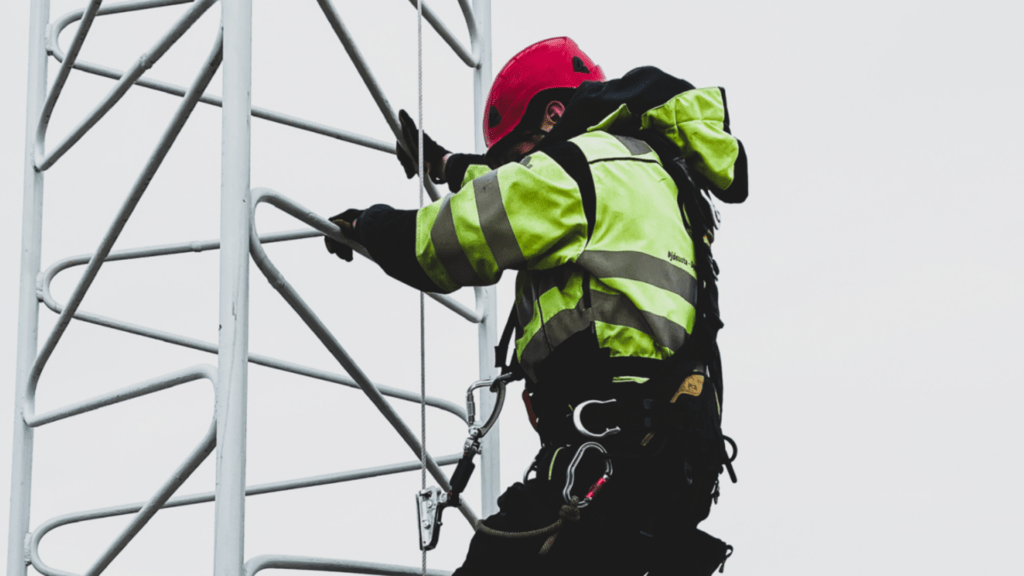
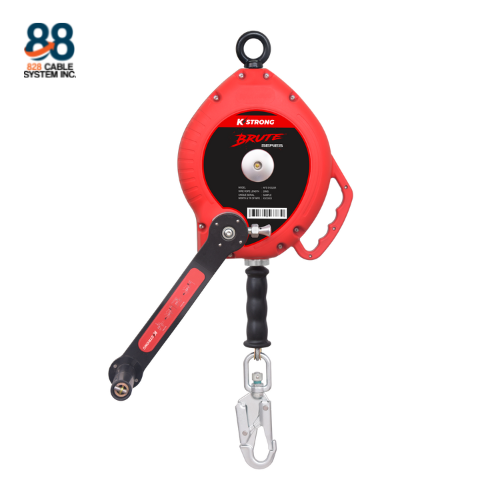
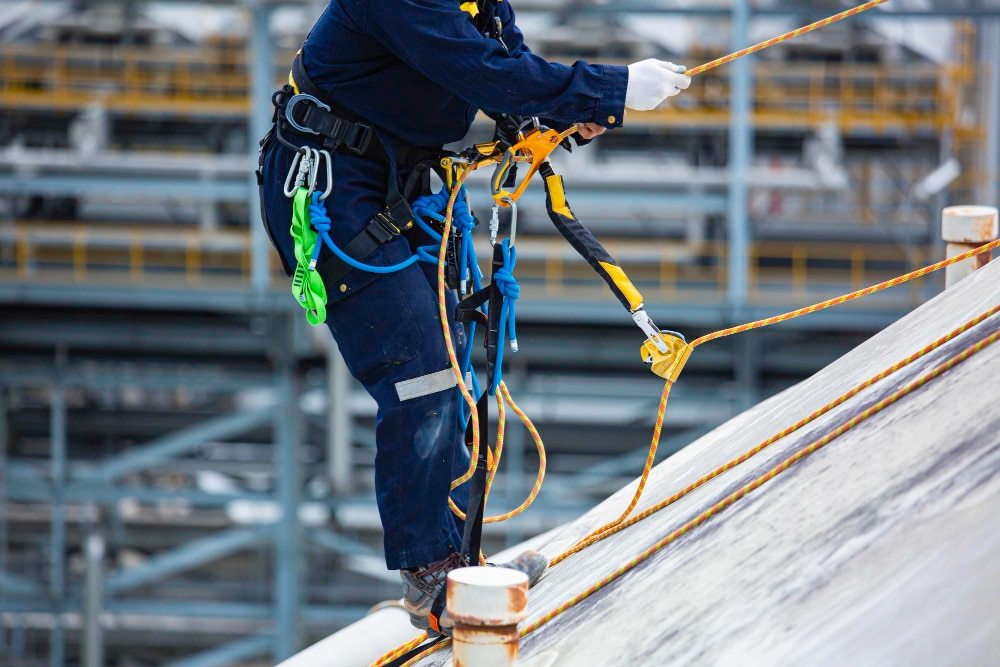
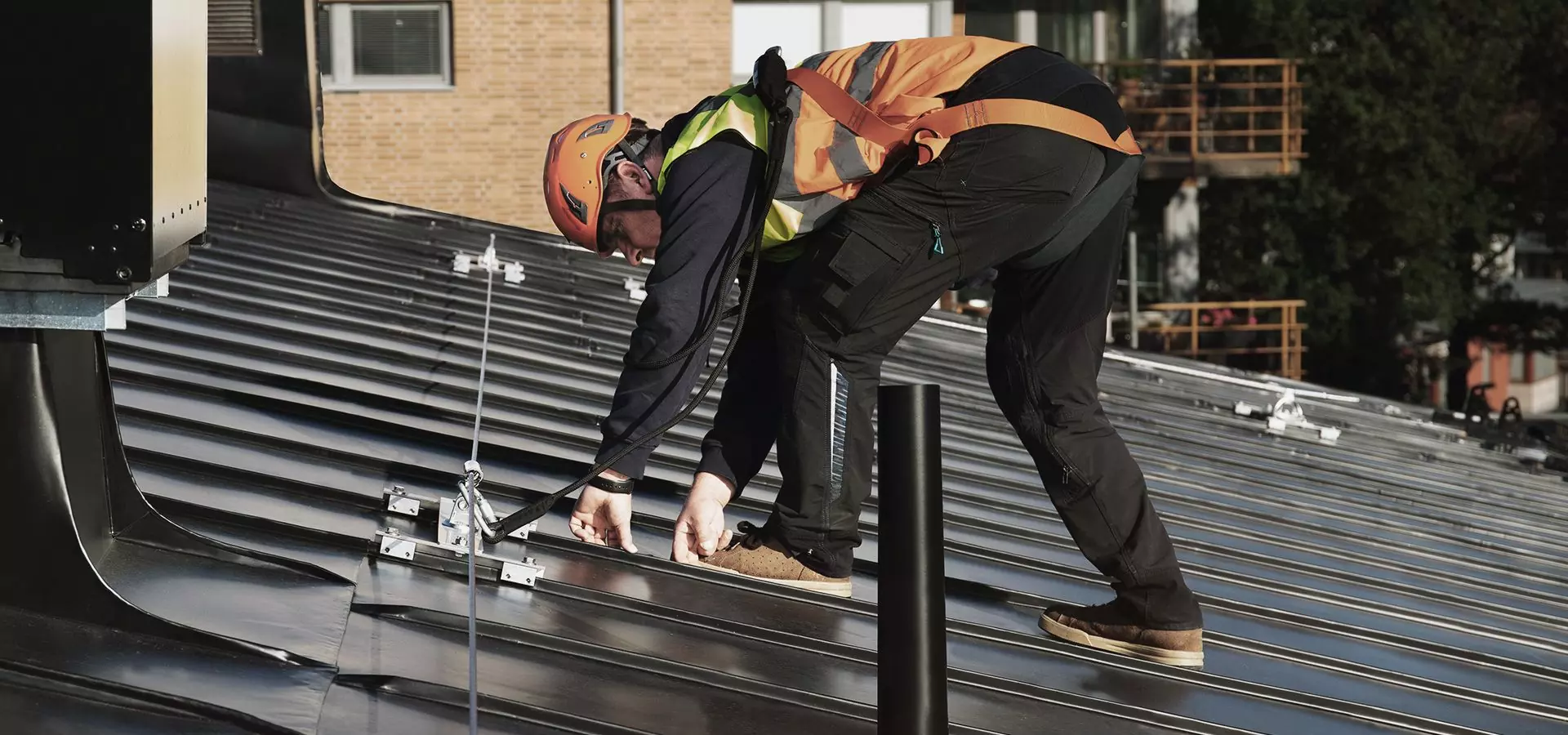
Roof maintenance should always account for the risks associated with working at height. Wet roofing surfaces can become slippery, while steep slopes and fragile materials can create additional fall hazards. Damaged roofs may contain weak areas that are not obvious from the ground or from a quick visual inspection. Workers should use appropriate personal protective equipment and fall protection systems when required by the work environment. Safe access equipment should also be selected based on the height, design, and condition of the building. Maintenance should be postponed when weather conditions create unnecessary risks, particularly during heavy rain or strong winds. Workers performing specialized roofing tasks should have appropriate training and understand the hazards associated with elevated work. Prioritizing safety helps protect maintenance personnel while reducing the possibility of accidental damage to the property.
Knowing When Professional Roof Repair Is Needed
Some roofing problems can be addressed through routine maintenance, while others require professional repair. Repeated leaks may indicate that a roofing system has developed a more significant problem that cannot be solved through basic cleaning or minor patching. Extensive rust, damaged roofing panels, deteriorated membranes, and widespread sealant failure may also require specialized attention. The age of the roof should be considered because older systems may have a shorter remaining service life. Property owners should also evaluate whether repeated repairs are becoming more frequent or expensive. A professional assessment can help determine whether targeted repairs, partial rehabilitation, or broader replacement is the most appropriate option. Replacing a roof prematurely can create unnecessary expenses, but repeatedly repairing a severely deteriorated system may also be inefficient. Evaluating the roof’s current condition and expected future performance can help property owners make more practical maintenance decisions.
Developing a Long-Term Roof Care Program
A long-term roof maintenance program provides a structured approach to protecting a building from avoidable roofing problems. The program should document the roof type, installation date when available, previous repair work, inspection findings, and known areas of concern. Regular inspection dates can then be scheduled around the property’s specific needs and local weather conditions. Additional checks should be considered following major rainfall, typhoons, or other severe weather events. Property owners should also budget for routine cleaning, minor repairs, inspections, and eventual major roofing work when required. Maintaining records makes it easier to recognize recurring problems and determine whether a particular roofing component is deteriorating faster than expected. Small defects should be addressed promptly rather than being allowed to develop into larger failures. A consistent maintenance program can support better roof performance while helping property owners plan expenses and reduce unexpected disruptions.
FAQ: Roof Maintenance Philippines
How often should roof maintenance be performed in the Philippines?
The appropriate maintenance frequency depends on the roof type, age, location, building use, and exposure to weather. Properties in areas with heavy rainfall or frequent storms may require more frequent inspections. Older roofing systems may also benefit from closer monitoring than recently installed systems. Gutters and drainage areas may need attention more frequently because they can collect leaves and debris between inspections. Additional checks are useful after major storms or typhoons. Professional roofing specialists can recommend an inspection schedule based on the property’s actual condition. A consistent maintenance routine is generally more effective than waiting for a leak or visible failure to appear.
What are the most common signs of roof damage?
Visible signs may include rust, cracked materials, missing components, loose fasteners, damaged flashing, and deteriorated sealants. Interior signs can include ceiling stains, peeling paint, damp insulation, water marks, and musty odors. Gutters that overflow during rainfall may also indicate a drainage problem. Recurring moisture in the same area should receive particular attention. Some roof damage may remain hidden until heavy rain exposes the affected area. Property owners should not assume that a small visible problem will remain small indefinitely. Early inspection can help identify the source and determine an appropriate maintenance response.
How does heavy rain affect a roof?
Heavy rainfall can expose weak points in roofing materials, seams, flashing, penetrations, and drainage systems. Blocked gutters can cause water to overflow and reach areas that are not designed for continuous water exposure. Standing water may increase stress on some roofing systems and surrounding components. Heavy rain can also reveal small openings that were not noticeable during dry conditions. Repeated rainfall can make deteriorated sealants and damaged materials progressively more problematic. Regular drainage maintenance can help reduce some of these risks. Roof inspections following periods of heavy rain can also help property owners identify developing issues.
Should a roof be inspected after a typhoon?
Yes, an inspection after a significant typhoon can help identify damage that may not be immediately obvious. Strong winds can loosen fasteners, shift panels, damage flashing, and affect roof edges. Flying debris can also puncture or scratch roofing surfaces. Some damage may only become apparent during the next heavy rainfall. Property owners should first inspect the roof from a safe location rather than immediately climbing onto a potentially unstable surface. Professional roofing personnel should handle inspections that require elevated access or involve suspected structural damage. Prompt attention can help reduce the possibility of additional water intrusion and deterioration.
Can regular maintenance extend roof life?
Regular maintenance can help preserve roofing performance by identifying and addressing problems before they become extensive. Cleaning drainage systems can reduce water accumulation and overflow problems. Repairing damaged components can prevent small openings from developing into larger sources of water intrusion. Monitoring corrosion can also help protect metal roofing from progressive deterioration. Proper maintenance does not make a roof last indefinitely because every roofing material has a finite service life. However, consistent care can help property owners get better performance from an appropriately maintained system. Professional inspections can help determine which maintenance activities are most beneficial for a specific roof.
Is roof maintenance safe to do without professional help?
Some basic observations, such as checking visible gutters from a safe ground-level position, may be performed by property owners. However, climbing onto a roof can create serious fall risks, particularly when surfaces are wet, steep, fragile, or damaged. Roof repairs also require knowledge of appropriate materials, access procedures, and safety equipment. Workers may need fall protection systems when performing elevated tasks. Attempting complex work without proper training can increase the risk of injury and accidental property damage. Professional assistance is especially advisable for large, steep, multi-story, or difficult-to-access roofs. Safety should remain a primary consideration whenever roof maintenance involves elevated work.
When should a roof be repaired or replaced?
The decision depends on the extent of damage, roof age, material condition, repair history, and expected remaining service life. Isolated defects on an otherwise healthy roof may be suitable for targeted repair. Widespread leaks, severe corrosion, extensive material deterioration, or structural problems may indicate a need for more extensive work. Frequent repairs may also suggest that the roof is approaching the end of its useful service life. A professional assessment can help determine the condition of the system and identify practical options. Property owners should consider both immediate repair costs and longer-term maintenance requirements. Making the decision based on the actual condition of the roof can help avoid unnecessary expenses while maintaining reliable building protection.
Takeaway
A dependable roof provides essential protection against the challenging weather conditions experienced throughout the Philippines. Strong sunlight, heavy rainfall, high humidity, and typhoons can gradually or suddenly affect roofing materials and components. Regular Roof Maintenance philippines practices can help property owners identify leaks, corrosion, drainage problems, damaged materials, and other concerns before they become more expensive to address. Keeping gutters clear, inspecting vulnerable areas, monitoring roofing materials, and responding quickly after severe weather are practical steps that can support roof performance. Professional inspections are particularly valuable when a roof is old, complex, difficult to access, or showing signs of repeated problems. Safe work practices should always be followed whenever maintenance involves elevated surfaces. With consistent care and timely repairs, property owners can protect their buildings, reduce avoidable damage, and support a longer-lasting roofing system.