Why Aluminum Walkways Matter in Modern Facilities
Safe and reliable access is essential in facilities where workers regularly inspect, maintain, repair, or service elevated equipment. An aluminum walkway provides a designated path that can make movement around rooftops, machinery, platforms, and maintenance areas more controlled and organized. Instead of requiring workers to navigate irregular surfaces or areas that were not designed for foot traffic, a properly planned walkway establishes a clear route. This can be especially valuable for facilities with frequent maintenance activities because workers may need repeated access to the same locations. Aluminum is also a practical material for many walkway applications because it combines relatively low weight with corrosion resistance and durability. When selecting an aluminum walkway supplier Philippines, facility owners should consider more than the appearance or initial price of the system. The supplier should understand the site’s access requirements and provide a walkway configuration that supports safe movement, practical maintenance, and long-term performance.
Key Advantages of Using Aluminum Walkway Systems
Aluminum walkway systems can offer several advantages for commercial, industrial, and building maintenance applications. One important characteristic is aluminum’s relatively lightweight construction, which can make components easier to transport, handle, and install. This can be useful when walkway sections need to be moved to elevated locations or installed around existing building equipment. Aluminum also provides resistance to corrosion, making it suitable for many environments where exposure to moisture is a concern. Depending on the design, aluminum walkways can use grating or patterned surfaces that provide useful traction for workers. Open aluminum grating may also allow rainwater and other liquids to drain through the walking surface instead of accumulating on top. These characteristics can make aluminum an attractive option for rooftop and outdoor access routes. However, the appropriate material, thickness, profile, and structural configuration should always be determined according to the specific project requirements.
Where Aluminum Walkways Can Be Used
The versatility of aluminum walkway systems allows them to be used across many different facilities and work environments. Rooftop access is one of the most common applications because maintenance personnel may need to reach HVAC units, solar equipment, ventilation systems, roof drains, and other installations. Industrial plants can use walkways to provide controlled access around machinery, processing equipment, tanks, pipes, and production systems. Factories and warehouses may also require elevated access routes for inspection and servicing of equipment. Commercial buildings can use dedicated walkways to make routine building maintenance more manageable. Utility and infrastructure facilities may require corrosion-resistant access systems in areas exposed to water, humidity, or other environmental conditions. Specialized walkway systems can also be designed to connect different access points, platforms, stairs, and maintenance zones. By working with an experienced aluminum walkway supplier Philippines, businesses can determine which configuration best suits their particular facility.
Choosing the Right Walkway Surface
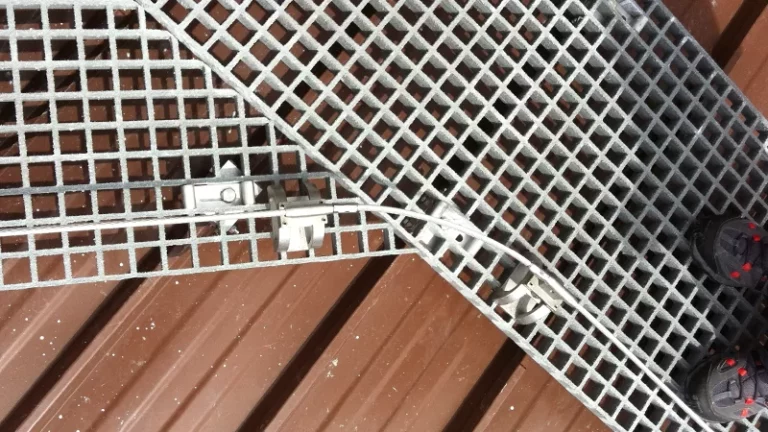
The walking surface is one of the most important elements to evaluate when purchasing an aluminum walkway. Workers may encounter rain, dust, oil, moisture, dirt, or other substances that can affect traction during maintenance activities. A suitable surface should therefore provide appropriate slip resistance for the environment in which it will be installed. Aluminum grating is an option that can provide an open walking surface while allowing water and debris to pass through. Serrated grating profiles may provide additional traction for applications where slip resistance is particularly important. Other projects may benefit from aluminum checkered plate when a more continuous surface is required. The choice between grating and plate should be based on drainage, traffic, load, environmental exposure, and maintenance requirements. A knowledgeable supplier should explain the available flooring options and help customers choose a surface appropriate for the intended application.
Safety Features That Should Be Considered
A walkway should be designed as part of a broader workplace safety strategy rather than simply being treated as a metal path. Guardrails can help protect workers from falling from exposed edges where appropriate. Handrails can provide additional support when workers are moving along elevated or inclined sections. Toe boards may also be necessary in certain elevated applications to help prevent tools or other objects from falling to lower levels. The walkway itself should have appropriate structural support and secure attachment points. The walking surface should also be selected according to the conditions workers are likely to encounter. Philippine occupational safety requirements address protective measures for elevated walks, runways, working platforms, and similar areas where workers may be exposed to hazards. Employers and project teams should evaluate applicable requirements with qualified safety and engineering professionals. A reputable aluminum walkway supplier Philippines should be able to discuss how the walkway’s physical design works together with the required safety controls.
Aluminum Walkways for Rooftop Maintenance
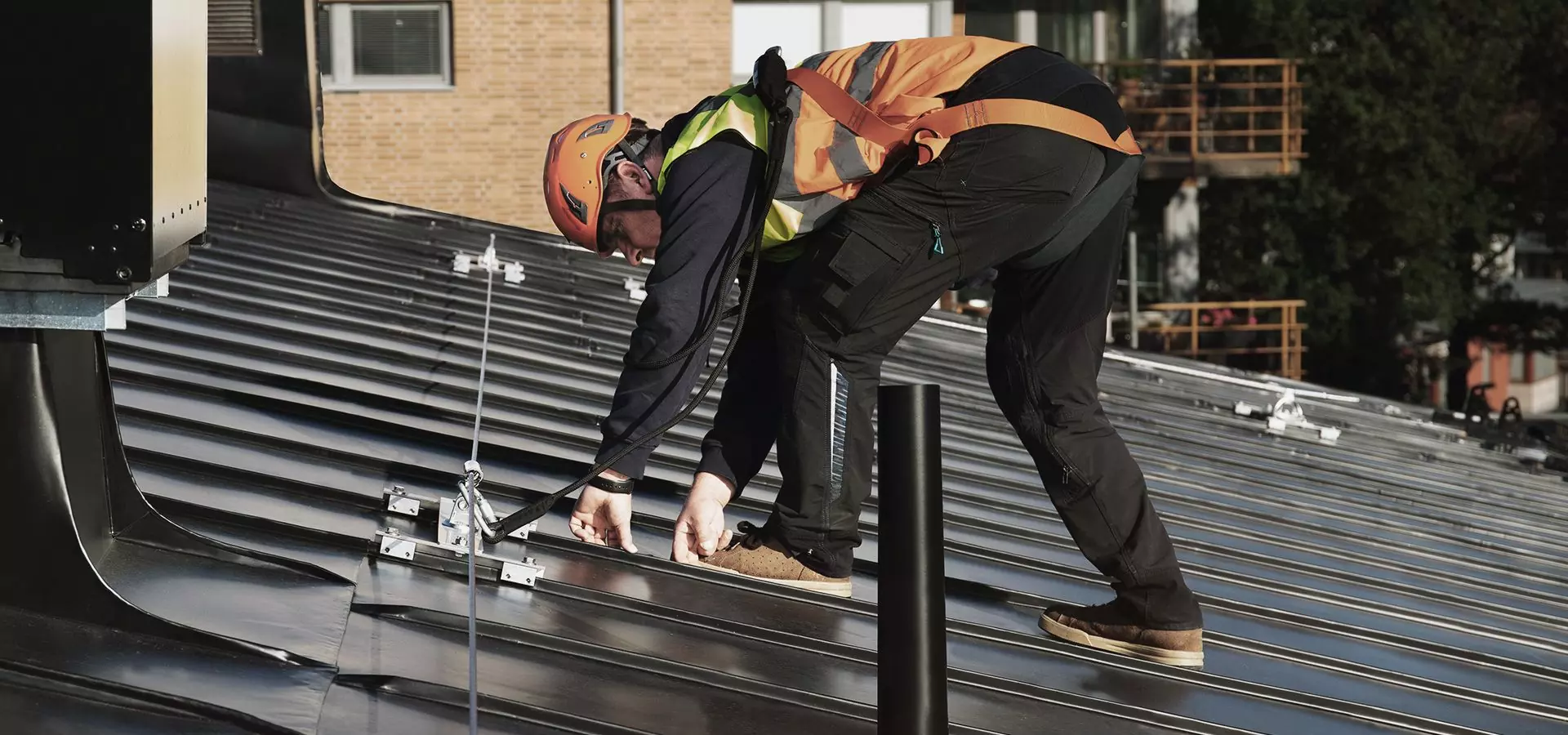
Rooftop maintenance can present unique challenges because roofs are not always designed to function as regular pedestrian pathways. Workers may need to cross areas containing fragile materials, roof equipment, drainage systems, cables, ducts, or other obstacles. Installing a dedicated walkway can establish a safer route between frequently accessed maintenance points. An aluminum roof walkway can also help reduce unnecessary foot traffic across roof surfaces that may be vulnerable to damage. The system can be designed with appropriate mounting arrangements depending on the roof type and structural conditions. Some rooftop walkway solutions can incorporate guardrails, access platforms, stairs, or other components to create a more comprehensive access arrangement. The supplier should assess the roof configuration before recommending a specific mounting system. Proper planning is particularly important because an unsuitable installation can create structural, waterproofing, or worker-safety problems.
Customization Makes Walkway Systems More Practical
Every facility has different dimensions, equipment arrangements, access points, and structural conditions. A standard walkway may not always provide the best solution when workers need to move around machinery or navigate complex rooftop layouts. Custom aluminum walkway systems can be designed around existing structures and operational requirements. Customization may include walkway width, length, elevation, flooring type, access points, handrails, guardrails, stairs, ramps, and support structures. A supplier may also be able to create sections that connect with existing ladders or maintenance platforms. This flexibility can be especially useful in industrial facilities where equipment layouts leave limited available space. Before fabrication begins, accurate site measurements and relevant structural information should be provided to the supplier. A well-designed customized system can provide a more efficient access route while reducing unnecessary modifications during installation.
How to Evaluate an Aluminum Walkway Supplier Philippines
Selecting a supplier requires careful attention to technical capability, product quality, and service support. Start by checking whether the supplier has experience with industrial, commercial, rooftop, or maintenance access systems. Ask for information about aluminum specifications, walkway dimensions, load ratings, surface options, mounting systems, and safety accessories. A capable supplier should be able to explain why a particular configuration is appropriate for the intended location. It is also useful to determine whether the company offers site assessment, design assistance, fabrication, delivery, and installation. Technical drawings can be particularly valuable for larger or customized projects because they allow the project team to review the proposed arrangement before fabrication. Buyers should also ask about warranty coverage, maintenance requirements, replacement components, and after-sales support. Choosing an aluminum walkway supplier Philippines based on complete technical and service capabilities can provide greater value than selecting a supplier based solely on the lowest quotation.
Important Questions Before Ordering an Aluminum Walkway
Asking the right questions before purchasing can prevent misunderstandings and unnecessary project expenses. Buyers should first ask what aluminum grade, thickness, and structural components are recommended for the application. The supplier should also explain the walkway’s intended load capacity and the factors considered when establishing that capacity. Customers should ask what type of walking surface is recommended for the site’s expected weather and operating conditions. It is also important to understand how the system will be attached to the existing roof or supporting structure. If the walkway is elevated, buyers should ask which guardrails, handrails, toe boards, or other protective components are recommended. Installation requirements should also be clarified, including measurements, structural preparation, access limitations, and required equipment. Finally, ask whether the supplier provides technical documentation and post-installation support.
Maintenance Requirements for Aluminum Walkways
Even durable walkway systems require regular inspection and maintenance to remain dependable. Facility managers should establish an inspection schedule based on how frequently the walkway is used and the conditions in which it operates. Walking surfaces should be checked for accumulated dirt, oil, debris, corrosion-related issues, loose components, or damage. Fasteners and mounting points should also be inspected to identify signs of loosening or deterioration. Guardrails and handrails should be checked for stability and visible damage. Drainage paths should remain clear so that water does not accumulate unnecessarily on or around the walkway. Any damaged component should be evaluated and repaired or replaced by an appropriately qualified person. Regular maintenance can help extend the useful life of the walkway while supporting safer conditions for workers who rely on it.
Integrating Walkways With Other Access Systems
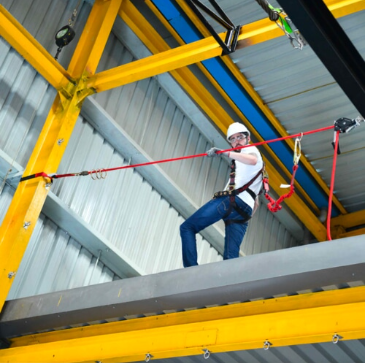
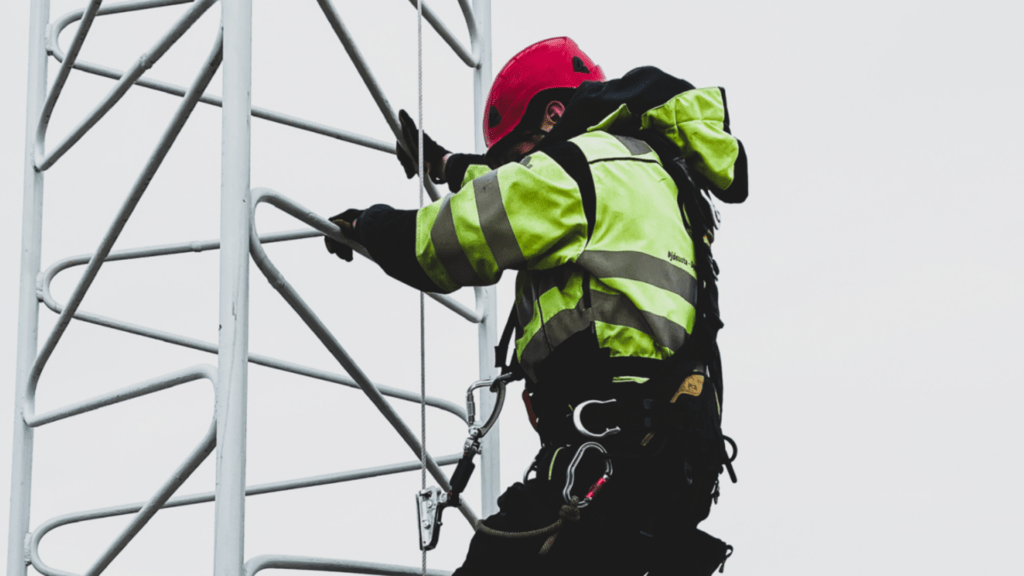
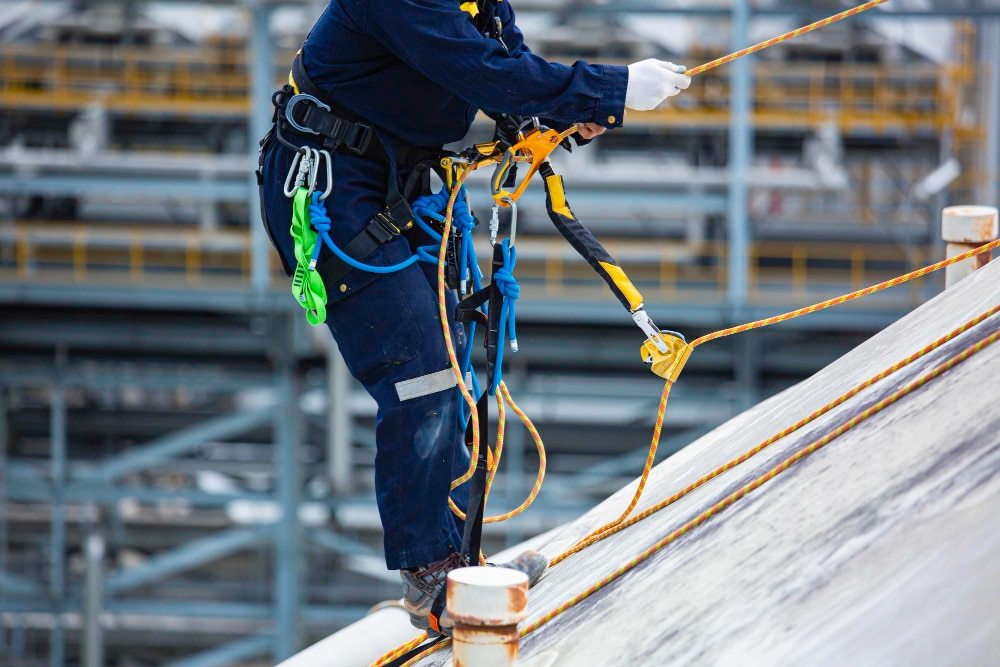
An aluminum walkway can become more useful when it is properly integrated with other access and fall-protection equipment. For example, a rooftop walkway may connect to a fixed ladder that provides access from a lower level. Guardrails can protect exposed edges along the walkway, while stairs can provide convenient transitions between different elevations. In areas where workers remain exposed to fall hazards, additional fall-protection measures may also be necessary based on the site’s risk assessment. Anchor points, lifelines, and personal fall-arrest equipment may form part of a broader access strategy when appropriate. The specific combination depends on the facility’s layout, hazards, work activities, and applicable safety requirements. A supplier experienced in multiple access-system components may be better positioned to coordinate these elements. This integrated approach can create a more logical and efficient route for maintenance personnel.
Making a Smart Investment in an Aluminum Walkway
The purchase of an aluminum walkway should be viewed as a long-term facility investment rather than simply another construction expense. A well-designed system can support routine maintenance by giving workers a defined route to frequently accessed areas. It can also help reduce unnecessary movement across sensitive roof surfaces or around operational equipment. Material durability, appropriate design, secure mounting, and regular maintenance can all contribute to the system’s useful service life. Buyers should compare quotations based on specifications and included services rather than looking only at the total price. A lower-cost product may not provide the same material quality, engineering support, customization, or installation assistance as a professionally designed system. Working with an experienced aluminum walkway supplier Philippines can help project teams make decisions based on actual site requirements. The goal should be to select a walkway that balances safety, accessibility, durability, practicality, and long-term value.
FAQ
1. What is an aluminum walkway used for?
An aluminum walkway provides a dedicated route for workers who need to access rooftops, machinery, equipment, platforms, or other maintenance areas. It can help organize pedestrian movement in locations where ordinary walking surfaces are unsuitable. Walkways can be used in commercial buildings, factories, warehouses, industrial facilities, and utility sites. They may also provide access between equipment areas and designated maintenance points. Depending on the design, they can include grating, handrails, guardrails, stairs, and other components. The exact configuration depends on the location and intended use. A qualified supplier can recommend a system based on the facility’s requirements.
2. Why is aluminum suitable for walkway systems?
Aluminum offers a combination of relatively low weight, corrosion resistance, and durability that can make it suitable for many walkway applications. Its lower weight can simplify transportation and handling during installation. Its corrosion resistance can also be beneficial in humid or outdoor environments. Aluminum can be fabricated into different grating, plate, railing, and structural configurations. This flexibility allows suppliers to create systems for different access requirements. However, material selection should always account for structural loads and environmental conditions. Professional advice is recommended when selecting aluminum components for elevated or industrial applications.
3. Are aluminum walkways suitable for rooftops?
Yes, aluminum walkways can be suitable for many rooftop applications. They can provide designated paths for maintenance personnel who need to reach HVAC systems, solar equipment, ventilation equipment, drainage areas, and other roof installations. A walkway can also reduce unnecessary foot traffic over areas of the roof that are not intended for regular pedestrian use. The mounting method must be appropriate for the specific roof construction. Drainage, weather exposure, roof condition, and structural capacity should also be evaluated. Some systems can be configured with guardrails and other access components. A professional site assessment can help determine the appropriate rooftop walkway design.
4. Can aluminum walkway systems be customized?
Yes, customization is one of the advantages of working with a specialized supplier. Walkways can be designed around specific dimensions, equipment layouts, access requirements, and structural conditions. Custom features can include different walkway widths, lengths, flooring profiles, stairs, ramps, handrails, and guardrails. Mounting systems can also vary depending on the supporting surface. This flexibility can be valuable for industrial and commercial facilities with complicated layouts. Accurate site measurements are essential for producing a suitable custom system. Customers should discuss their complete requirements with the supplier before fabrication begins.
5. What should I ask an aluminum walkway supplier Philippines?
Ask about the material specifications, walkway dimensions, load capacity, flooring options, mounting system, and available safety features. You should also ask whether the supplier provides design assistance, technical drawings, site assessment, installation, and after-sales service. For rooftop projects, ask how the walkway will be secured without creating unnecessary problems for the roof system. For elevated walkways, ask which edge-protection features are recommended. It is also useful to request information about warranties and maintenance requirements. A reputable supplier should be able to answer technical questions clearly. Comparing these factors can help you identify an aluminum walkway supplier Philippines that can support your specific project.
6. How do I maintain an aluminum walkway?
Regular inspection is an important part of maintaining any walkway system. Inspect the walking surface for dirt, debris, damage, excessive wear, or other conditions that could affect safe use. Check mounting points, fasteners, handrails, guardrails, and other components for signs of looseness or damage. Outdoor systems should also be checked after severe weather events when appropriate. Drainage areas should remain free of debris and other obstructions. Damaged structural or safety components should be assessed and repaired or replaced by qualified personnel. A documented maintenance schedule can make it easier for facility managers to monitor the condition of the system.
7. How much does an aluminum walkway cost in the Philippines?
The cost of an aluminum walkway varies according to the project’s specifications. Factors can include walkway length, width, aluminum material, flooring type, load requirements, mounting method, guardrails, stairs, custom fabrication, transportation, and installation. A simple access route may cost significantly less than a complex industrial system with multiple platforms and protective components. Site conditions can also affect the required engineering and installation work. For this reason, requesting a project-specific quotation is generally more useful than relying on a standard price. Buyers should compare complete specifications and services when reviewing quotations. This approach can help businesses identify the system that provides the most appropriate combination of quality, safety, and value.
Takeaway
Choosing the right aluminum walkway is an important decision for facilities that depend on safe and efficient access for maintenance and inspection activities. A properly designed walkway can provide a clearly defined route across rooftops, industrial areas, equipment zones, and elevated work locations. Aluminum offers useful characteristics for many applications, including relatively low weight and resistance to corrosion. The right flooring, structural support, mounting arrangement, and protective features should still be selected according to the project’s specific requirements. Businesses should also consider how the walkway will connect with ladders, stairs, guardrails, lifelines, and other access equipment. Selecting an experienced aluminum walkway supplier Philippines can make the process easier by providing technical guidance, customization, installation assistance, and ongoing support. A thoughtful purchasing decision can help create an access system that is practical, durable, and better suited to the long-term needs of the facility.