
Understanding the Remote High Ticket Closing Job Landscape
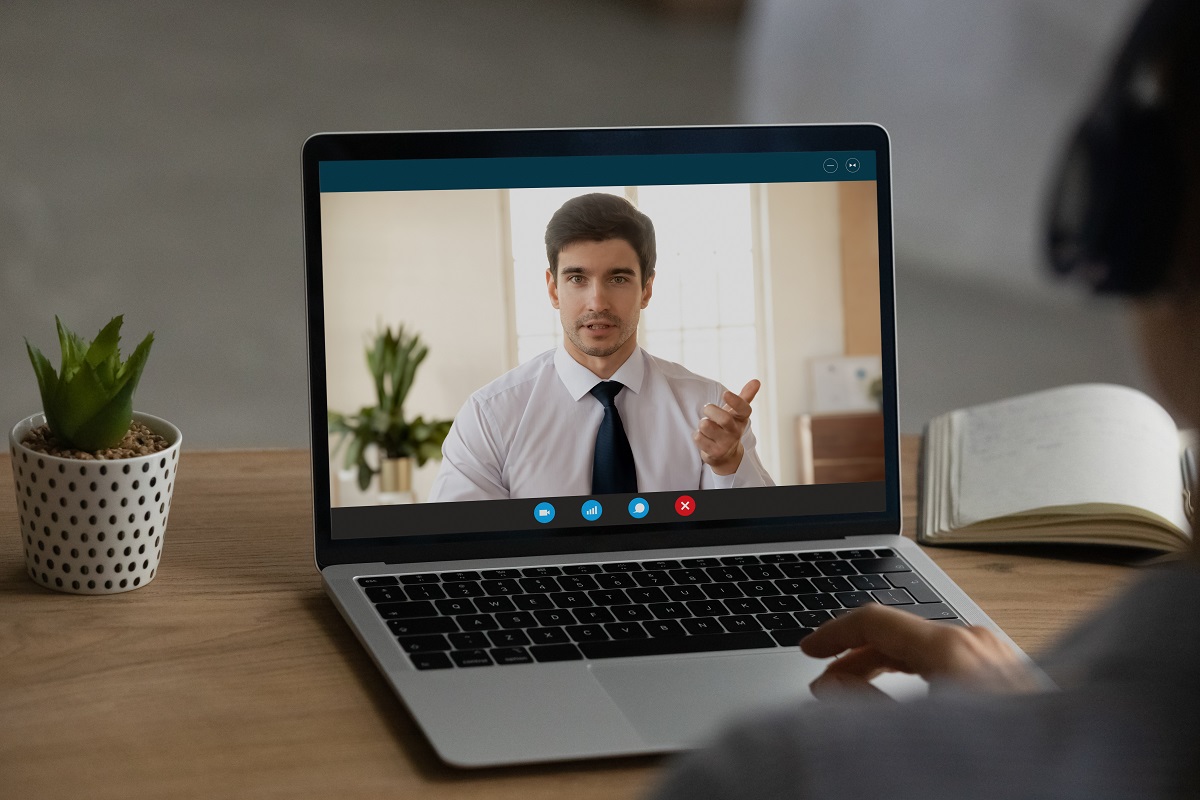
A remote high ticket closing job is a performance-based sales role where professionals close high-value deals entirely online. These roles are commonly found in industries that sell premium services such as coaching programs, software subscriptions, consulting packages, and digital marketing solutions. Instead of meeting clients face-to-face, closers operate through virtual channels like Zoom calls, phone conversations, and CRM platforms. Businesses rely on this model because it reduces overhead while still allowing personalized, high-impact sales conversations. The demand for remote closers has increased significantly as more companies move toward digital-first sales systems. In many cases, one successful close can generate thousands of dollars in revenue, making the role highly attractive for skilled communicators.
The structure of a remote high ticket closing job is built around qualified leads that are already warmed up by marketing or appointment setters. This allows the closer to focus entirely on persuasion, problem-solving, and relationship building rather than cold outreach. Companies expect closers to understand the product deeply and communicate its value clearly. Since the offers are typically high-cost, buyers often require more trust and reassurance before making a decision. This creates a sales environment where emotional intelligence is just as important as technical sales skills. The role is not about pressure selling but about guiding prospects toward confident purchasing decisions.
How Remote High Ticket Closing Works in Practice
The process of a remote high ticket closing job follows a structured pipeline designed for efficiency and conversion. It usually begins when a lead is generated through advertising, content marketing, or outbound outreach. That lead is then qualified and scheduled for a sales call with a closer. During the call, the closer explores the prospect’s needs, challenges, and goals in depth. The conversation is designed to uncover whether the offer is a strong fit for the prospect’s situation.
A typical workflow includes several key stages:
- Lead receives marketing touchpoint or outreach message
- Appointment setter qualifies and schedules the call
- Closer conducts discovery and sales conversation
- Offer presentation and value alignment
- Objection handling and decision support
- Payment processing and onboarding
After the call, follow-ups may be necessary if the prospect needs time to decide. Many deals in a remote high ticket closing job are not closed immediately, so structured follow-up systems are essential. The entire process is heavily supported by digital tools that track pipeline progress and communication history. This ensures that no lead falls through the cracks and every opportunity is maximized. The system is designed for scalability, allowing companies to run multiple closers across different time zones.
Core Responsibilities of a Remote High Ticket Closer
A remote high ticket closing job involves more than simply selling products or services. The closer acts as a consultant who helps potential buyers make informed financial decisions. One of the primary responsibilities is managing sales conversations with qualified leads in a professional and structured manner. These conversations require deep listening skills and the ability to ask the right questions at the right time. The goal is to understand emotional drivers as well as logical needs.
Closers are also responsible for maintaining accurate records in CRM systems. This includes updating call notes, tracking deal stages, and managing follow-ups. Without proper pipeline management, even strong sales skills can lead to missed opportunities. Another major responsibility is handling objections with clarity and confidence. Prospects often hesitate due to price, timing, or uncertainty, and the closer must guide them through these concerns.
Key responsibilities include:
- Conducting structured sales calls with qualified leads
- Identifying customer pain points and goals
- Presenting high-value offers in a clear way
- Managing objections professionally
- Updating CRM systems and sales pipelines
- Following up with undecided prospects
- Meeting monthly revenue targets
Each of these tasks contributes to overall performance in a remote high ticket closing job and directly impacts earnings.
Skills Required to Succeed in a Remote High Ticket Closing Job
Success in a remote high ticket closing job depends heavily on communication ability and emotional awareness. Closers must understand not only what prospects are saying but also what they are feeling. This requires strong listening skills and the ability to interpret subtle buying signals. Confidence is also essential, as hesitation can reduce trust during high-value conversations. Many prospects are making significant financial decisions, so certainty from the closer plays a major role.
Another important skill is objection handling. Instead of avoiding resistance, skilled closers welcome it as part of the decision-making process. Negotiation skills also come into play, especially when prospects are comparing alternatives or considering payment options. Time management is equally important because closers often handle multiple calls and follow-ups daily. Without structure, productivity can quickly decline.
Core skills include:
- Active listening and communication clarity
- Emotional intelligence and empathy
- Objection handling and problem-solving
- Sales negotiation and persuasion
- Pipeline and time management
- Confidence under pressure
- Adaptability across different offers
These skills form the foundation of long-term success in a remote high ticket closing job.
Income Potential in Remote High Ticket Closing Roles
A remote high ticket closing job is known for its performance-based earning potential. Most roles are commission-driven, meaning income is directly tied to sales performance. Since products and services are often priced at thousands of dollars, commissions can be substantial. Some closers earn a percentage per sale, while others work on hybrid salary-plus-commission models. The income varies widely depending on skill level, industry, and lead quality.
High-performing closers often scale their income significantly over time. However, consistency is required, as earnings can fluctuate month to month. Entry-level closers may start with modest commissions but can grow rapidly with experience. Top performers often handle multiple deals per week, resulting in high monthly earnings. The flexibility of this model attracts many professionals seeking remote income opportunities.
Industries Hiring Remote High Ticket Closers
A remote high ticket closing job exists across several industries that rely on premium offers. One of the most common sectors is online coaching, where programs can range from business mentoring to fitness transformation. SaaS companies also heavily rely on closers to convert enterprise-level clients. Digital marketing agencies use closers to sell advertising packages and growth services. Consulting firms also depend on high ticket sales professionals to secure long-term contracts.
Other industries include:
- Online education and certification programs
- Health and wellness transformation services
- Financial education and investment training
- Business consulting and strategy services
- Software and technology platforms
- High-end personal development programs
Each industry requires slightly different sales approaches, but the core principles remain consistent.
Tools and Technology Used in Remote Closing
Technology plays a critical role in a remote high ticket closing job. Closers rely on CRM platforms to track leads and manage pipelines. Video conferencing tools are used for live sales calls and presentations. Scheduling software helps organize appointments efficiently. Communication platforms support collaboration with teams, managers, and setters.
Common tools include:
- CRM systems for pipeline tracking
- Zoom or similar video call platforms
- Calendar scheduling software
- Messaging apps for team coordination
- Automation tools for reminders and follow-ups
These tools ensure that the sales process remains organized and scalable.
Lead Qualification and Sales Pipeline Management
Lead qualification is essential in a remote high ticket closing job because not every prospect is ready to buy. Qualified leads are those who have interest, financial ability, and urgency. Without proper qualification, closers may waste time on unproductive conversations. A strong pipeline system helps prioritize high-value opportunities.
Pipeline management ensures that each lead is tracked through stages such as new, contacted, booked, followed up, and closed. This structured approach helps improve conversion rates and forecasting accuracy. Consistency in pipeline management often separates average closers from high performers.
Sales Psychology Behind High Ticket Closing
Sales psychology is a major component of a remote high ticket closing job. Buyers make decisions based on emotion first and logic second. Trust is one of the most important factors in high-value sales conversations. Closers must establish credibility quickly while maintaining authenticity. Understanding urgency, fear of missing out, and desire for transformation helps guide conversations effectively.
Buyers often need reassurance before making large investments. A skilled closer helps them feel confident rather than pressured. This balance is what drives successful conversions in high-ticket environments.
Remote High Ticket Closing Job Requirements and Hiring Criteria
Companies hiring for a remote high ticket closing job often look for communication skills more than formal education. Some roles require prior sales experience, while others offer training for beginners. Performance-based hiring is common, especially in commission-only roles. Employers value discipline, coachability, and consistency.
Candidates may be evaluated through mock calls or trial periods. Strong verbal communication and confidence are often more important than resumes. Many companies prefer individuals who are willing to learn and adapt quickly.
How to Get Started in a Remote High Ticket Closing Job
Getting started in a remote high ticket closing job requires building foundational sales knowledge. Many aspiring closers begin by taking online sales training programs or mentorship courses. Networking in sales communities can also help uncover opportunities. Building a strong personal brand can increase visibility to recruiters.
Steps to start include:
- Learning basic sales frameworks and psychology
- Practicing communication and role-play calls
- Joining sales communities and job groups
- Applying to entry-level closing positions
- Developing consistency in daily practice
Persistence is key, as breaking into the industry often requires continuous effort.
Frequently Asked Questions
What is a remote high ticket closing job?
A remote high ticket closing job is a sales role focused on closing high-value deals online through phone or video calls.
Do I need experience to get started?
Not always. Some companies provide training, while others prefer experienced sales professionals.
How much can I earn?
Earnings vary widely but are typically commission-based, with high potential depending on performance.
Is it a stable career?
It can be stable for skilled closers, but income depends on consistency and performance.
What industries hire remote closers?
Coaching, SaaS, consulting, marketing agencies, and financial education are common industries.
Takeaway
A remote high ticket closing job offers a performance-driven career path where communication skills, emotional intelligence, and discipline directly influence income potential. It provides flexibility, scalability, and access to high-income opportunities across multiple industries. Success in this field depends on continuous learning, strong pipeline management, and the ability to build trust quickly in virtual environments. For individuals willing to develop their sales skills, it can become a highly rewarding remote profession.