High-rise buildings require reliable systems that allow maintenance teams to safely reach exterior surfaces. As buildings become taller and their facades become more sophisticated, routine cleaning, inspection, and repair can become increasingly challenging. Windows, curtain walls, glass panels, cladding, architectural features, and exterior fixtures may all require regular attention. A Building Maintenance Unit Philippines system provides a permanent facade access solution designed to help authorized personnel perform these essential tasks. Unlike temporary access arrangements, a BMU can be integrated into the building’s design and developed around its specific facade requirements. Properly selected equipment can help facility managers organize recurring exterior maintenance while supporting appropriate work-at-height practices. For property owners and developers, understanding how these systems work can make long-term building maintenance more efficient and better planned.
What Is a Building Maintenance Unit?
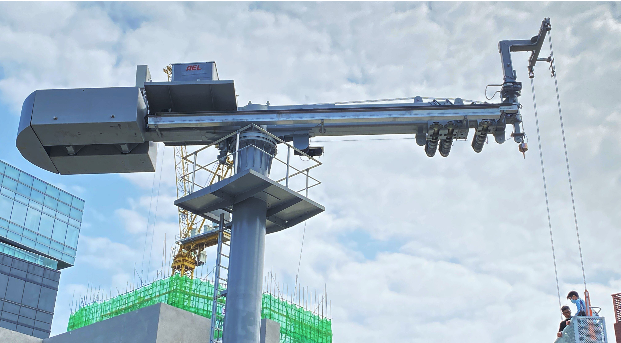
A Building Maintenance Unit, or BMU, is a permanent mechanical system designed to provide access to the exterior surfaces of a building. It typically includes equipment installed at or near roof level together with a suspended cradle or working platform. The equipment can be engineered to move the platform into positions where maintenance personnel can work on designated sections of the facade. Depending on the building’s design, a BMU may incorporate tracks, traveling mechanisms, telescopic booms, articulated arms, suspension equipment, and control systems. These components work together to provide controlled access to elevated exterior areas. BMUs are particularly relevant to buildings where conventional ground-based equipment cannot provide practical access to the upper facade. Their design should always be based on the building’s architecture, structural requirements, intended maintenance activities, and applicable safety considerations.
Why High-Rise Buildings Need Reliable Facade Access
Exterior maintenance is a continuous responsibility for owners and facility management teams. Glass surfaces can accumulate dust and environmental contaminants, while facade components may require periodic inspection and servicing. High-rise buildings also contain areas that cannot be conveniently reached from the ground. Without a planned access system, maintenance teams may need to arrange temporary equipment or specialized access methods for individual tasks. This can make recurring maintenance more complicated to schedule and coordinate. A permanent facade access system can provide a dedicated approach for reaching specified areas of the building. For properties with extensive exterior glazing or complex architectural features, reliable access can become an important part of the overall facility management strategy.
How a Building Maintenance Unit Operates
A BMU generally uses roof-level equipment to position a suspended working platform alongside the building facade. The platform is connected to suspension equipment that allows it to move vertically along the exterior surface. Depending on the configuration, the machine may also travel horizontally along a roof-mounted track or move through another designated path. Telescopic or articulated components can provide additional reach where the facade contains setbacks, projections, or irregular sections. Operators use dedicated controls to manage the equipment within its designed operating range. The system may include limit devices, emergency controls, monitoring systems, and other safety-related components. Because configurations differ significantly, operators must follow the specific manufacturer’s instructions and procedures established for the building.
Applications of Building Maintenance Unit Systems
One of the most recognizable applications of a BMU is high-rise window cleaning. Large glass facades need regular cleaning to maintain their appearance and support the proper upkeep of the building exterior. A BMU can also provide access for visual inspections of facade panels, curtain walls, joints, sealants, and other exterior components. Maintenance personnel may use suitable systems when performing certain repair or replacement activities. Depending on the equipment’s specifications, a BMU may also support selected glass or facade component handling tasks. Exterior lighting fixtures, architectural elements, and other accessible features may require periodic servicing as well. The system should only be used for applications that have been properly considered during engineering and remain within the equipment’s rated capabilities.
Main Components of a BMU
A Building Maintenance Unit consists of several interconnected components that perform different functions. The main machine provides the mechanical power needed to position the equipment. Roof tracks or traveling systems can allow the unit to move between designated operating positions. A boom or arm may extend outward from the building to position the suspended cradle along the facade. The cradle provides a working area for authorized maintenance personnel. Hoists, wire ropes, electrical controls, limit switches, and mechanical components contribute to controlled movement. Depending on the design, additional safety and emergency systems may be incorporated to address specific operating hazards.
Safety Requirements for BMU Operations
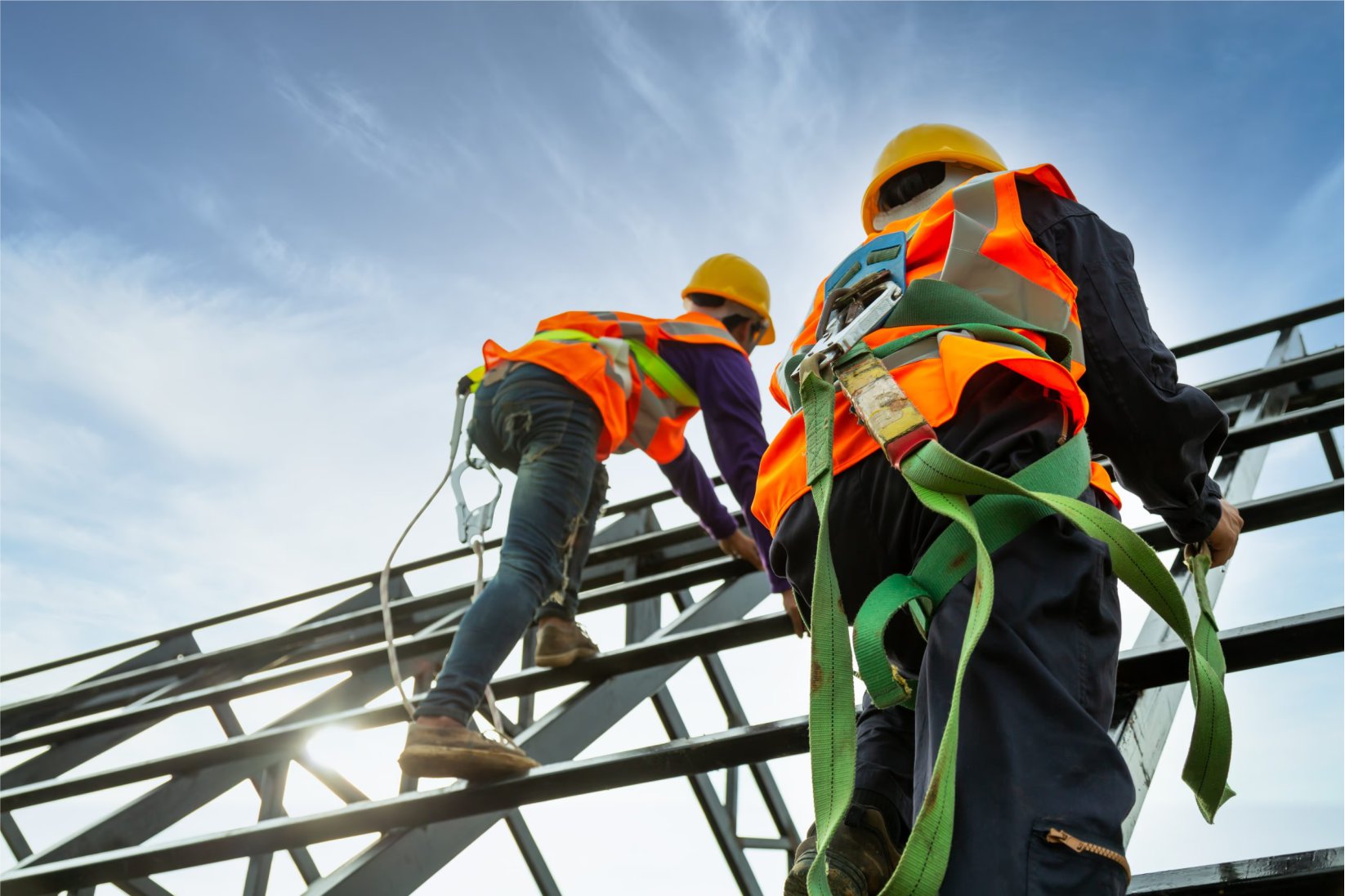
Work at height requires careful planning because workers can be exposed to significant hazards during facade maintenance. A BMU should never be treated as ordinary equipment that anyone can operate without proper instruction. Operators need appropriate training and authorization for the specific system they will use. Pre-use checks should be performed to identify visible damage, unusual conditions, or equipment problems. Work planning should also consider weather conditions, wind, facade obstructions, falling objects, communication procedures, and emergency response. Personnel should use appropriate protective equipment and follow established work-at-height procedures. Keeping people below the work area away from potential falling objects can also be an important part of site control.
Designing a BMU for Philippine Buildings
The design of a BMU should be closely connected to the building’s architecture and maintenance requirements. Buildings with simple rectangular facades may require a different configuration from towers with curved walls, balconies, setbacks, or projecting structures. The equipment must provide sufficient reach to the areas that maintenance personnel are expected to access. Structural support requirements should also be addressed during the engineering stage. Roof space, equipment travel paths, storage considerations, access to the machinery, and emergency arrangements can all affect the final design. For new construction, integrating facade access requirements early can help reduce costly modifications later. Existing buildings may require a detailed assessment before a permanent system can be installed.
Importance of BMU Inspection and Preventive Maintenance
The BMU itself requires regular attention to remain reliable and safe to operate. Mechanical parts can experience wear over time, while electrical and control components may require inspection and servicing. Suspension equipment and wire ropes should be checked according to appropriate procedures and manufacturer requirements. Operators should also report unusual sounds, movements, control problems, or visible damage before continuing work. Maintenance records can help facility managers monitor the equipment’s condition and identify recurring issues. Preventive maintenance can also help reduce unexpected interruptions during planned facade cleaning or repair activities. A properly managed inspection and service program supports the long-term performance of the entire facade access system.
Selecting a Building Maintenance Unit Philippines Provider
Selecting an appropriate provider is an important step when planning a Building Maintenance Unit Philippines project. Property owners should look beyond the initial equipment price and evaluate the provider’s engineering capabilities, experience, installation support, and maintenance services. A qualified provider should understand how the proposed system will interact with the building’s facade and structural design. The provider should also be able to explain operating requirements, maintenance responsibilities, safety features, documentation, and training needs. For complex towers, customized engineering may be more appropriate than a standard off-the-shelf configuration. Long-term technical support is another important consideration because the equipment will require servicing throughout its operating life. Choosing a provider based on quality, suitability, safety, technical support, and lifecycle value can provide greater confidence in the final installation.
Advantages of Using a BMU
A properly designed BMU can give a building a permanent method of accessing exterior surfaces. This can make recurring facade maintenance easier to organize and schedule. It can also reduce the need to arrange temporary access equipment for every routine cleaning activity when the BMU is suitable for the required work. Facility teams can develop maintenance procedures around the equipment and establish regular inspection schedules. A dedicated access system may also help maintenance personnel reach areas that would otherwise require more specialized arrangements. For buildings with large glass facades, regular access can support consistent cleaning and inspection programs. The overall value of the system depends on proper engineering, safe operation, regular maintenance, and appropriate use.
BMU Compared With Other Facade Access Systems
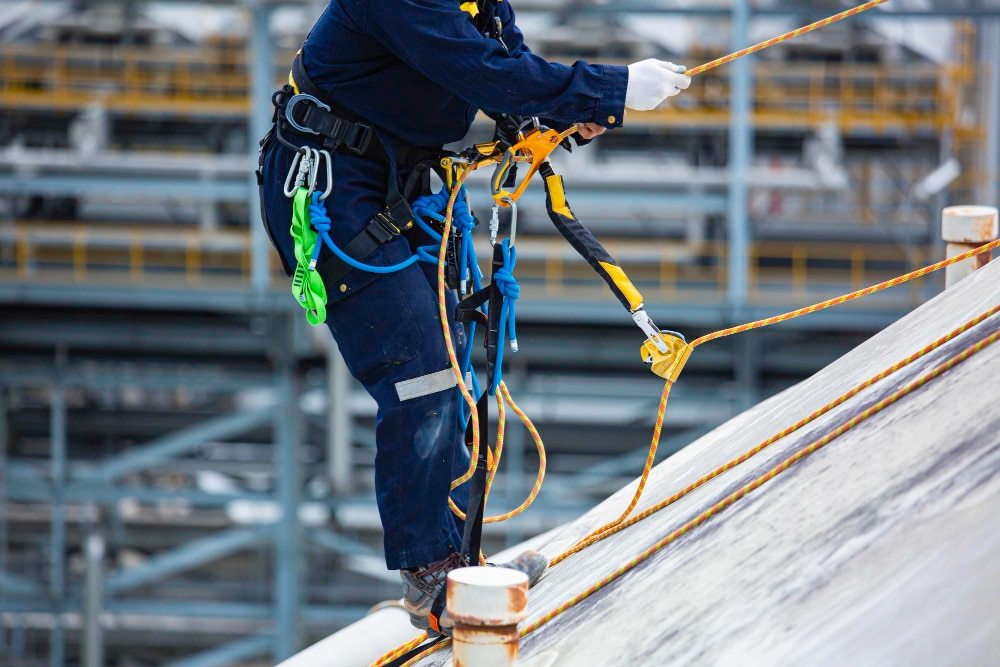
There are several methods for accessing high-rise facades, and a BMU is only one possible solution. Rope access can be useful for specialized tasks or locations that are difficult to reach with mechanical equipment. Suspended platforms and davit systems can provide alternative access arrangements for particular building designs. Mobile elevating work platforms may be suitable for lower structures or accessible areas around a building. Permanent facade access systems can become particularly useful when maintenance is frequent and the building has extensive vertical surfaces. Some properties may benefit from combining multiple access methods to address different areas of the facade. The most suitable solution depends on the building’s height, geometry, maintenance schedule, site conditions, and specific work requirements.
Planning a Long-Term Facade Maintenance Strategy
A building’s facade should be treated as an ongoing maintenance responsibility rather than something that only requires attention when visible problems appear. Property managers can identify the areas that need regular cleaning, inspection, repair, or component replacement. These requirements can then be considered when developing the building’s facade access strategy. A BMU can form an important part of that strategy when its capabilities match the building’s requirements. Facility teams should establish operating procedures, training requirements, inspection schedules, emergency arrangements, and maintenance responsibilities before regular operations begin. Documentation can help ensure that different maintenance teams follow consistent procedures over time. Careful planning can help property owners manage exterior maintenance more efficiently while supporting appropriate safety practices.
Frequently Asked Questions About Building Maintenance Unit Philippines
1. What is a Building Maintenance Unit used for?
A Building Maintenance Unit is primarily used to provide controlled access to building exteriors. It can support window cleaning, facade inspection, maintenance, and selected repair activities. The equipment is commonly associated with high-rise buildings where exterior surfaces are difficult to reach from ground level. Its capabilities depend on its engineering and rated specifications. The system should only be used for tasks it was designed and approved to perform. Proper training and operating procedures are also important.
2. Why is a BMU important for high-rise buildings?
High-rise buildings often have extensive exterior surfaces that require regular maintenance. Windows, glass panels, facade cladding, and architectural features can accumulate dirt or require periodic inspection. A BMU can provide a permanent method for accessing these areas. This can make recurring maintenance easier to organize. It may also reduce dependence on temporary access arrangements for suitable tasks. The final system should be selected according to the specific building’s needs.
3. Can a BMU be customized for a building?
Yes, BMU systems can be designed around the characteristics of individual buildings. Factors such as facade geometry, roof configuration, building height, setbacks, balconies, and maintenance requirements can affect the equipment design. Some buildings may require telescopic or articulated components to reach difficult areas. Engineering assessments are important before selecting the final configuration. The system should provide appropriate coverage without interfering with building features.
4. Who can operate a BMU?
Only appropriately trained and authorized personnel should operate a Building Maintenance Unit. Operators need to understand the equipment’s controls, limitations, safety procedures, and emergency arrangements. They should also perform the required pre-use checks before beginning work. Building management should establish clear procedures for operation and supervision. Unauthorized personnel should not use the equipment.
5. How does BMU maintenance support building maintenance?
Maintaining the BMU helps ensure that the facade access system remains ready for its intended applications. Regular inspections can identify wear, damage, or operational issues before they interfere with planned work. Preventive servicing can also help preserve mechanical and electrical components. Facility managers should keep appropriate inspection and service records. Maintenance requirements should follow the manufacturer’s recommendations and applicable procedures.
6. What should building owners consider when buying a BMU?
Building owners should consider the building’s height, facade geometry, maintenance requirements, roof configuration, and access coverage. The provider’s engineering expertise and installation capabilities are also important. Safety systems, documentation, training, inspection, and after-sales support should be evaluated. Long-term maintenance requirements should be considered alongside the initial purchase price. A system designed specifically around the property’s needs may provide better value than a generic solution.
7. Is a BMU the only option for facade maintenance?
No, several facade access methods can be used depending on the building and the work involved. Rope access, suspended platforms, davit systems, and mobile elevating work platforms can each have appropriate applications. Some buildings may use several systems to provide access to different facade areas. A professional assessment can help determine the most practical combination. The goal should be to provide suitable access while addressing the building’s operational and safety requirements.
Takeaway
A Building Maintenance Unit Philippines system can provide an important long-term solution for maintaining high-rise building exteriors. It gives authorized personnel a dedicated means of reaching facades for cleaning, inspection, repair, and other approved maintenance activities. The effectiveness of a BMU depends on thoughtful design, appropriate engineering, quality installation, trained operators, and regular inspection. Building owners should evaluate the entire lifecycle of the system rather than focusing only on the initial equipment cost. Facility managers should also establish clear procedures for operation, maintenance, emergency response, and record keeping. When properly planned and managed, a BMU can make exterior building maintenance more organized and practical. For high-rise properties in the Philippines, investing in an appropriately designed facade access system can support the building’s long-term appearance, maintenance requirements, and operational needs.