Cable Car Systems for Modern Philippine Developments
Cable car systems can offer practical transportation solutions for developments located in elevated, mountainous, or difficult-to-reach areas. They can also serve as an attraction for resorts, tourism destinations, parks, and other large-scale developments. However, creating a dependable system requires careful planning from the earliest project stages. A professional cable car installer solution Philippines provider can help coordinate the technical requirements involved in installing and integrating the system. These requirements can include structural supports, cables, drive equipment, passenger carriers, electrical controls, braking mechanisms, and station facilities. Because passengers depend on the system for transportation, every major component needs to be appropriately selected, installed, inspected, and maintained. Passenger cableway standards address safety considerations for installations designed to transport people, including requirements related to construction, installation, operation, and maintenance. The right installation strategy can therefore help project owners establish a cableway system that is suitable for its intended purpose and operating environment.
Planning a Cable Car Installation Project
Planning is one of the most important stages of any cableway development because decisions made early can influence the entire installation process. Project owners should establish the intended purpose of the cable car, expected passenger capacity, route length, operating conditions, station locations, and anticipated frequency of use. The proposed route should also be evaluated to identify changes in elevation, natural obstacles, access limitations, and areas requiring structural support. Engineering professionals can use this information to determine the technical requirements of the project. The installation plan should identify how equipment will be transported, positioned, assembled, connected, tested, and commissioned. A detailed schedule can also help coordinate civil construction with mechanical, electrical, and control-system installation. Planning should include safety considerations so that potential construction and operational hazards are addressed before work begins. With a structured plan, a cable car installer solution Philippines provider can coordinate the various stages of installation more efficiently.
Conducting a Detailed Site Assessment
The physical location of a cable car system can have a major effect on its engineering and installation requirements. A detailed site assessment should consider terrain, elevation, soil and foundation conditions, proposed tower positions, station areas, construction access, and environmental exposure. Mountainous areas may require specialized methods for transporting equipment and materials to installation locations. The assessment should also identify possible obstacles along the cableway route that could interfere with construction or future operation. Environmental influences, structural loads, and other site conditions should be incorporated into the engineering process. Standards for cableway civil engineering works address safety considerations involving environmental influences, design requirements, verification, and construction components. A complete site evaluation gives the project team useful information before major equipment is ordered or construction begins. It can also help identify logistical challenges early, allowing engineers and installers to develop appropriate solutions before they become costly project delays.
Understanding the Main Cable Car Components
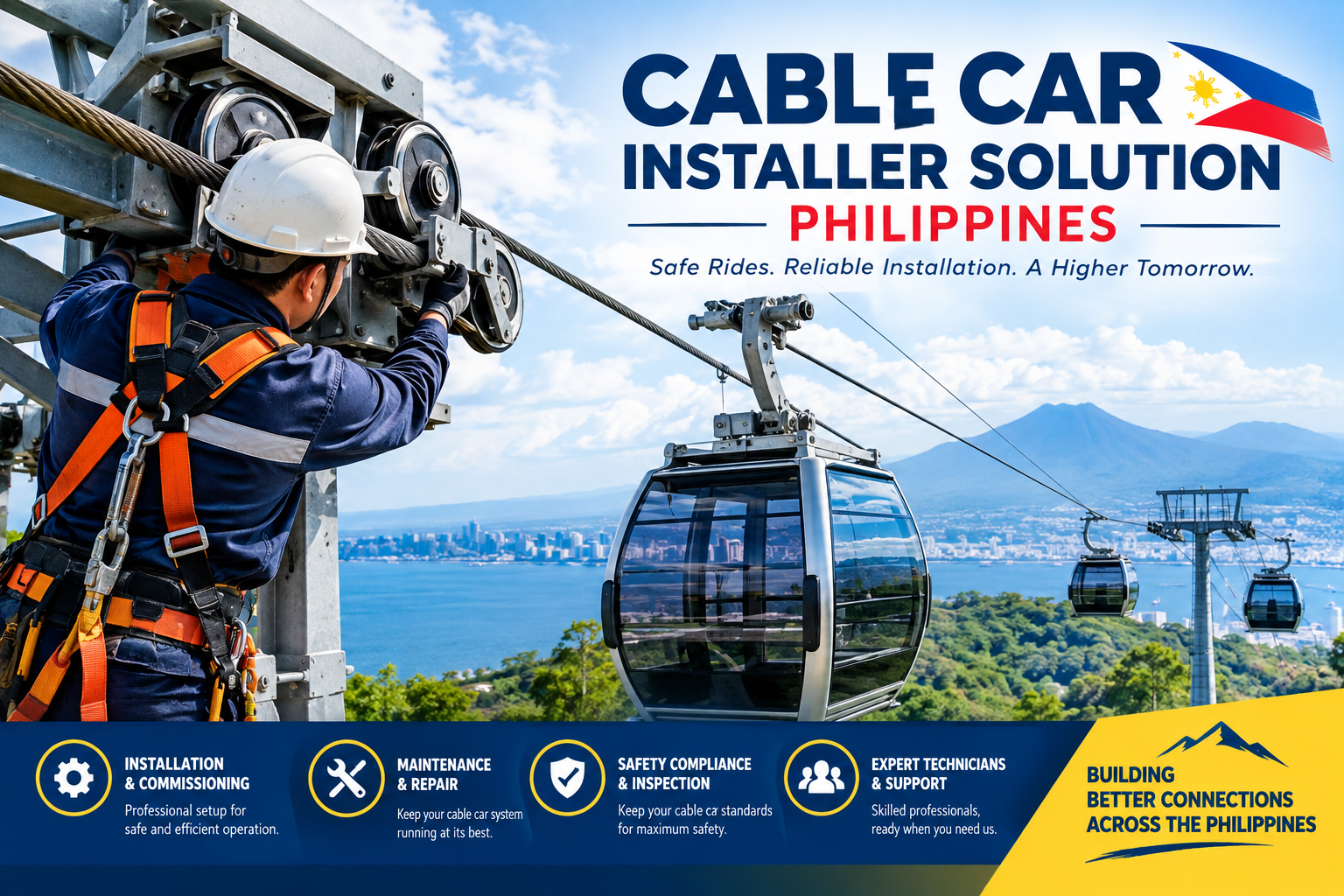
A cable car system is made up of numerous components that work together to move passengers along a planned route. Depending on the system, major components may include ropes, towers, sheaves, drive machinery, braking equipment, tensioning devices, passenger carriers, stations, electrical systems, and control equipment. The cable or haul rope provides the primary connection between the drive system and passenger carriers. Towers and support structures maintain the required cableway geometry along the route. Sheaves guide and support the rope while helping it travel through the system. Drive systems provide the mechanical force required for movement, while braking systems provide controlled stopping functions. Passenger carriers must also be properly connected to the cable system and configured for their intended operating conditions. A professional installer needs to understand how all of these components interact so that the complete installation operates as an integrated transportation system.
Structural Installation and Support Infrastructure
The structural portion of a cable car project provides the physical foundation required for the system. Foundations, towers, stations, platforms, machinery supports, and access structures must be designed around the requirements of the cableway. Structural engineers may need to consider equipment loads, operational forces, environmental conditions, and the characteristics of the site. Proper positioning of support towers is particularly important because their locations influence cable alignment and system geometry. Foundations must also be constructed accurately so that mechanical components can subsequently be installed in their intended positions. Civil engineering standards for passenger cableways provide requirements addressing the safety of civil engineering works used in these systems. Coordination between the civil contractor and cableway installer can help reduce conflicts during construction. Before mechanical equipment is installed, completed structural work should be appropriately inspected and verified according to the project’s engineering requirements.
Mechanical Installation and Equipment Integration
Mechanical installation involves putting the equipment responsible for cableway movement and control into its intended positions. This can involve drive machinery, sheaves, ropes, tensioning equipment, braking systems, carriers, and other mechanical components. Installation teams need to pay close attention to alignment because small positioning errors can affect the interaction between different components. Rope installation also requires appropriate procedures for handling, positioning, tensioning, and inspection. Tensioning devices are important because they help maintain appropriate rope conditions throughout system operation. Cableway standards cover mechanical equipment such as drive systems, pulleys, gearboxes, hydraulic equipment, mechanical transmissions, and braking systems. Each component should be installed according to the applicable technical documentation and manufacturer requirements. After installation, mechanical components should be inspected and tested before the system advances to later commissioning stages.
Electrical and Control System Installation
Electrical systems are essential for controlling and monitoring cable car equipment. Depending on the system configuration, electrical components may include motors, control panels, sensors, communication systems, monitoring equipment, alarms, and emergency controls. Proper cable routing and termination are necessary to protect electrical wiring and support reliable operation. Wiring should be installed in a manner appropriate to its intended environment and protected against potential mechanical or environmental damage. Philippine technical specifications for electrical installations emphasize proper cable installation, termination, testing, commissioning, fixing, routing, and protection. Control equipment should also be tested to verify that commands and monitoring functions correspond correctly with the mechanical system. Emergency and safety-related electrical functions should receive particular attention during system testing. Coordination between electrical specialists and the cable car installer can help ensure that the electrical and mechanical portions of the project function together as intended.
Protecting Workers During Installation
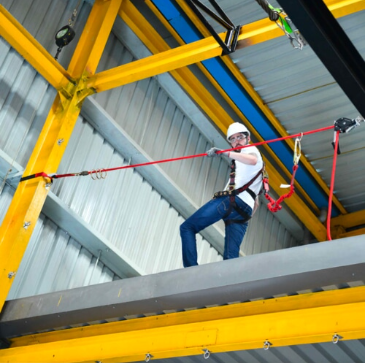
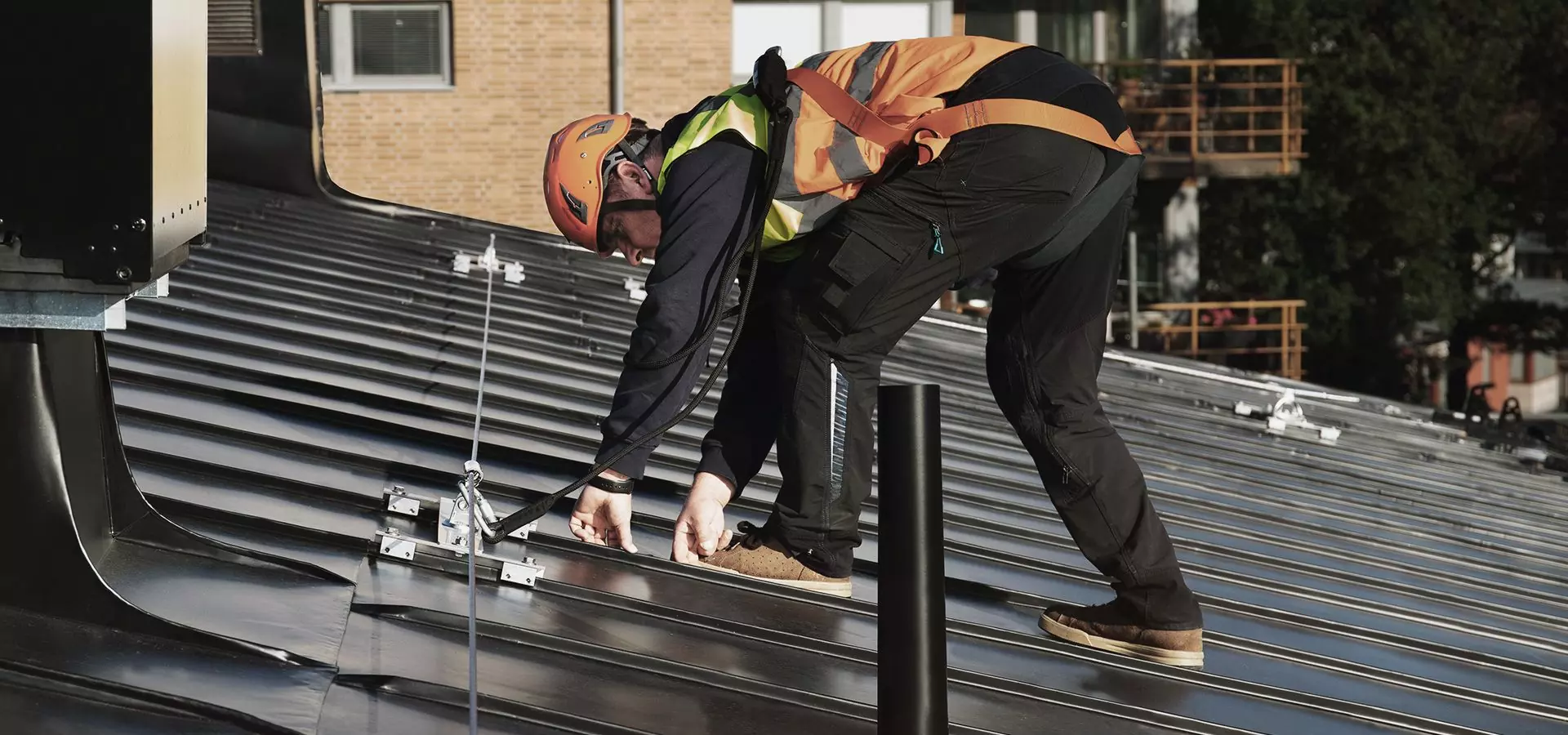
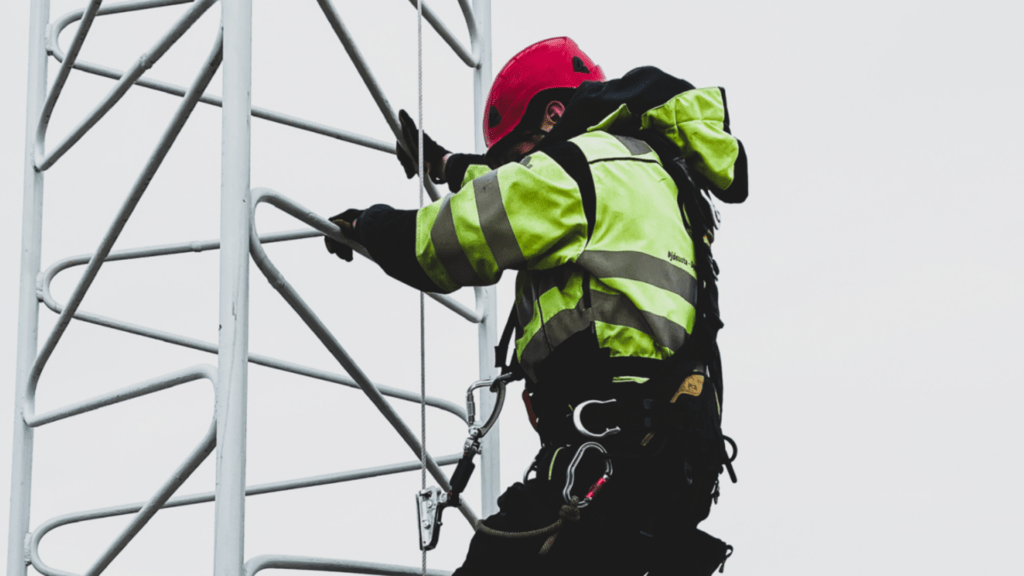
Cable car installation can involve elevated work, heavy lifting, machinery, electrical equipment, specialized tools, and challenging terrain. These conditions make worker protection an essential consideration during construction. Project teams should establish appropriate work procedures and identify hazards before workers begin specialized installation activities. Personal protective equipment, fall-protection equipment, access controls, lifting procedures, and restricted work areas may be necessary depending on the site and task. Workers should also receive appropriate training for the equipment and procedures involved in the project. Philippine construction safety requirements provide a framework for protecting workers through appropriate construction safety and health programs under applicable regulations. Safety planning should continue throughout the installation rather than being limited to the initial project briefing. A professional cable car installer solution Philippines provider should incorporate safety practices into equipment handling, installation, testing, and commissioning activities.
Testing and Commissioning Before Operation
Testing provides an important opportunity to verify that the completed cable car system operates according to its intended design. Inspections should cover the relevant structural, mechanical, electrical, control, and safety components before passenger operations begin. Mechanical checks can examine drive equipment, ropes, sheaves, brakes, tensioning devices, and passenger carriers. Electrical testing can examine controls, sensors, communication equipment, alarms, and emergency functions. Functional testing can then evaluate how the system responds to different operating commands and safety conditions. Cableway safety standards address pre-commissioning inspection and operational inspection for systems designed to transport people. Any identified defect, abnormal behavior, or installation problem should be evaluated and corrected before the system moves to the next stage. Detailed records of inspections and test results can also provide valuable information for future maintenance and operational activities.
Maintenance for Long-Term Cableway Performance
Once a cable car system is operational, regular maintenance becomes an essential part of managing the installation. Mechanical equipment can experience wear through normal use, while cables and structural components can be affected by operating and environmental conditions. Electrical and control equipment should also be inspected to identify faults, deterioration, or other problems. Preventive maintenance allows operators to address certain issues before they develop into more significant equipment problems. Inspection schedules should be established according to the system’s technical requirements and applicable safety procedures. Maintenance personnel should document inspections, repairs, component replacements, and other servicing activities. Cableway guidance also addresses maintenance instructions and operational inspections for passenger transportation systems. A structured maintenance program can help project owners maintain better visibility of the condition of their equipment and support reliable long-term operation.
Selecting a Cable Car Installer Solution Philippines Provider
Choosing an installation provider requires careful consideration because the quality of the installation can affect the performance and maintainability of the complete system. Project owners should examine the provider’s technical capabilities, installation experience, engineering coordination, safety practices, and knowledge of cableway equipment. It is also important to ask how the provider manages site assessment, equipment installation, testing, commissioning, and maintenance support. A clear project scope should identify which activities are handled by the installer and which responsibilities belong to equipment manufacturers, engineers, contractors, or other specialists. Documentation should also be part of the project because installation records can support future inspection and maintenance activities. The provider should be able to communicate technical requirements clearly to project stakeholders. Selecting a cable car installer solution Philippines provider with suitable technical resources can help create a more coordinated installation process from planning through operational support.
Cable Car Applications in the Philippines
Cableway systems may be considered for a variety of developments where elevated transportation can provide practical access or additional visitor value. Tourism resorts, mountain attractions, recreational parks, and specialized transportation developments may explore cable car systems as part of their infrastructure plans. In some locations, cableways can connect areas separated by steep terrain or elevation changes. They may also provide visitors with an elevated transportation experience that complements a tourism development. However, the suitability of a cable car should always be evaluated according to the characteristics and requirements of the specific site. Passenger capacity, route configuration, operating environment, maintenance access, emergency planning, and structural requirements should all be considered. The engineering and installation approach should be developed around the intended application rather than using a generic design for every project. With careful planning and professional technical support, a cableway can become an important part of an appropriately designed Philippine development.
FAQ About Cable Car Installer Solution Philippines
1. What is a cable car installer solution Philippines provider?
A cable car installer solution Philippines provider specializes in supporting the installation and integration of cableway systems. Depending on the project scope, the provider may assist with site assessment, equipment installation, mechanical assembly, electrical integration, testing, and commissioning. Some providers may also offer maintenance and technical support after installation. The exact services available will depend on the system design and project requirements. Project owners should request a detailed scope of work before beginning a cableway project. This helps establish which tasks will be handled by the installer and which will require other engineering or construction specialists. Clear responsibilities can make project coordination more efficient.
2. How long does cable car installation take?
The installation period can vary considerably depending on the size and complexity of the project. Factors can include route length, number of towers, station configuration, site accessibility, foundation requirements, equipment availability, and weather conditions. Civil construction may also need to be completed before certain mechanical installation activities can begin. Larger systems typically require more extensive coordination between multiple technical teams. Testing and commissioning also need to be included in the overall project schedule. A detailed site assessment and project plan can provide a more realistic understanding of the expected installation timeline. Project owners should discuss scheduling requirements with the installer before construction begins.
3. What should be checked before choosing a cable car installer?
Project owners should review the provider’s relevant technical experience and capabilities. They should also ask about installation procedures, safety practices, testing processes, commissioning support, and maintenance services. Experience with similar cableway equipment can be useful because different systems can have different technical requirements. The provider should be able to coordinate effectively with engineers, contractors, manufacturers, and project consultants. Clear documentation and communication should also be part of the project process. It is useful to ask for a detailed scope that identifies responsibilities, deliverables, inspections, and testing activities. These considerations can help owners understand whether a provider is equipped for their particular cableway project.
4. Why is site assessment important for cable car projects?
Site assessment provides information needed to develop a suitable cableway installation plan. Terrain, elevation changes, soil conditions, access routes, tower locations, and station positions can all affect the project. Environmental conditions may also influence structural and mechanical requirements. A detailed survey can help engineers identify potential obstacles before construction begins. It can also help determine how equipment and construction materials will reach different parts of the project site. Addressing these issues early can help reduce unexpected installation challenges. Site-specific planning is therefore an important part of developing a practical cableway system.
5. What safety systems are used in cable car installations?
Cable car systems can incorporate multiple safety-related components and procedures. These may include braking systems, emergency controls, sensors, monitoring equipment, communication systems, alarms, and operational procedures. The exact safety features depend on the type and design of the cableway. Workers also need appropriate safety measures during installation because construction activities can involve elevated areas, heavy equipment, and electrical hazards. Pre-commissioning inspections can help verify relevant components before passenger operations begin. Ongoing operational inspections and maintenance are also important after the system becomes active. Project owners should work with qualified technical professionals to establish safety procedures appropriate for the specific installation.
6. Can cable cars be installed in mountainous areas?
Cable cars can be considered for mountainous and elevated locations, but the site needs careful engineering assessment. Steep terrain can affect foundation construction, tower positioning, equipment transportation, and installation access. Weather and environmental conditions may also influence construction and future operation. The proposed route should be surveyed carefully before the final system configuration is established. Civil and structural requirements need to account for the specific conditions of the location. Installation logistics should also be planned because specialized equipment may need to reach elevated or difficult-access areas. A qualified installer and engineering team can evaluate these factors and develop an installation approach suited to the project.
7. Does a cable car require maintenance after installation?
Yes, cable car systems require ongoing inspection and maintenance after installation. Ropes, mechanical equipment, braking systems, electrical controls, structural components, and passenger carriers can all require periodic attention. Maintenance activities should follow the applicable technical requirements and manufacturer recommendations for the installed equipment. Regular inspections can help identify wear or developing equipment problems. Operators should also maintain accurate records of inspection, servicing, repairs, and component replacement. Maintenance planning should be established before the system enters regular passenger operation. A long-term maintenance strategy can help support the continued reliability and safe management of the cableway.
Takeaway
Developing a cable car system requires careful coordination between engineering, civil construction, mechanical installation, electrical integration, safety management, testing, and maintenance. A professional cable car installer solution Philippines provider can help project owners manage these technical requirements according to the specific characteristics of the proposed system. Site assessment should be completed early to understand terrain, elevation, foundation conditions, access limitations, and environmental influences. Major components such as ropes, towers, drive machinery, braking systems, passenger carriers, electrical equipment, and controls must be properly integrated. Testing and commissioning provide important opportunities to inspect the completed installation and identify issues before passenger operations begin. Ongoing inspection and preventive maintenance then become important parts of managing the system throughout its operating life. For developers, resorts, tourism operators, engineering firms, and infrastructure planners, careful selection of an experienced installation partner can support a more organized and technically coordinated cableway project.