Working above ground level is an essential part of many construction, maintenance, inspection, and industrial activities. From high-rise buildings and commercial properties to factories, warehouses, rooftops, and telecommunications structures, workers often need to reach locations that cannot be accessed safely from ground level. This is where carefully planned height access solutions become essential. The right access method can provide workers with a controlled route to elevated areas while supporting efficient completion of maintenance and repair tasks. However, selecting equipment simply because it can reach a particular height is not enough. The nature of the task, work environment, equipment limitations, worker competency, weather conditions, and fall hazards must all be considered. For organizations searching for dependable height access Philippines solutions, understanding how different access methods work can make the planning process more effective.
What Is Height Access and Why Does It Matter?
Height access refers to the systems, equipment, and methods used to allow workers to safely reach elevated, restricted, or difficult-to-access locations. These solutions can range from simple ladders and fixed access systems to scaffolding, aerial work platforms, and specialized rope access techniques. The appropriate choice depends heavily on the work environment and the task that needs to be completed. A worker inspecting a rooftop may have very different access requirements from a technician repairing equipment inside an industrial facility. Similarly, cleaning the facade of a high-rise building may require a specialized solution because of the building’s height and exterior design. Proper height access planning helps organizations avoid unsafe improvisation and unnecessary delays. It also allows project managers to consider worker movement, equipment positioning, material handling, and emergency procedures before elevated work begins.
The Growing Need for Height Access Solutions in the Philippines
The Philippines has a wide range of buildings, infrastructure, commercial facilities, industrial sites, and construction projects that require regular work at elevated locations. High-rise developments often need ongoing facade cleaning, inspection, repair, painting, and maintenance after construction has been completed. Industrial facilities may have elevated pipes, tanks, machinery, platforms, ventilation systems, and structural components that require periodic inspection or servicing. Warehouses can also present access challenges when lighting, roofing systems, electrical installations, or high-level storage areas require attention. Telecommunications infrastructure creates another environment where workers may need to access towers and elevated equipment. These activities demonstrate that height access is not limited to construction sites because it can be part of regular facility operations. As businesses continue to maintain increasingly complex properties and infrastructure, dependable access planning becomes an important consideration.
Key Factors That Affect Height Access Selection
Choosing a height access system should begin with an assessment of the worksite rather than the equipment catalog. The first factor to consider is the actual height and location of the work area. The team should also determine whether workers need to move horizontally, vertically, or around structural obstacles while performing their tasks. The duration of the work can influence the decision because a temporary short-duration activity may require a different solution from a maintenance project lasting several days. The number of workers, tools, and materials that need to be elevated should also be considered. Ground conditions, available setup space, nearby structures, overhead hazards, and weather exposure can further affect equipment selection. Taking these factors into account helps ensure that the chosen height access method is appropriate for both the work and the environment.
Scaffolding for Construction and Maintenance
Scaffolding remains a practical option for projects where workers require a stable working platform at an elevated level. It is commonly used during construction, renovation, painting, plastering, installation, and building maintenance. One advantage of scaffolding is that it can provide a relatively broad platform where workers can position tools and materials while completing tasks. This can be useful when several workers need to operate in the same area for an extended period. However, scaffolding must be properly designed, assembled, accessed, and inspected before workers use it. The supporting surface and structural stability should be considered, particularly when the system is installed outdoors. Proper housekeeping and controlled loading are also important because excessive materials or poorly organized work areas can create additional hazards.
Mobile Elevating Work Platforms for Flexible Access
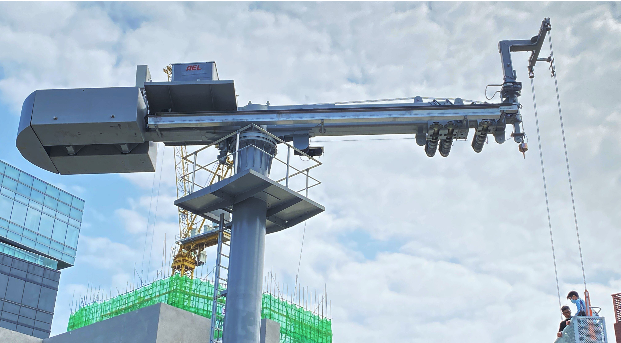
Mobile elevating work platforms provide another practical option for elevated work. Scissor lifts can provide vertical access through a platform that allows workers to operate at an elevated position. Boom lifts can offer additional reach, making them useful when the work area is located beyond an obstacle or away from the machine’s base. These machines can be particularly useful for construction, facility maintenance, electrical work, lighting maintenance, and exterior building activities. However, their operation requires attention to ground conditions, overhead hazards, weather, surrounding structures, and equipment limitations. Operators should be properly trained and familiar with the specific machine they are using. Before operation, equipment should be inspected and the work area should be assessed to identify conditions that could affect safe operation.
Rope Access for Difficult-to-Reach Locations
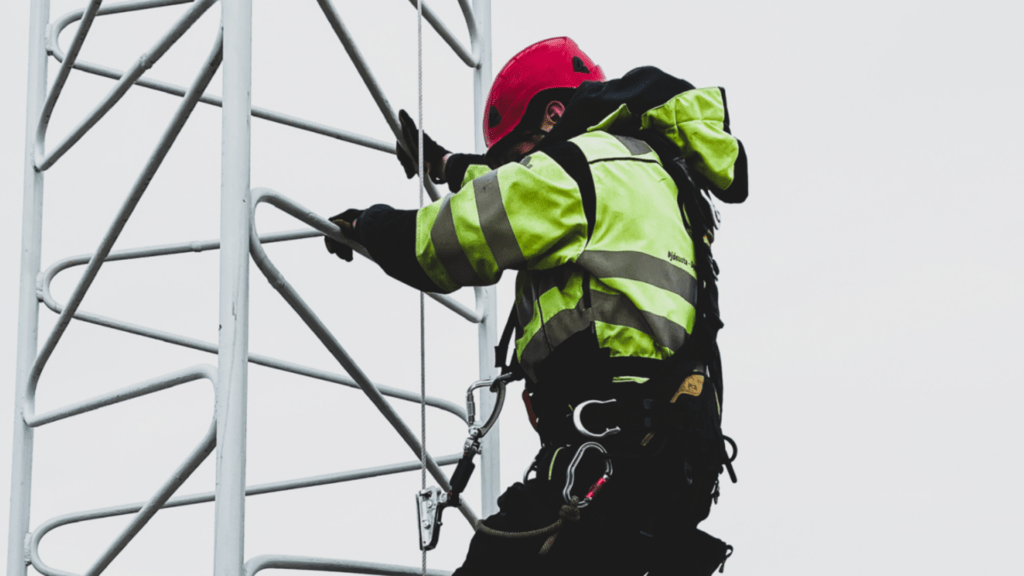
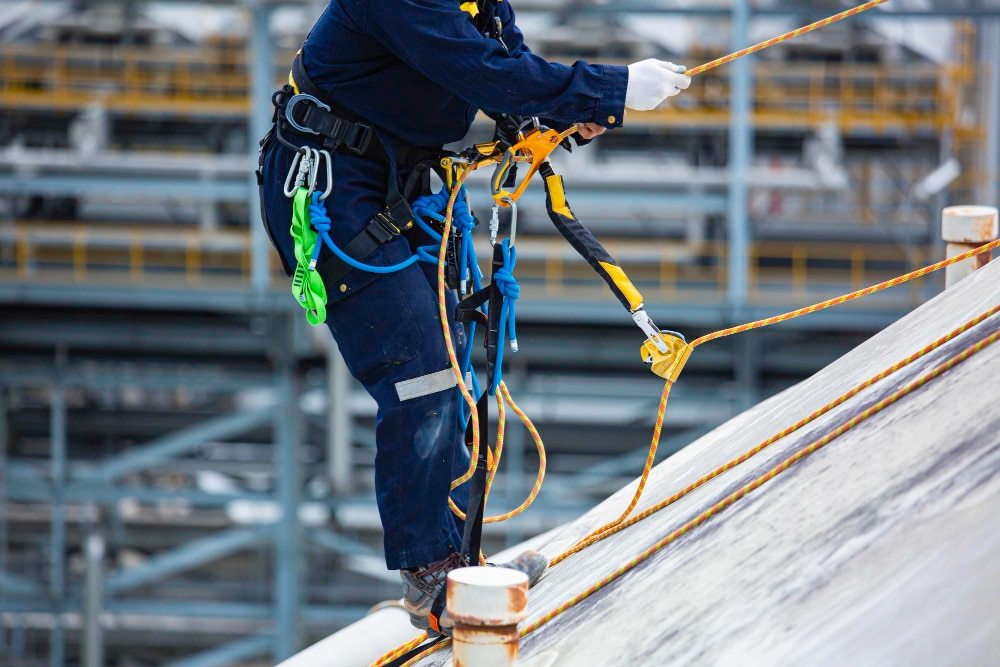
Some elevated work areas cannot be reached efficiently with scaffolding or mobile platforms. Rope access can provide an alternative for specially trained technicians working in locations such as high-rise facades, industrial structures, towers, and restricted spaces. The method uses specialized rope systems and equipment to allow technicians to move into difficult positions while performing inspection, cleaning, maintenance, repair, or installation work. One of its potential advantages is reduced reliance on large temporary structures or access machinery in locations where these options may be impractical. Rope access is a specialized activity, however, and should only be performed by workers with appropriate training and competency. Anchor systems, ropes, connectors, harnesses, and other equipment must be suitable for the application and properly inspected. A suitable rescue plan is also an important part of preparing for specialized rope access activities.
Fixed Access Systems for Permanent Requirements
Not every access requirement is temporary. Some buildings and industrial facilities need permanent routes to elevated areas that workers access regularly. Fixed ladders, vertical access systems, walkways, platforms, stairs, and other permanent structures can provide controlled access to rooftops, machinery, service areas, and elevated platforms. These systems can be particularly valuable when maintenance personnel need repeated access to the same location. A permanent access solution may also reduce the need to repeatedly install temporary equipment. Design considerations should include the structure, frequency of use, user requirements, surrounding hazards, and applicable safety standards. Regular inspection and maintenance remain important even after a permanent access system has been installed. A well-planned fixed system can become an integral part of a facility’s long-term maintenance strategy.
The Role of Fall Protection in Height Access
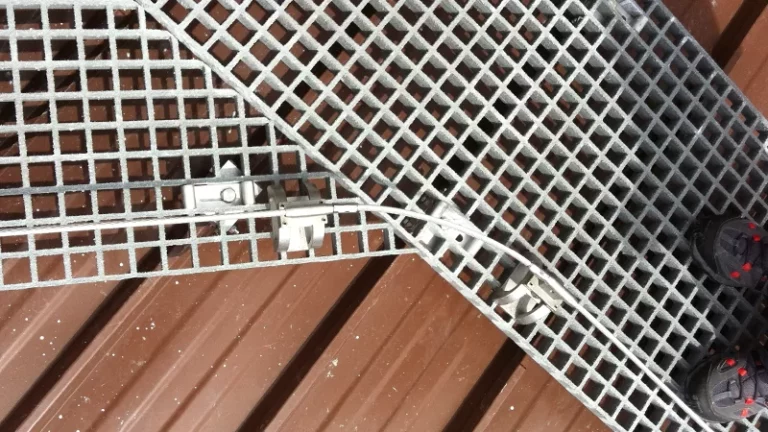
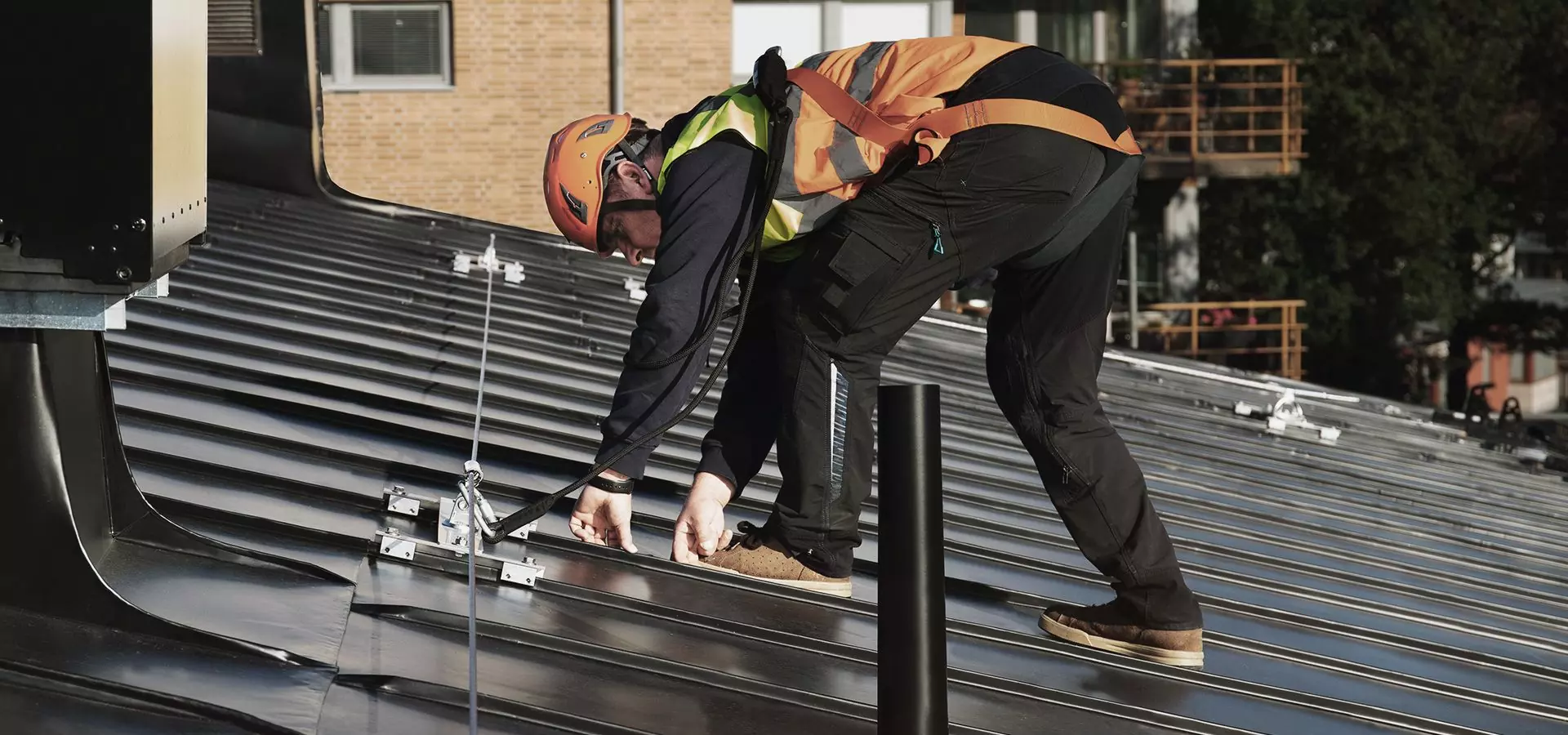
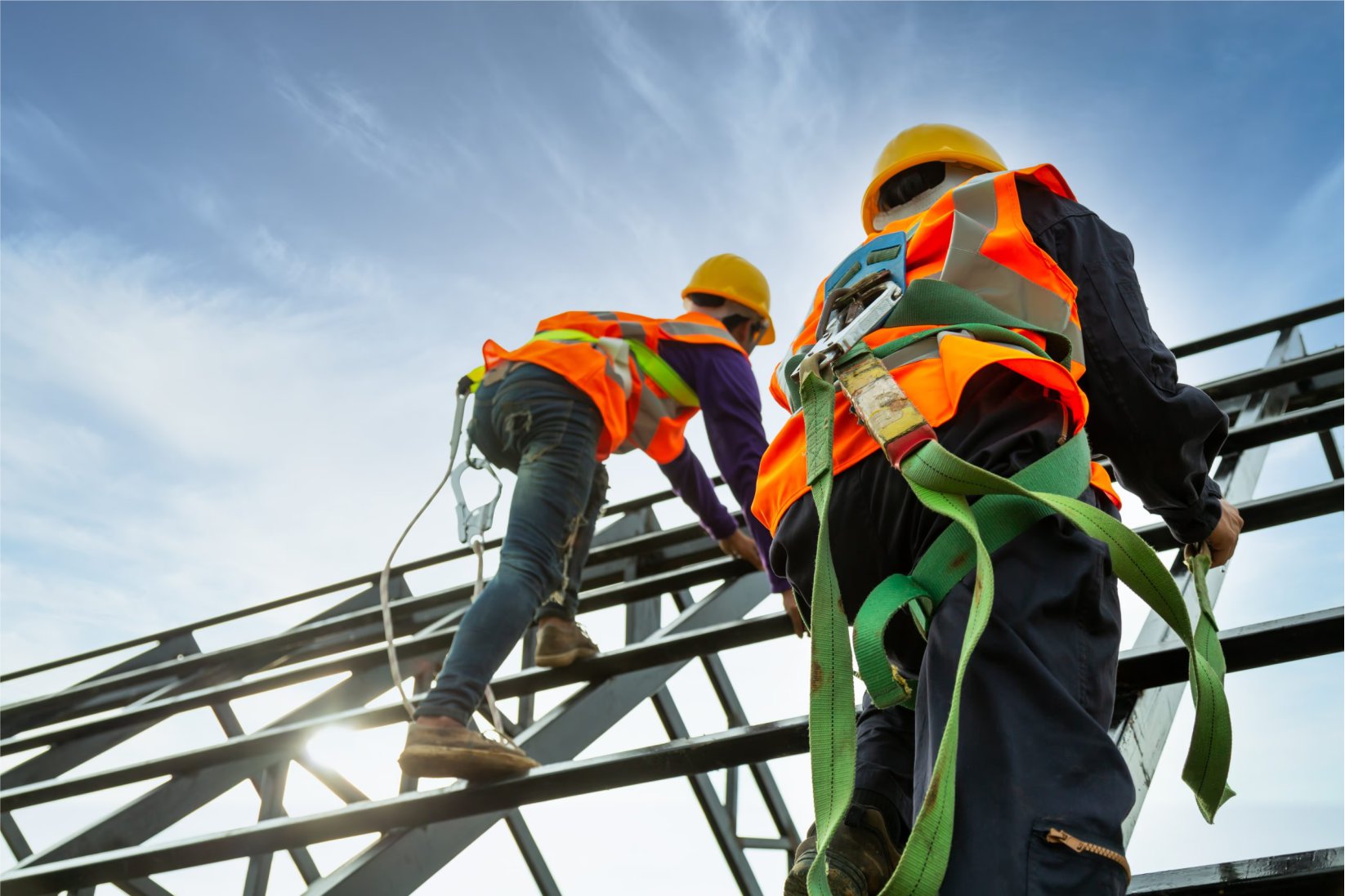
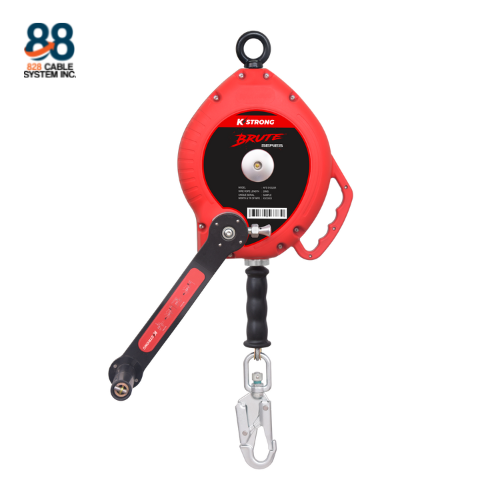
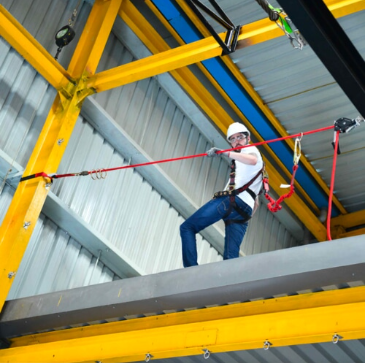
Access and fall protection should be considered together when planning elevated work. An access system may help a worker reach a roof, platform, tower, or facade, but additional controls may be required to address fall hazards while the worker performs the task. Depending on the application, fall protection may involve harnesses, lanyards, lifelines, anchor points, self-retracting devices, guardrails, or other suitable systems. The equipment must be selected according to the specific work environment and used as intended. Workers should understand how the system operates before beginning the task. Anchor points and supporting structures must also be appropriate for the application and properly assessed. Treating fall protection as an integral part of height access planning can help create a more complete approach to elevated work safety.
Weather Considerations for Elevated Work in the Philippines
Weather conditions can have a significant effect on outdoor height access activities. The Philippines experiences periods of intense heat, heavy rainfall, strong winds, and tropical weather that can change working conditions quickly. Wet surfaces may become slippery and can affect worker footing, while strong winds can create additional challenges for elevated activities and equipment operation. High temperatures can also contribute to worker fatigue, particularly during physically demanding outdoor tasks. Project teams should monitor weather conditions before and throughout an elevated work activity. Work should be reassessed when environmental conditions change beyond acceptable limits for the equipment or task. Including weather monitoring in the height access plan can help teams make better decisions about when elevated activities should proceed or be temporarily stopped.
Safety Planning Before Work Begins
Good height access practices start before workers leave the ground. A detailed assessment should identify the location of the work, access requirements, fall hazards, equipment needs, environmental conditions, and emergency procedures. Workers should understand the planned access method and the hazards associated with their assigned tasks. Equipment should be inspected before use, and damaged or unsuitable components should not be placed into service. Supervisors should verify that workers have the necessary training and that procedures are being followed. Communication is also important when multiple workers or teams are operating around elevated areas. Taking time to plan the activity can help prevent rushed decisions and reduce dependence on improvised solutions.
Inspection and Maintenance of Height Access Equipment
Equipment used for elevated work must be maintained in a condition suitable for its intended purpose. Frequent use can expose ropes, harnesses, connectors, ladders, platforms, and mechanical equipment to wear and environmental damage. Workers should look for visible problems such as cuts, fraying, corrosion, cracks, deformation, missing components, or other signs of deterioration. Equipment should also be stored appropriately to minimize exposure to conditions that could accelerate damage. Manufacturers’ inspection and maintenance instructions should be followed for applicable equipment. Organizations should maintain suitable records to help track inspections and maintenance activities. Consistent equipment management can reduce the likelihood of relying on defective or unsuitable access equipment during critical work.
Training and Worker Competency
Safe equipment use depends heavily on worker knowledge and practical competency. Employees should understand the hazards associated with their tasks and know how to use the access equipment provided to them. Training can cover equipment inspection, proper operation, positioning, access procedures, fall protection, hazard recognition, and emergency response. Specialized systems such as rope access require additional technical knowledge and practical training. Employers should also consider refresher training when equipment, work environments, or procedures change. Supervisors should monitor work practices and intervene when unsafe behavior or conditions are identified. Building worker competency helps organizations get greater value from their height access systems while promoting safer work practices.
Applications of Height Access Philippines Solutions
Height access solutions have applications across many sectors in the Philippines. Construction contractors may use them for building installation, structural work, painting, renovation, and exterior maintenance. Commercial property managers may require access to facades, rooftops, windows, signs, lighting systems, and mechanical equipment. Industrial facilities can use specialized access methods for equipment inspection, tank maintenance, pipework, structural inspection, and repairs. Telecommunications companies may need solutions for towers, antennas, cables, and elevated equipment. Warehouses may also require access for lighting, roofing, ventilation, and high-level maintenance tasks. Understanding the application helps organizations select an access method that provides appropriate reach without creating unnecessary complications.
Advantages of Professional Height Access Services
Professional height access services can be valuable when a project involves complex structures or specialized equipment. Experienced providers can assess the site and recommend access methods based on the actual working conditions. They may also provide trained personnel who understand specialized equipment and elevated work procedures. This can be particularly useful when a business does not have the internal expertise or equipment required for a specialized task. Professional services can also help reduce the temptation to use unsuitable ladders, makeshift platforms, or other improvised methods. Efficient access planning may help reduce disruption to building occupants, production activities, or other operations. For challenging projects, professional assistance can provide an additional level of technical knowledge and planning support.
How Businesses Can Select a Height Access Provider
Choosing a provider requires more than comparing prices. Businesses should evaluate the provider’s experience with similar projects, types of equipment, worker competency, inspection practices, and safety procedures. It is useful to determine whether the provider understands the specific environment where the work will take place. Companies should also ask how equipment is maintained and how project-specific hazards are assessed. Communication should be clear regarding work schedules, responsibilities, equipment requirements, and site restrictions. A provider should be able to explain why a particular access method is appropriate for the project rather than simply offering a generic service. Careful provider selection can help businesses establish a more organized and dependable approach to elevated work.
FAQ About Height Access Philippines
What is height access?
Height access refers to methods, equipment, and systems used to allow workers to reach elevated or difficult-to-access areas. These can include scaffolding, ladders, mobile elevating work platforms, rope access, fixed access systems, and related fall protection equipment. The appropriate method depends on the worksite and task.
What industries need height access solutions?
Construction, property management, industrial manufacturing, telecommunications, commercial facilities, warehouses, infrastructure maintenance, and building services can all require height access. Any organization responsible for maintaining elevated structures or equipment may need a suitable access strategy.
Is height access only needed for high-rise buildings?
No. Height access can be required at relatively modest elevations as well as on high-rise structures. A warehouse ceiling, industrial platform, rooftop, machinery area, or elevated service area can present access challenges even when the overall height is not extreme.
What is the safest height access method?
There is no single method that is automatically appropriate for every situation. The safest approach depends on the task, height, environment, equipment, worker competency, and identified hazards. A site assessment should be completed before selecting the access method.
When should rope access be considered?
Rope access may be considered when workers need to reach difficult areas that are impractical or inefficient to access using scaffolding or mobile platforms. It requires appropriately trained personnel, suitable equipment, secure anchor arrangements, and appropriate rescue procedures.
How can businesses improve height access safety?
Businesses can improve safety by conducting risk assessments, selecting appropriate equipment, training workers, inspecting equipment, monitoring weather conditions, establishing emergency procedures, and providing competent supervision. These measures should be integrated into the overall work plan.
Why should businesses hire professional height access providers?
Professional providers can offer specialized equipment, trained personnel, planning experience, and knowledge of elevated work environments. This can be especially useful for complex structures or tasks that require specialized access methods. Professional assistance may also help organizations avoid unsuitable or improvised access arrangements.
Takeaway
Effective height access is about creating a controlled and appropriate way for workers to reach elevated work areas. The right solution depends on the structure, task, height, environment, duration, equipment requirements, and worker competency. Scaffolding can provide stable working platforms, while mobile elevating work platforms can offer flexible positioning for suitable tasks. Rope access can provide an efficient option for difficult locations when performed by properly trained technicians. Fixed access systems can address recurring access requirements, while fall protection systems can help manage hazards associated with elevated work. For businesses seeking height access Philippines solutions, careful planning and professional guidance can make a significant difference in the safety and efficiency of their projects. By evaluating access requirements before work begins and selecting equipment based on actual site conditions, organizations can create a more reliable approach to working at height.