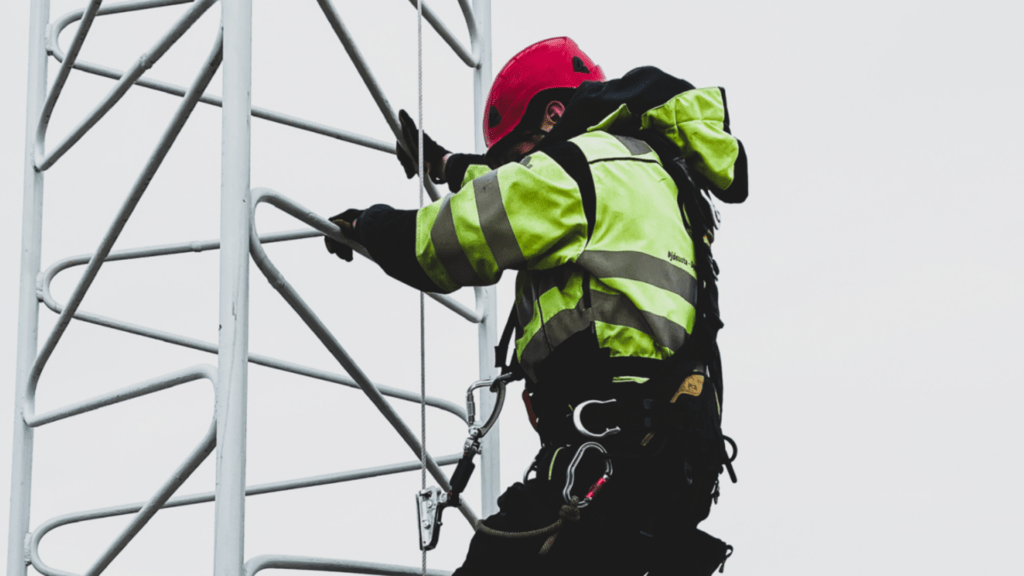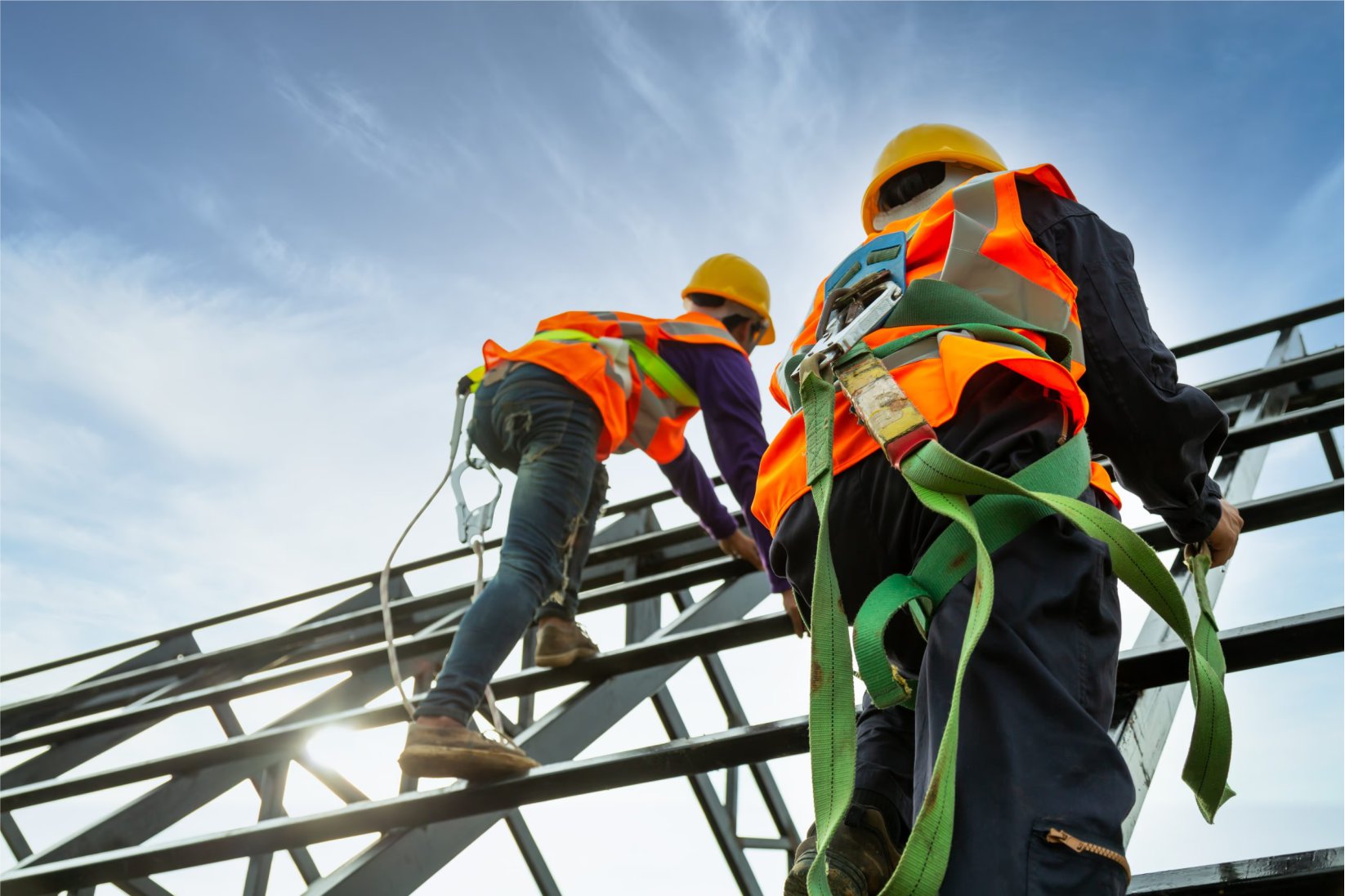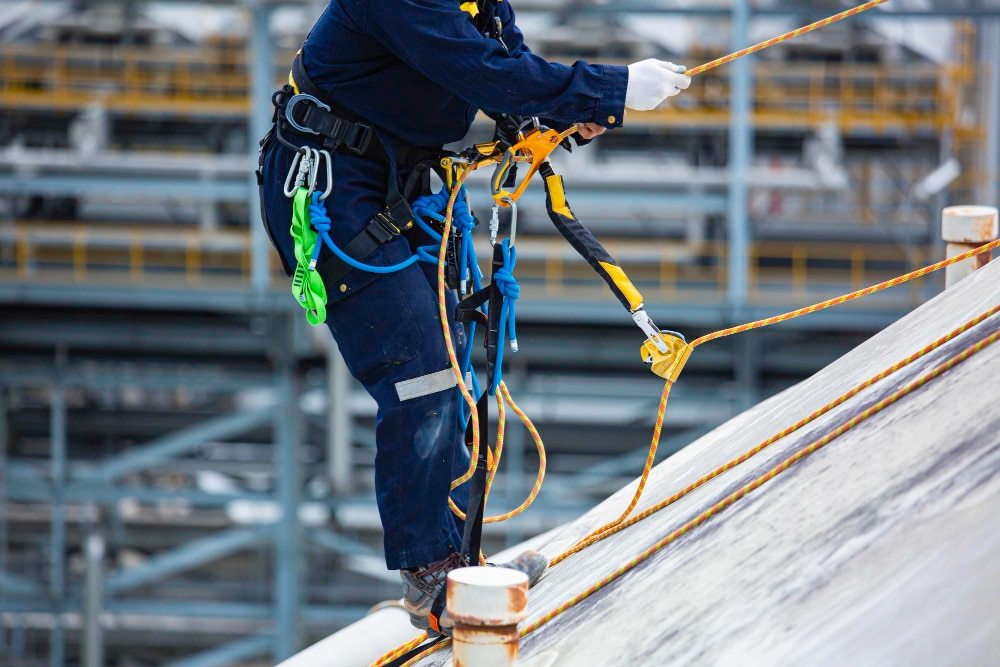
Working at elevated locations presents serious safety challenges for construction crews, maintenance professionals, industrial workers, and other personnel who perform tasks above ground level. A moment of imbalance, equipment failure, or unexpected movement can quickly create a dangerous fall situation. Proper fall protection equipment helps organizations manage these hazards while allowing workers to perform their responsibilities with greater confidence. Among the equipment used for personal fall protection, self-retracting lanyards are valued for their ability to provide controlled movement while reducing unnecessary lifeline slack. Organizations searching for a self-retracting lanyard philippines option should look beyond basic product availability and consider equipment specifications, application requirements, anchorage, inspection procedures, and worker training. The right equipment should complement a properly planned fall protection system rather than serve as a standalone safety measure. Understanding how SRLs operate and how to select, use, inspect, and maintain them can help businesses develop better work-at-height practices.
What Is a Self-Retracting Lanyard?
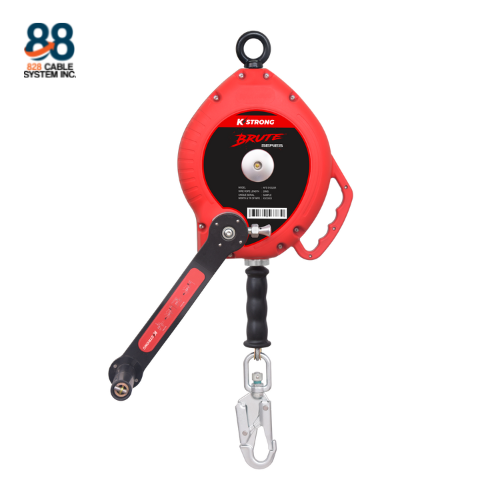
A self-retracting lanyard, commonly referred to as an SRL, is a fall protection device designed to connect a worker to an appropriate anchorage system. Unlike a conventional fixed-length lanyard, an SRL automatically adjusts the length of its lifeline as the worker moves. The lifeline extends when the worker moves away from the device and retracts when the worker moves closer. This movement allows the worker to operate within the equipment’s approved range while helping minimize excess slack. Many SRLs incorporate an internal braking mechanism designed to respond when rapid lifeline movement indicates a fall. The device is typically used with a compatible full-body harness and an appropriate anchorage point. Since different SRLs have different specifications and limitations, users should always follow the manufacturer’s instructions for the exact equipment being used.
Why SRLs Are Important for Work-at-Height Safety
Falls from elevated areas can result in severe injuries, property damage, work interruptions, and significant operational consequences. Construction sites, factories, warehouses, commercial buildings, and maintenance locations can all contain situations where workers are exposed to fall hazards. Traditional methods of movement may not provide sufficient protection when employees need to move around elevated work areas. An SRL can offer a controlled connection while giving workers more movement than some fixed-length configurations. The automatic retraction feature can help reduce loose lifeline material that could interfere with movement or work activities. However, an SRL does not remove the need for proper hazard assessment, anchorage planning, clearance evaluation, and worker training. Employers should view retractable fall protection equipment as part of a broader workplace safety program.
How Self-Retracting Lanyards Operate
The basic operation of an SRL involves a lifeline housed inside a protective casing. The lifeline is connected to a worker through an approved connector and compatible harness attachment point. When the worker moves away from the anchorage, the lifeline extends from the housing to accommodate the movement. As the worker returns toward the anchorage, the mechanism retracts the lifeline. This automatic adjustment helps keep the connection controlled during ordinary movement. If the system detects rapid lifeline movement associated with a fall, its braking mechanism is designed to activate and limit the fall according to the device’s rated performance. Because the equipment depends on specific mechanical and installation conditions, it must be used according to the manufacturer’s instructions and operating limitations.
Main Parts of an SRL
Understanding the basic components of a self-retracting lanyard makes it easier for workers and procurement teams to evaluate equipment. The housing protects the internal mechanism from workplace exposure and physical damage. The lifeline is stored inside the housing and may consist of webbing or cable depending on the product design. A retraction mechanism controls the extension and return of the lifeline during normal worker movement. The braking system is responsible for engaging when rapid lifeline movement is detected. The connector at the end of the lifeline provides the attachment to the appropriate harness or anchorage point depending on the equipment configuration. Some models may include swivel features designed to support worker movement and reduce twisting. Every component has an important role, so the entire device should be inspected rather than checking only the visible lifeline.
Different SRL Configurations
Self-retracting lanyards are available in different configurations to address different work environments and operating requirements. Compact models may be convenient for applications where workers need relatively lightweight equipment. Longer models can provide additional movement, although increased lifeline length may require more careful assessment of clearance and positioning. Web-based systems can offer flexibility for certain applications, while cable-based systems may be selected for environments requiring particular durability characteristics. Some SRLs are designed for specific positioning or anchorage arrangements and should only be used according to their stated application. The presence of a retractable mechanism does not automatically mean that a particular model is appropriate for every workplace. Buyers should examine the manufacturer’s specifications, capacity, lifeline length, connection configuration, environmental limitations, and approved uses. Selecting equipment according to the actual work environment is more important than choosing a model based solely on size or price.
How to Select a Self-Retracting Lanyard Philippines Businesses Can Rely On
Selecting the right equipment starts with understanding the specific fall hazards present at the workplace. Employers should determine how high workers will operate, how far they need to move, and where appropriate anchorage points are available. The SRL’s rated capacity should be suitable for the intended user and equipment configuration. Lifeline length should also be appropriate because having a longer connection does not necessarily provide better protection. Environmental conditions such as rain, humidity, dust, heat, chemicals, and outdoor exposure should be considered when selecting equipment. Businesses should review product documentation and verify that the equipment is compatible with the full-body harness and anchorage system being used. Inspection and maintenance requirements should also be understood before purchasing the equipment. A dependable self-retracting lanyard philippines solution should therefore be selected through a complete evaluation of the workplace rather than through a simple product comparison.
SRL Compared With Fixed-Length Lanyards
Both self-retracting and fixed-length lanyards can have a place in fall protection systems. A fixed-length lanyard maintains a predetermined connection length, which may work well for certain applications where worker movement is limited. An SRL automatically adjusts its lifeline length as the worker changes position. This can provide greater mobility within the approved operating range and may reduce the amount of unused lifeline. Fixed-length systems can be straightforward to understand and configure for specific tasks, while SRLs may offer greater flexibility in other applications. Neither option should be selected without considering anchorage, fall clearance, worker movement, and the characteristics of the task. Workers should receive training on the specific equipment they are expected to use. The appropriate choice depends on the hazards, work environment, equipment specifications, and overall fall protection plan.
Proper SRL Use on the Job
Correct equipment use begins before a worker reaches the elevated work area. Workers should inspect the SRL and related components for visible damage, excessive wear, corrosion, cuts, fraying, broken stitching, deformation, or other abnormalities. The equipment should be attached only to connection points specified by the manufacturer. Workers should avoid creating unnecessary hazards by routing the lifeline over sharp edges or exposing it to conditions outside its rated application. The SRL should not be modified, dismantled, tied off incorrectly, or combined with incompatible components. Workers should also maintain appropriate positioning and remain aware of the available clearance below them. If the equipment has been involved in a fall, it should be removed from service and handled according to the manufacturer’s instructions. Consistent training and supervision help ensure that workers understand these requirements before relying on the equipment during elevated tasks.
Inspecting Self-Retracting Lanyards
Inspection is an essential part of managing fall protection equipment. A worker should conduct a pre-use inspection before each shift or use according to the organization’s procedures and manufacturer’s instructions. The inspection should cover the lifeline, housing, connectors, attachment points, labels, stitching, and visible hardware. Webbing should be checked for cuts, burns, fraying, chemical damage, excessive wear, or other deterioration. Cable systems should be examined for broken wires, corrosion, kinks, deformation, or other damage. The housing and connectors should also be checked for cracks, deformation, missing parts, or unusual conditions. Functional checks should only be performed according to the manufacturer’s specified procedure. Any equipment showing signs of damage or abnormal operation should be removed from service until it has been properly evaluated.
Maintenance and Storage Requirements
Good maintenance practices can help organizations preserve the condition of their fall protection equipment. SRLs should be kept clean and stored in conditions consistent with the manufacturer’s recommendations. Excessive moisture, chemicals, heat, sunlight, dirt, and physical impact can potentially affect equipment condition. Workers should avoid placing heavy objects on retractable devices or storing them where they can be crushed or damaged. Cleaning procedures should follow manufacturer guidance because inappropriate cleaning products can damage certain materials. Repairs should only be performed by an authorized or otherwise appropriately qualified party when required by the manufacturer. Employers should maintain inspection and equipment records as part of their safety management practices. Proper storage and maintenance also make it easier to identify equipment that needs evaluation, servicing, or replacement.
Anchorage and Connection Considerations
The effectiveness of an SRL depends heavily on how and where it is connected. The anchorage must be appropriate for the intended fall protection application and capable of supporting the required loads according to applicable requirements. Workers should never assume that a nearby pipe, railing, beam, or structural feature is automatically an approved anchorage. The anchorage position can influence worker movement and the possibility of a swing fall. A poorly positioned anchorage may increase the distance a worker travels before being arrested or create an impact hazard with nearby structures. Employers should evaluate the anchorage arrangement before work begins rather than leaving workers to determine connections at the job site. Compatible connectors should also be used to ensure that the system components function together as intended. When anchorage requirements are uncertain, qualified safety professionals should provide appropriate technical guidance.
Understanding Fall Clearance
Adequate clearance is an essential consideration when using fall protection equipment. Workers need enough unobstructed space below them to prevent contact with lower levels or nearby structures during a fall. The required clearance can depend on the SRL model, anchorage location, worker position, connection arrangement, and other factors. Users should consult the manufacturer’s specifications rather than relying on assumptions about how quickly the device will arrest a fall. Swing-fall exposure should also be considered when a worker moves horizontally away from the anchorage. The worker could potentially swing toward a wall, structural member, platform, or other obstruction after a fall. Employers should assess the entire working area and identify potential impact hazards before work begins. Careful anchorage positioning and proper work planning can help reduce unnecessary fall exposure.
Applications Across Philippine Industries
Self-retracting lanyards can be useful in many industries when selected and configured correctly. Construction companies may use suitable SRLs for workers performing tasks around elevated structures and platforms. Building maintenance teams may require fall protection when inspecting roofs, maintaining building equipment, or performing elevated repairs. Industrial facilities can have elevated machinery areas, platforms, walkways, and maintenance locations where controlled worker movement is important. Warehouses may have elevated maintenance activities or access areas that require appropriate fall protection. Contractors may also use SRLs for installation and inspection work where workers need mobility within a controlled area. Each workplace should be assessed individually because environmental and operational conditions can vary significantly. Proper equipment selection, anchorage, clearance, training, and inspection should remain part of every application.
Training Workers to Use SRLs Correctly
Fall protection equipment is only effective when workers know how to use it properly. Training should explain the purpose of the SRL, its components, connection requirements, inspection procedures, and operating limitations. Workers should also understand how anchorage location affects their movement and potential fall exposure. Practical training can help employees become familiar with connecting the equipment and checking its condition before performing elevated work. Refresher training can reinforce proper procedures and address changes in equipment, tasks, or workplace conditions. Supervisors should monitor work practices and correct unsafe behavior when necessary. Workers should be encouraged to report damaged equipment or unclear procedures immediately. Building strong worker awareness helps ensure that fall protection equipment is treated as an essential part of safe work rather than an item that is used only when convenient.
Choosing a Supplier for Self-Retracting Lanyard Philippines Requirements
Finding the right supplier is an important part of building a reliable fall protection program. Buyers should look for suppliers that provide detailed technical specifications and clear information about equipment limitations. Product documentation should explain important details such as capacity, lifeline length, compatible connections, inspection requirements, and approved applications. A knowledgeable supplier can also help procurement teams understand differences between available SRL models. Businesses may benefit from suppliers that offer technical assistance, inspection support, training resources, and after-sales service. Product quality should be evaluated alongside cost because the cheapest option may not be the most appropriate for the workplace. Buyers should involve safety personnel when selecting equipment for complex or high-risk applications. A reliable self-retracting lanyard philippines supplier should support informed purchasing decisions rather than simply focusing on product sales.
Product Standards and Documentation
Documentation provides important information that helps users understand how fall protection equipment should be used. Buyers should review manufacturer instructions, product labels, specifications, rated capacity, lifeline length, and inspection procedures. Certification and compliance information should also be evaluated according to the requirements applicable to the intended workplace. Product labels should remain readable because they may contain identification information and operating limitations. Employers should maintain appropriate records for inspection, maintenance, and equipment tracking. Workers should have access to the instructions relevant to the equipment they use. When technical requirements are difficult to interpret, organizations should obtain guidance from qualified safety professionals. Good documentation supports consistent equipment management and helps prevent improper use caused by missing or misunderstood information.
Creating a Complete Fall Protection System
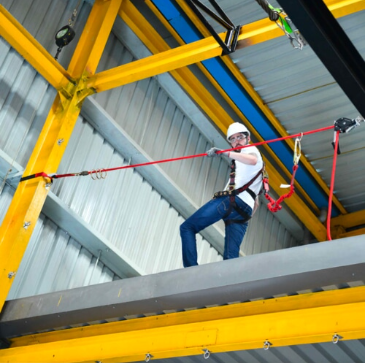
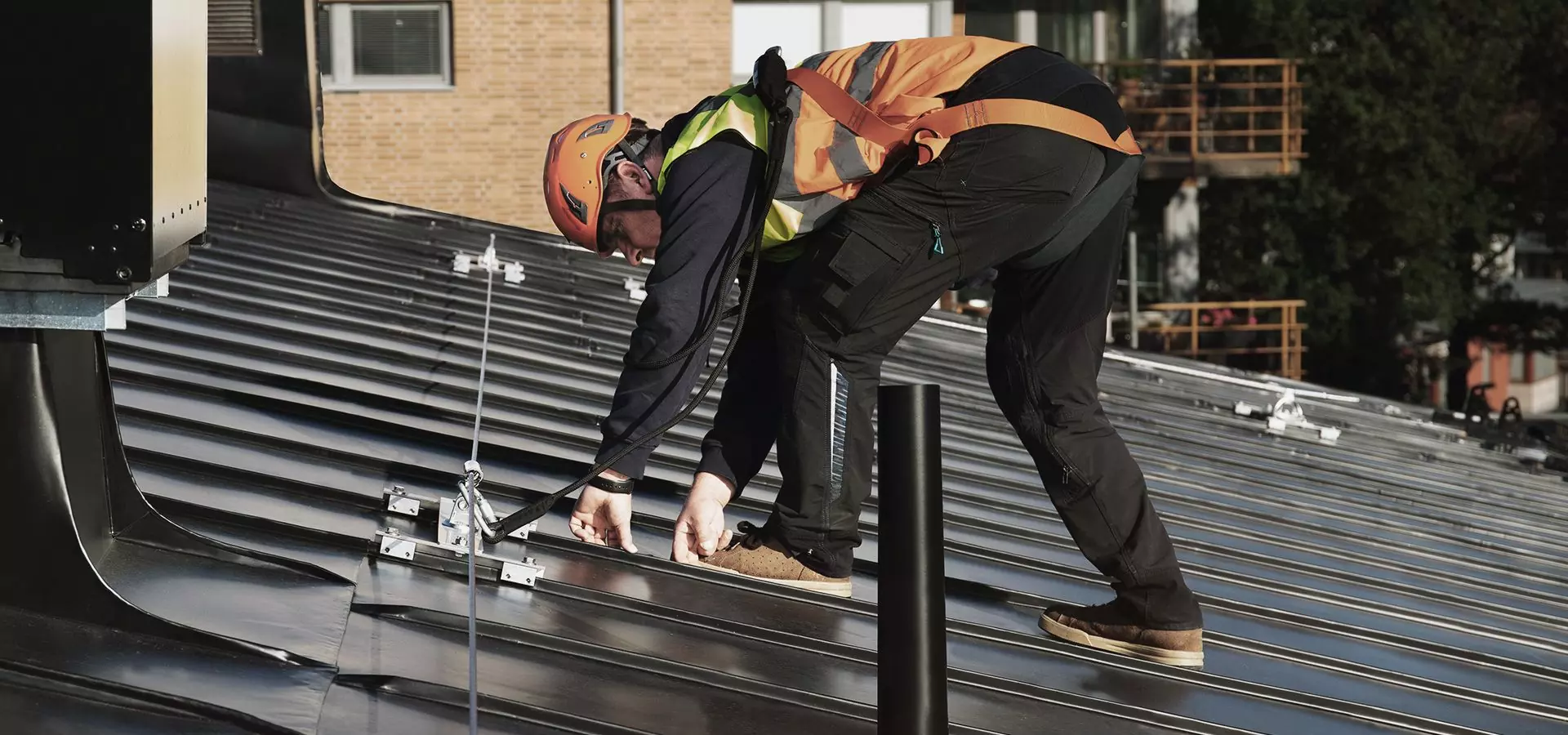
A self-retracting lanyard should always be considered within the context of a complete fall protection system. Other components may include a full-body harness, anchorage, connectors, equipment inspection procedures, training, and emergency rescue planning. Every component must be compatible with the others and appropriate for the specific task. Employers should identify fall hazards before selecting equipment and determine whether workers can safely perform the task using the proposed system. Fall clearance, swing-fall hazards, nearby structures, and environmental conditions should all be considered. A rescue plan is also important because a worker who has experienced a fall may require prompt assistance. Workers should understand how all parts of the system work together rather than focusing only on the SRL. A coordinated approach allows organizations to manage elevated work more systematically and responsibly.
FAQ About Self-Retracting Lanyard Philippines
What is a self-retracting lanyard used for?
A self-retracting lanyard is used as part of a personal fall protection system for workers exposed to fall hazards. It provides a retractable connection between the worker and an appropriate anchorage arrangement. The lifeline extends and retracts as the worker moves. Many models include a braking mechanism designed to respond to sudden lifeline movement. The device is commonly used with a compatible full-body harness. Its exact application depends on the manufacturer’s specifications and workplace requirements. Proper training and inspection are essential before relying on the equipment.
Are self-retracting lanyards suitable for construction work?
SRLs can be suitable for construction applications when the selected model is specifically appropriate for the work being performed. Construction sites can have changing hazards, different anchorage locations, and varying environmental conditions. Workers should evaluate the equipment’s capacity, lifeline length, connection requirements, and environmental limitations. Anchorage and fall clearance should also be assessed before work begins. Workers need training on proper use and inspection. The equipment should be used only within its manufacturer’s stated application. Employers should reassess fall protection arrangements as construction conditions change.
What is the difference between an SRL and a regular lanyard?
A regular fixed-length lanyard maintains a predetermined length between the worker and the anchorage. An SRL automatically extends and retracts its lifeline as the worker moves. This can provide greater mobility within the equipment’s approved working range. The retractable design can also help manage excess slack. However, SRLs have their own application limitations and should not automatically be considered suitable for every situation. The correct choice depends on the task, anchorage, fall clearance, and equipment specifications. Workers should be trained on whichever system they are expected to use.
How should an SRL be inspected?
The SRL should be inspected before use according to workplace procedures and manufacturer instructions. Workers should check the lifeline, housing, connectors, labels, stitching, and visible hardware. They should look for cuts, abrasion, corrosion, deformation, fraying, contamination, or missing components. The retraction and locking functions should be checked using the manufacturer’s approved inspection method. Any equipment showing damage or unusual operation should be removed from service. Equipment involved in a fall should also be removed from service and evaluated according to the manufacturer’s requirements. Regular documented inspections can support better fall protection equipment management.
Can an SRL be used with any harness?
An SRL should only be used with a compatible harness and connection configuration specified or permitted by the manufacturer. Harnesses have different attachment points and designs, so workers should not assume that every harness is suitable for every SRL. The connection should be secure and appropriate for the intended fall protection application. Buyers should verify compatibility before combining equipment from different manufacturers or product lines. Manufacturer instructions should always be consulted when determining acceptable configurations. Proper training can also help workers recognize incorrect connections. Compatibility is an important part of building an effective fall protection system.
What should businesses consider when buying an SRL in the Philippines?
Businesses should first identify their workplace hazards and the tasks workers will perform. They should then evaluate lifeline length, rated capacity, anchorage requirements, environmental suitability, connection type, and manufacturer specifications. Documentation and applicable certification information should also be reviewed. The equipment should be compatible with existing harnesses, connectors, and anchorage systems. Supplier support, inspection services, training resources, availability, and after-sales assistance may also influence the purchasing decision. Cost is important, but suitability and reliability should remain major priorities. A carefully selected self-retracting lanyard philippines solution should address the actual requirements of the workplace.
Takeaway
A self-retracting lanyard can provide valuable mobility and controlled lifeline management for workers performing tasks at height. Its retractable design allows the lifeline to adjust as workers move while its internal braking mechanism can respond to sudden movement according to the equipment’s design. However, choosing an SRL should never be separated from the rest of the fall protection planning process. Employers need to consider anchorage, fall clearance, swing-fall hazards, compatibility, inspection, maintenance, training, and rescue procedures. Philippine businesses should select equipment based on actual workplace conditions and manufacturer specifications rather than relying only on price or convenience. Workers should be trained to inspect and use their equipment correctly and understand its limitations before starting elevated work. A carefully planned fall protection system can help organizations create safer working conditions while allowing employees to perform essential tasks with appropriate protection.