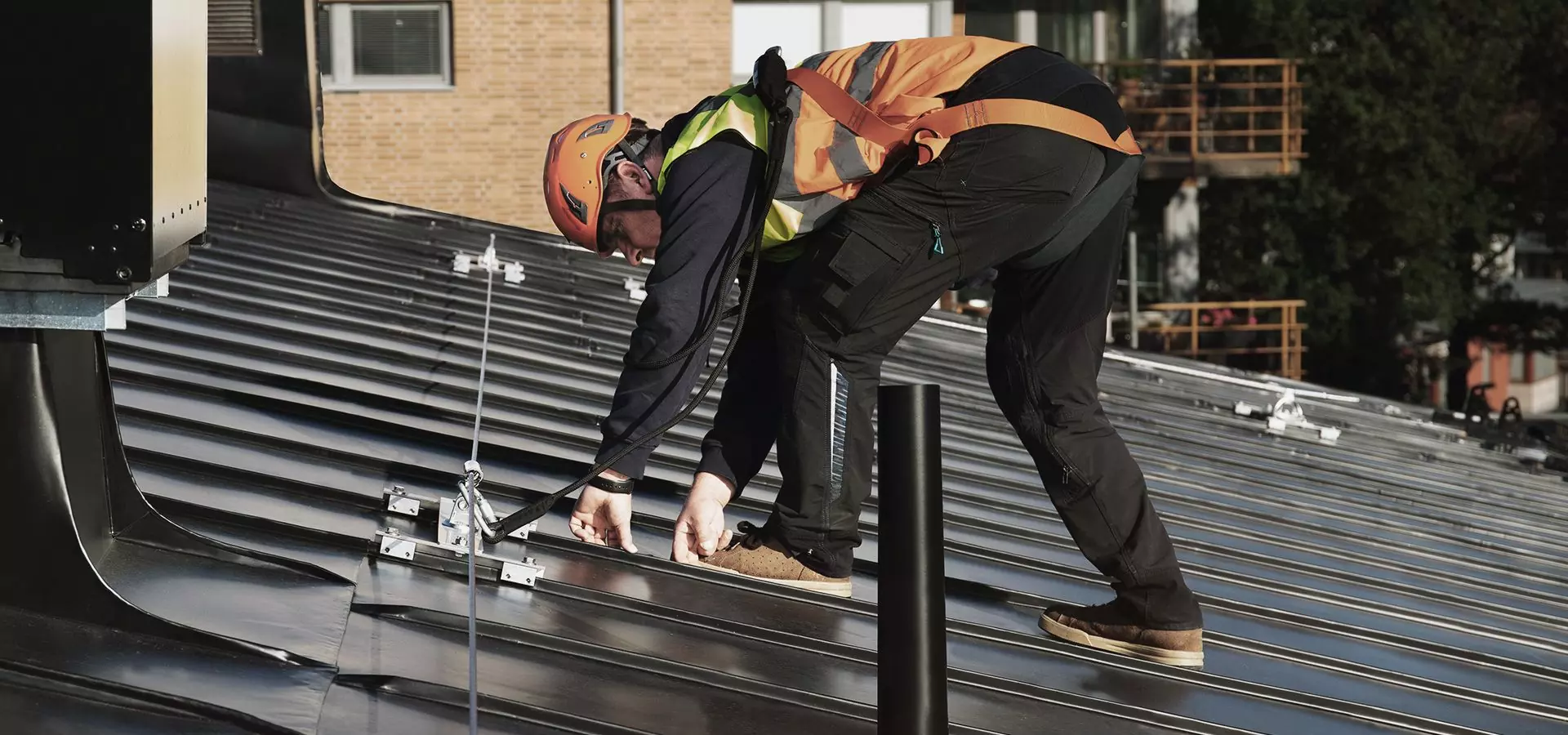
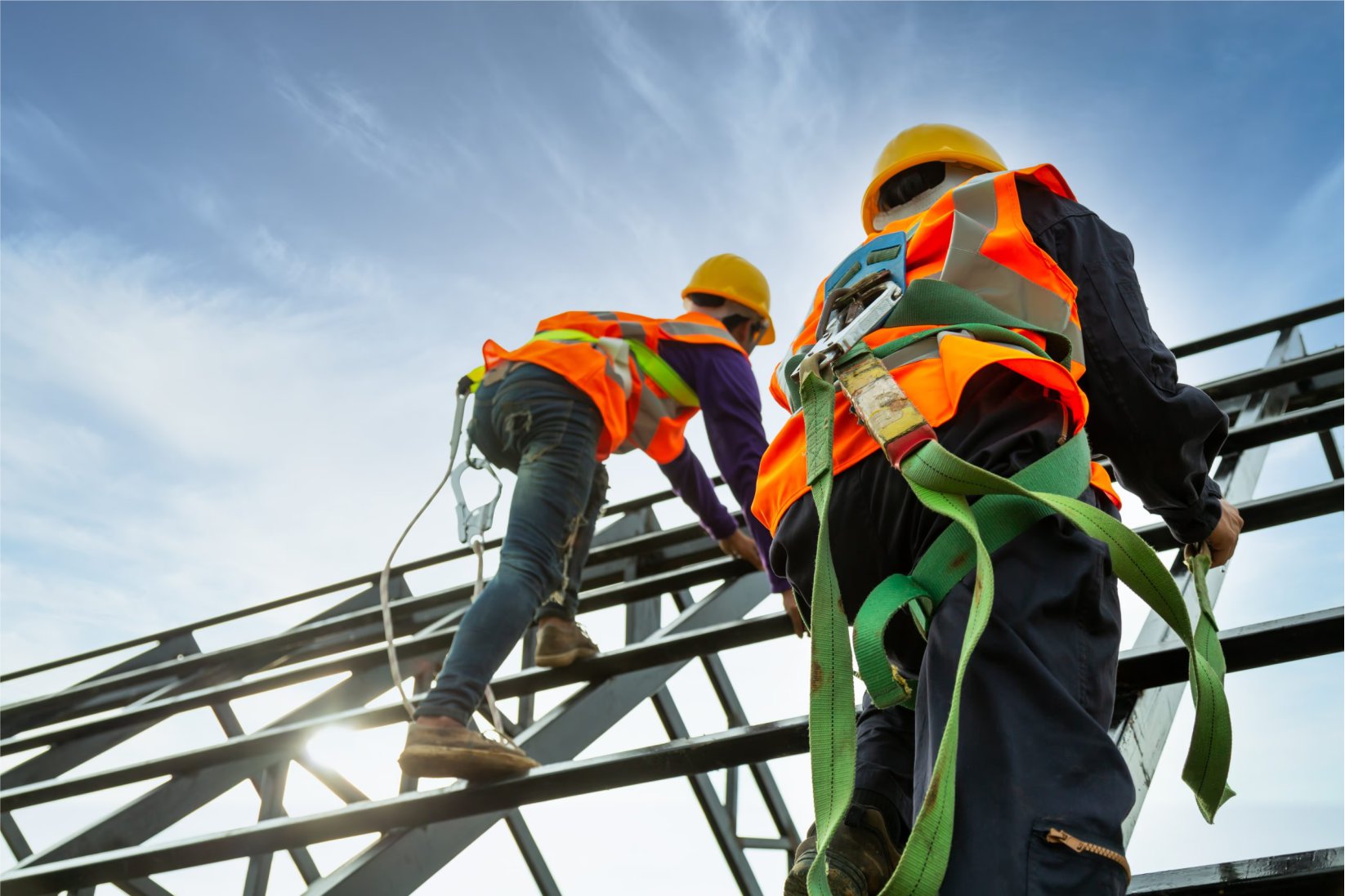
Working at height requires careful planning because even a routine maintenance task can expose workers to serious fall hazards. Construction crews, building maintenance personnel, industrial workers, and facility teams may regularly access roofs, platforms, towers, and elevated structures. A dependable Safety Line Philippines system can help provide a controlled connection for workers operating in these environments. However, selecting the right safety line involves more than finding equipment that appears durable or affordable. The system must be appropriate for the work activity, supporting structure, movement requirements, and surrounding conditions. Proper installation, compatible equipment, inspection, and worker training are also essential parts of effective fall protection. Understanding these factors can help organizations make better decisions when developing safer work-at-height procedures.
What Makes a Safety Line Important for Elevated Work
A safety line is designed to form part of a fall protection arrangement that keeps workers connected while they perform tasks where a fall hazard exists. Depending on its design, the system may allow workers to move horizontally, vertically, or along an overhead route while maintaining an appropriate connection. This can be particularly valuable when workers need to cover larger work areas without repeatedly disconnecting from their fall protection equipment. A properly selected system can help reduce exposure to unprotected edges and other elevated hazards. Safety lines may also support more organized access to roofs, structures, maintenance areas, and industrial facilities. However, a safety line should never be considered a standalone solution because effective protection depends on the entire system. The supporting structure, harness, connectors, installation method, inspection process, training, and rescue procedures all have an important role.
Understanding Different Safety Line Configurations
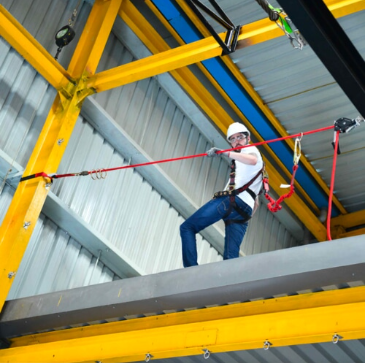
Different work environments require different types of safety line systems. Horizontal systems can be appropriate for applications where workers need to move across roofs, elevated walkways, platforms, or other extended surfaces. Vertical systems are generally intended for applications where workers travel upward or downward along structures such as ladders, towers, and access routes. Overhead systems can provide a connection above the worker and may be useful when employees need to move beneath an elevated lifeline. Temporary systems may be considered for short-duration projects when the equipment is specifically designed and approved for temporary installation. Permanent systems can provide ongoing protection for locations that require frequent access by maintenance or service personnel. Choosing the correct configuration requires an assessment of how workers move, where fall hazards exist, and how the system will interact with the supporting structure.
Industries That Can Benefit From Safety Line Systems
Many Philippine industries have work areas where employees may need to operate above ground level. Construction companies frequently encounter elevated work during roofing, structural installation, building construction, inspection, and maintenance. Property management and facility teams may need fall protection when accessing roofs, exterior structures, mechanical equipment, or building service areas. Industrial facilities can have elevated machinery, platforms, storage areas, and structural components that require regular inspection or servicing. Warehouses may also involve elevated maintenance activities involving lighting, ventilation systems, roof structures, and equipment. Telecommunications and infrastructure projects can involve workers accessing towers or other elevated structures where appropriate fall protection is necessary. A Safety Line Philippines system can be valuable across these applications when it is selected and installed according to the actual requirements of the worksite.
Factors to Consider Before Selecting a Safety Line
Choosing the right safety line should begin with a detailed understanding of the work being performed. The organization should identify the location of the fall hazards and determine how workers need to move through the area. The type of supporting structure should also be evaluated because not every roof, platform, beam, or structural surface is automatically suitable for an attachment system. The number of workers who may use the system should be considered when reviewing capacity and system specifications. Environmental conditions also deserve attention, especially for outdoor installations exposed to rain, humidity, heat, sunlight, and corrosion. Industrial environments may introduce additional factors such as chemicals, dust, oils, or other contaminants. Reviewing manufacturer specifications and obtaining professional guidance for complex applications can help ensure that the selected equipment is appropriate for its intended use.
Why Structural Compatibility Matters
The strength and condition of the supporting structure are critical considerations when installing a safety line. A high-quality lifeline cannot compensate for an unsuitable structural attachment point. Before installation, the proposed mounting locations should be evaluated according to the requirements of the system and the characteristics of the structure. Roof materials, structural framing, concrete surfaces, steel components, and other substrates may have different installation requirements. The location of the system should also be planned to reduce unnecessary exposure to fall hazards and allow workers to move safely through the intended work area. Potential fall clearance must be considered because the available distance below a worker can affect the suitability of a fall protection arrangement. For permanent installations, qualified professionals may need to evaluate the design, structural conditions, and installation method before the system is placed into service.
Combining Safety Lines With Other Fall Protection Equipment
A safety line normally works as part of a broader fall protection arrangement rather than operating independently. Workers may need a compatible full-body harness to provide the appropriate connection point for their personal fall protection equipment. Depending on the system, connectors, energy-absorbing devices, trolleys, ropes, cables, or other components may also be required. Every component should be compatible with the system and used according to manufacturer instructions. Physically connecting two pieces of equipment does not necessarily mean that they are approved for use together. Organizations should therefore verify compatibility before workers use the system. A properly coordinated combination of equipment can provide a more dependable approach to protecting workers during elevated activities.
Proper Installation Makes a Major Difference
Installation quality can have a direct impact on the performance of a safety line system. The equipment should be installed according to the manufacturer’s approved procedures and specifications. Anchor locations should be carefully planned rather than selected simply because they are convenient to access. The system should provide workers with an appropriate path of movement while minimizing hazards associated with edges, obstacles, and potential swing falls. Clearance below the worker should also be evaluated based on the complete fall protection configuration. Permanent systems may require technical assessment and installation by appropriately qualified personnel. Once installed, the system should be checked and documented before workers rely on it for routine elevated work.
Inspecting Safety Lines Before and During Use
Inspection is an important part of maintaining reliable fall protection equipment. Workers should check their equipment before use and look for signs such as cuts, abrasion, corrosion, deformation, broken components, loose connections, or other visible damage. Outdoor systems may require particular attention because repeated exposure to rain, humidity, sunlight, and changing temperatures can affect equipment over time. Industrial environments may also expose components to substances that can contribute to deterioration. Periodic inspections should be performed according to manufacturer recommendations and workplace procedures. Equipment involved in a fall, unusual loading event, or other potentially damaging incident should be removed from service until it has been properly evaluated. Maintaining inspection records can help safety managers track equipment condition and identify recurring maintenance concerns.
Mistakes That Can Reduce Safety Line Effectiveness
Even well-designed fall protection equipment can become less effective when workers or organizations use it incorrectly. One common mistake is choosing a system based primarily on cost without assessing whether it is suitable for the intended application. Another mistake is installing a safety line on a structure without confirming that the supporting attachment location is appropriate. Connecting incompatible equipment can also create problems that may not be obvious during normal use. Workers may overlook the importance of fall clearance or fail to recognize potential swing-fall hazards. Damaged or excessively worn equipment may also remain in service when it should have been removed and inspected. Avoiding these mistakes requires proper planning, equipment selection, installation, training, and regular inspection.
Training Workers to Use Safety Lines Correctly
Even the most advanced safety equipment requires knowledgeable users. Workers should receive appropriate training before using a safety line system on an active worksite. Training should cover equipment inspection, correct harness connection, proper movement, system limitations, and recognition of potential hazards. Employees should understand where and how they can safely move while connected to the system. They should also know what to do if equipment becomes damaged or if an unexpected situation occurs. Supervisors should reinforce site-specific requirements and make sure workers understand the procedures relevant to their assigned tasks. Refresher training can help maintain awareness when work conditions, equipment, responsibilities, or procedures change.
Planning for Fall Rescue and Emergencies
Fall protection planning should account for what happens if a worker falls. A safety line can help prevent or arrest certain falls when used as part of an appropriate system, but workers may still require assistance following an incident. Organizations should establish rescue procedures that reflect the actual layout of the worksite and the type of fall protection equipment being used. Rescue planning may need to address access, communication, personnel, rescue equipment, and emergency coordination. Workers should know how to respond without creating additional hazards for themselves or the fallen employee. Rescue plans should be reviewed before high-risk work begins and updated when work conditions change. Having a practical emergency procedure can improve workplace readiness and reduce confusion during a critical situation.
Maintaining Compliance and Safety Documentation
Businesses should consider applicable workplace safety requirements when selecting and implementing a safety line system. Manufacturer documentation can provide important information about equipment limitations, installation procedures, inspection requirements, capacities, and approved applications. Organizations should maintain appropriate records for inspections, maintenance, worker training, and permanent installations. Documentation can also help supervisors and safety professionals determine whether equipment remains appropriate for continued use. A complete fall protection program should address equipment selection as well as safe work procedures and employee competency. Compliance should therefore be treated as an ongoing responsibility rather than a one-time purchasing decision. Regular reviews can help organizations identify changes in workplace conditions that may require updates to their fall protection arrangements.
Advantages of a Properly Selected Safety Line System
A properly designed safety line can help workers maintain an appropriate connection while performing elevated tasks. It can also support more organized access to areas such as roofs, platforms, towers, and industrial structures. When the system is compatible with the worker’s other fall protection equipment, it can become an important part of a broader protection strategy. Properly maintained equipment can also support recurring maintenance activities where workers need regular access to elevated areas. A planned system may help organizations establish clearer procedures for work-at-height operations. Training and inspections can further strengthen the effectiveness of the equipment. By considering the complete system rather than one component, businesses can build a more consistent approach to workplace fall protection.
How to Evaluate a Safety Line Supplier in the Philippines
Choosing the equipment is only one part of the purchasing process because the quality of technical information and support can also matter. Buyers should look for clear product specifications that explain the intended application and limitations of the safety line. Installation instructions should be available so that responsible personnel can understand the system’s requirements. Product documentation should also provide information relevant to inspection, maintenance, capacity, and compatible components. Suppliers should be able to explain which configuration is appropriate for the customer’s work environment rather than simply recommending a generic product. For permanent or technically demanding projects, access to competent technical guidance can be particularly valuable. A careful evaluation can help organizations find a Safety Line Philippines solution that aligns with their actual work-at-height requirements.
FAQ About Safety Line Philippines
What is a safety line?
A safety line is a component of a fall protection system that provides a designated connection for workers operating in areas where falls may occur. Depending on the design, it can support horizontal, vertical, or overhead movement. It is generally used together with compatible fall protection equipment. The system should be selected according to the work environment and manufacturer’s specifications. Proper installation is essential for permanent systems. Workers should also be trained before using the equipment. Regular inspection and maintenance are necessary to help keep the system in suitable condition.
Where are safety lines commonly used?
Safety lines can be used in various elevated work environments. Common applications include construction, roofing, building maintenance, industrial facilities, warehouses, towers, and infrastructure projects. They may also be useful for recurring inspection and maintenance activities. The appropriate system depends on the specific hazards and movement requirements of the worksite. Outdoor applications may require consideration of weather and corrosion. Industrial applications may require additional evaluation of environmental exposure. Each installation should be assessed according to its intended use.
What type of safety line is best for roof work?
The appropriate system depends on the roof design, worker movement, structure, fall hazards, and intended application. Horizontal systems may be considered when workers need to move across an extended roof area. Overhead systems may be appropriate in some applications where a connection above the worker is practical. The supporting structure must be evaluated before installation. Adequate clearance and swing-fall risks should also be considered. Workers need compatible harnesses and connectors for the selected system. A qualified assessment can help determine the appropriate configuration for a specific roof.
How do you inspect a safety line?
Inspection should begin with a visual examination of the system and its components. Workers should look for cuts, abrasion, corrosion, deformation, loose connections, broken parts, and other signs of damage. The supporting structure and attachment points should also be checked where applicable. Inspection should follow the manufacturer’s instructions and established workplace procedures. Equipment involved in a fall or unusual loading event should receive appropriate evaluation before being returned to service. Regular inspection records should be maintained when required by workplace procedures. Any questionable equipment should be removed from use until its condition has been properly assessed.
Can a safety line be installed on any structure?
No, a safety line should not be installed on an arbitrary structure or attachment point. The supporting structure must be suitable for the intended system and application. Different materials and structural configurations can have different requirements. Installation locations should be assessed before equipment is mounted. The manufacturer’s instructions should identify important requirements and limitations. Permanent systems may require technical evaluation by qualified professionals. Proper structural assessment helps ensure that the complete fall protection system is appropriately supported.
Why is worker training necessary when using a safety line?
Training helps workers understand how to use the equipment correctly and recognize potential hazards. Employees should know how to inspect their equipment before use. They should also understand how to connect their harness and other components according to approved procedures. Training can help workers recognize clearance issues, swing-fall hazards, and system limitations. Employees should understand what to do if equipment is damaged or an emergency occurs. Supervisors can reinforce safe practices through site-specific procedures and monitoring. Regular refresher training can help maintain proper equipment-use habits.
What should businesses consider when buying a Safety Line Philippines system?
Businesses should begin by identifying the type of work and fall hazards that the system needs to address. They should evaluate the required movement, supporting structure, number of users, environmental conditions, and system configuration. Compatibility with harnesses, connectors, and other equipment should also be confirmed. Product specifications and manufacturer documentation should be reviewed carefully. Installation, inspection, maintenance, and training requirements should be considered before purchasing. Applicable workplace safety requirements should also be reviewed. Taking these factors into account can help organizations select equipment that is appropriate for their specific work-at-height operations.
Takeaway
Choosing a Safety Line Philippines system should be treated as an important workplace safety decision rather than a simple equipment purchase. The right solution depends on the work environment, structural conditions, worker movement, number of users, and potential fall hazards. Horizontal, vertical, overhead, temporary, and permanent systems each have different applications and requirements. Compatible harnesses, connectors, anchors, and other components must be selected as part of the complete system. Proper installation, inspection, maintenance, training, and emergency planning are equally important for supporting safe work-at-height operations. Businesses should also maintain appropriate documentation and review their fall protection procedures regularly. With careful planning and responsible equipment selection, organizations can create a more dependable approach to protecting workers who perform elevated tasks.