The Growing Need for Specialized Rope Access Solutions
Working at height presents unique challenges for businesses responsible for maintaining buildings, industrial facilities, towers, bridges, and other structures. Some locations cannot be reached easily with standard ladders, scaffolding, or conventional access equipment, creating the need for specialized solutions. A rope access solution philippines provides a controlled method for trained technicians to reach elevated and difficult-to-access areas using specialized rope systems and protective equipment. This approach can be particularly useful when ground-level space is limited or when installing large temporary structures would create logistical difficulties. Professional rope access combines technical movement techniques, fall protection principles, equipment inspection, and detailed work planning. It can support a variety of maintenance, inspection, repair, cleaning, and installation activities when the site has been properly assessed. For Philippine businesses, selecting an appropriate rope access method can help address difficult access requirements while keeping safety and operational efficiency at the forefront.
What Makes Rope Access Different From Conventional Access Methods
Rope access differs from conventional work-at-height methods because technicians use a specialized rope system to reach and position themselves at the work location. Scaffolding typically creates a temporary platform around a structure, while aerial work platforms require suitable ground conditions and sufficient operating space. Rope access can provide greater mobility when technicians need to reach specific areas of a building or structure without constructing a large temporary platform. This can make it useful for targeted maintenance projects where access requirements vary across different sections of a structure. The method also allows trained technicians to move vertically and horizontally while remaining connected to appropriate safety systems. However, rope access is not automatically appropriate for every project because the work environment, structure, hazards, and task requirements must be evaluated first. A professional rope access solution philippines should therefore be selected based on a careful assessment rather than simply choosing the method that appears fastest or most convenient.
Essential Equipment Used in Rope Access
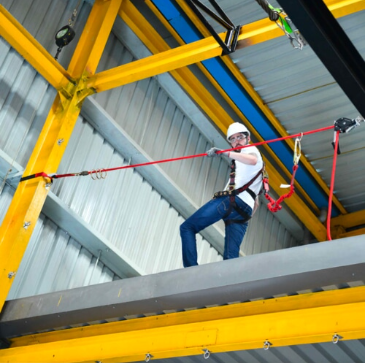
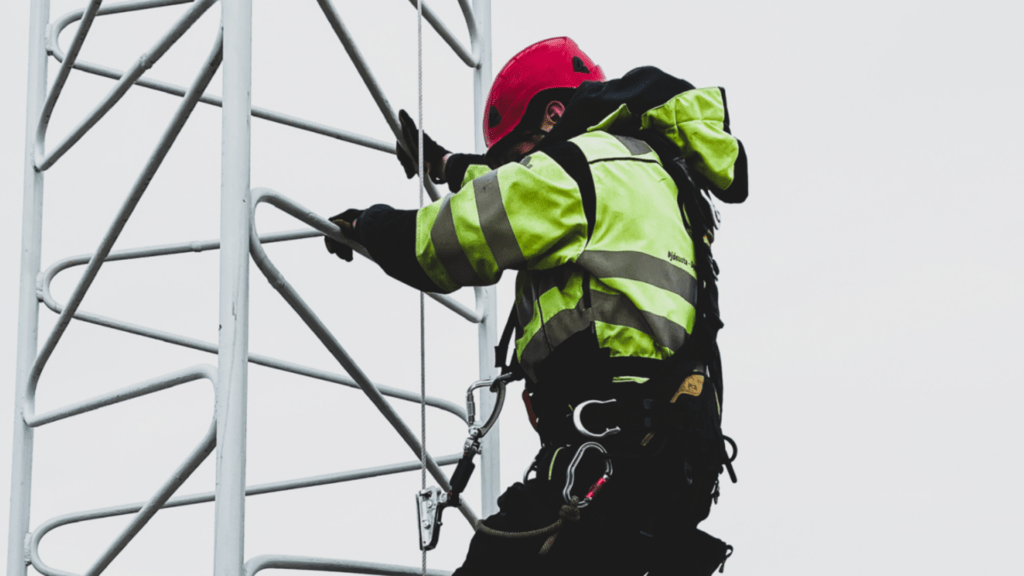
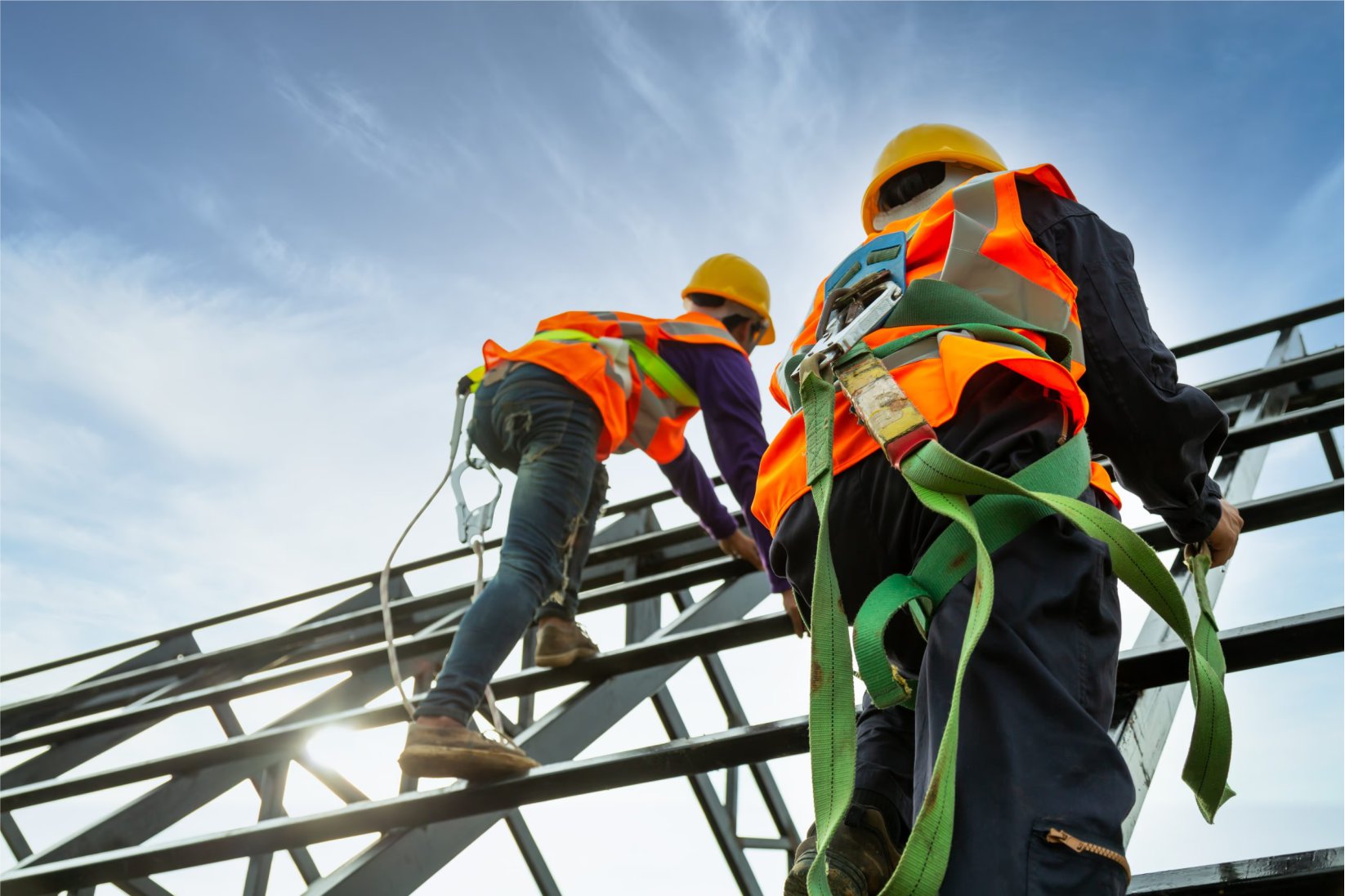
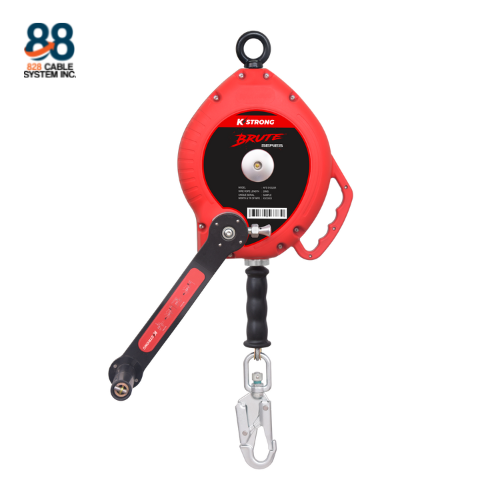
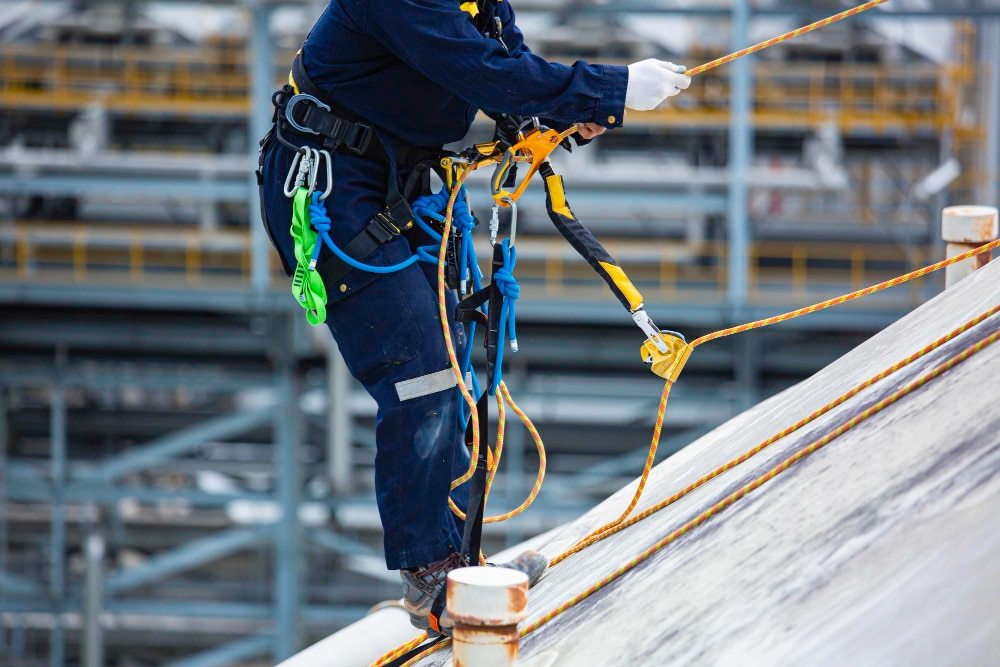
Reliable equipment forms the foundation of a professional rope access system. A full-body harness allows a technician to connect securely to the rope system and maintain an appropriate working position. Working ropes provide the primary means of movement, while independent safety lines can provide additional protection against falls. Ascenders and descenders allow technicians to control their movement along the ropes, while connectors provide secure attachment between components. Pulleys, rope grabs, rope protectors, and other specialized devices may be used depending on the structure and task. Helmets, gloves, protective footwear, and other personal protective equipment can provide additional protection from environmental and work-related hazards. Each piece of equipment should be selected according to the intended application, inspected properly, and maintained according to relevant manufacturer instructions. The effectiveness of a rope access solution philippines depends heavily on using suitable equipment correctly and ensuring that technicians understand its proper operation and limitations.
Understanding the Working and Safety Rope Systems
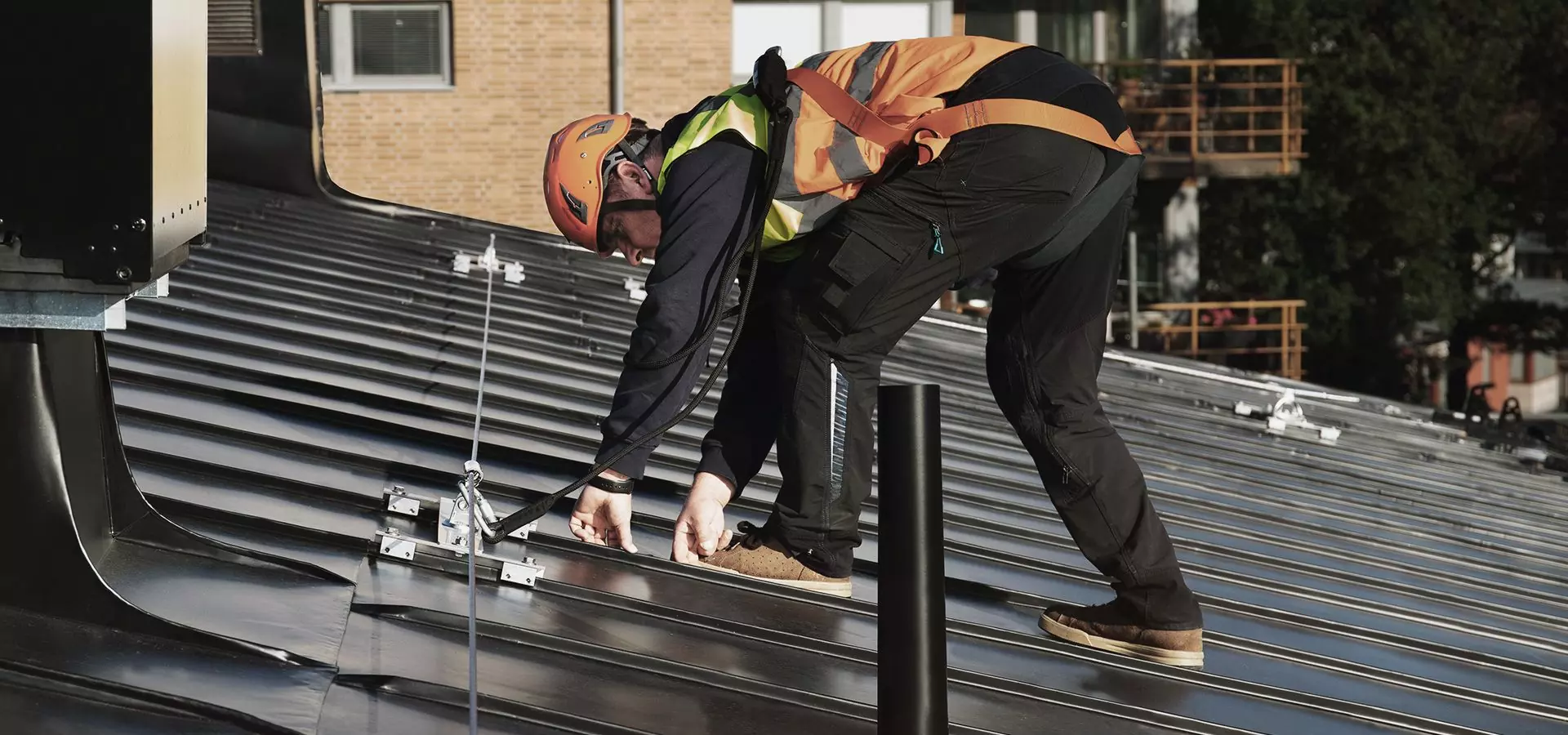
A properly planned rope access operation generally relies on more than one line of protection. The working line provides the technician with access and positioning, while an independent safety system provides additional protection. This approach helps create redundancy so that the technician is not dependent on a single component for protection. Technicians use specialized devices to ascend, descend, and maintain their position while completing assigned tasks. The system must be designed around suitable anchor points capable of supporting the intended loads. Rope protection may also be required where lines pass over edges or surfaces that could cause abrasion or other damage. Technicians should understand how the entire system works before entering the work area. Properly configured rope systems are a critical part of a safe rope access solution philippines because every component needs to function together as part of a planned access strategy.
Where Rope Access Is Commonly Used in the Philippines
Rope access has applications across many industries where elevated or difficult-to-reach areas require professional attention. High-rise buildings may require rope access technicians for exterior facade inspections, repairs, cleaning, painting, waterproofing, and installation work. Industrial facilities may use specialized access techniques around tanks, towers, stacks, silos, pipelines, and other complex structures. Telecommunications infrastructure can also require technicians to reach elevated towers and equipment for inspection and maintenance. Bridges and other infrastructure may present areas that are difficult to reach using standard ground-based equipment. Construction companies can use rope access for specific installation, inspection, and repair tasks where conventional access systems are impractical. Commercial properties may also require specialized access for architectural features, exterior surfaces, signage, and other elevated components. The wide range of applications demonstrates how a rope access solution philippines can be adapted to different environments when proper technical planning is applied.
High-Rise Building Maintenance With Rope Access
High-rise buildings require regular maintenance to preserve their appearance, functionality, and structural condition. Exterior walls, windows, facade elements, drainage systems, signs, and architectural features can be difficult to inspect and maintain from ground level. Rope access can allow qualified technicians to reach specific areas without necessarily installing extensive scaffolding around the entire building. This can be useful for targeted inspection, cleaning, painting, repair, sealing, and maintenance tasks. Building managers may benefit from having a flexible access option for areas that require attention at different heights and locations. Work must still be carefully coordinated to protect occupants, pedestrians, vehicles, and personnel below the work area. A well-planned rope access solution philippines can help property managers address elevated maintenance requirements while minimizing unnecessary disruption to normal building activities.
Industrial Applications for Rope Access
Industrial environments often contain structures with complicated shapes, restricted access points, elevated equipment, and large vertical surfaces. Tanks, silos, stacks, towers, pipelines, and processing structures may require periodic inspections or maintenance that cannot be completed efficiently from the ground. Rope access technicians can use specialized systems to reach these locations while carrying the equipment needed for their assigned tasks. Applications may include visual inspections, surface preparation, painting, repairs, cleaning, installation, and maintenance activities. Industrial sites can also contain additional hazards such as moving machinery, electrical systems, chemicals, heat, and restricted areas. These hazards require careful planning and coordination before rope access operations begin. A suitable rope access solution philippines should account for both the access challenge and the industrial hazards present at the site.
Safety Planning Before Rope Access Work Begins
Safety planning should take place before technicians enter an elevated work area. A detailed site assessment can identify hazards related to the structure, surrounding environment, equipment, weather, public access, and other work activities. Anchor points should be evaluated carefully to ensure that they are suitable for the planned rope system. Technicians and ground personnel should understand their responsibilities, communication procedures, and emergency arrangements. Exclusion zones can help protect people below the work area from falling tools, materials, or debris. Weather conditions should also be monitored because heavy rain, strong winds, lightning, and other environmental conditions can affect work-at-height operations. Rescue planning is particularly important because a technician who becomes injured or incapacitated may require assistance from the rope access team. Strong safety planning gives a rope access solution philippines a structured foundation and helps the team respond more effectively to foreseeable risks.
The Importance of Rope Access Technician Training
Rope access requires specialized skills that involve more than simply connecting a harness to a rope. Technicians need to understand movement techniques, equipment operation, anchorage, work positioning, hazard identification, and emergency procedures. Training helps workers develop the practical skills required to ascend, descend, position themselves, and perform work while maintaining appropriate protection. Competent technicians should also understand equipment inspection and recognize signs of wear or damage. Rescue training is important because rope access teams should be prepared to assist a worker who cannot move independently. Supervisors may require additional knowledge to coordinate the work team and ensure that site procedures are followed. Businesses should verify the qualifications, training, and relevant experience of technicians before hiring a rope access provider. Professional competency is one of the most important elements of an effective rope access solution philippines.
Equipment Inspection and Maintenance Practices
Rope access equipment must be treated as critical safety equipment and managed accordingly. Before use, technicians should conduct appropriate inspections to identify cuts, excessive wear, deformation, contamination, corrosion, or other signs of damage. Ropes deserve particular attention because they can be affected by sharp edges, chemicals, heat, abrasion, and environmental exposure. Harnesses, connectors, ascenders, descenders, pulleys, rope grabs, and other components should also be inspected according to applicable requirements and manufacturer guidance. Equipment that is damaged or questionable should be removed from service until it has been appropriately evaluated. Proper storage can help protect equipment from moisture, excessive heat, chemicals, ultraviolet exposure, and other damaging conditions. Organizations should also maintain appropriate inspection and equipment records to support responsible equipment management. Consistent inspection and maintenance practices help preserve the reliability of a rope access solution philippines over time.
How Rope Access Can Improve Project Efficiency
Rope access can provide efficient access to selected work areas without requiring extensive temporary structures in situations where the method is suitable. Technicians can often move between multiple elevated locations using a properly designed system. This can be valuable when a project involves targeted repairs or inspections rather than continuous work across an entire facade. Reduced setup requirements may also help minimize disruption around buildings, facilities, and restricted sites. Businesses can potentially maintain normal operations more easily when large access structures are not required across extensive areas. However, efficiency should always be considered alongside safety and technical suitability. Rushing access work or reducing necessary safety controls can create serious risks and undermine the purpose of the system. A professional rope access solution philippines should aim to balance productivity with appropriate risk management and quality workmanship.
Factors to Consider Before Hiring a Rope Access Provider
Businesses should evaluate several factors before selecting a professional rope access provider. Technician qualifications and practical experience should be among the first considerations because specialized access work requires appropriate competency. Companies should also ask about equipment inspection procedures, safety planning, rescue arrangements, and project supervision. The provider should be willing to assess the actual site rather than making assumptions based solely on photographs or general building information. A clear project scope should identify the areas requiring access, tasks to be completed, expected duration, equipment requirements, and relevant site restrictions. Communication is also important when multiple contractors, building occupants, security personnel, or facility operators are involved. Businesses should compare providers based on safety, technical capability, reliability, equipment standards, and overall value rather than focusing only on the lowest price. Choosing a capable provider can make a significant difference to the safety and effectiveness of a rope access solution philippines.
Understanding Rope Access Project Costs
Rope access pricing can vary depending on the complexity and requirements of each project. Building height, access difficulty, work duration, number of technicians, equipment requirements, and site conditions can all affect the cost. Projects requiring specialized anchorage or complicated rescue arrangements may involve additional planning and resources. Work conducted in busy commercial areas may also require additional exclusion zones and coordination measures. Industrial environments may require specialized procedures because of operational hazards or restricted areas. Businesses should request a clear scope of work and professional site assessment before comparing quotations. A low initial price may not represent good value if it excludes essential safety measures, qualified personnel, appropriate equipment, or necessary planning. When evaluating a rope access solution philippines, businesses should consider the complete service package and the quality of safety management rather than price alone.
Building a Safer Approach to Work at Height
Safe work at height requires coordination between people, equipment, procedures, and the work environment. Rope access can provide an effective access method when these elements are carefully integrated into the project plan. Businesses should begin by identifying the actual access challenge and evaluating the available methods. If rope access is suitable, the project should then be designed around appropriate anchorage, equipment, technician competency, communication, and rescue procedures. Regular inspection and maintenance should support the continued reliability of the equipment. Site conditions should also be monitored throughout the project because hazards can change as work progresses. Clear communication between technicians, supervisors, facility managers, and ground personnel can help maintain consistent safety controls. A well-managed rope access solution philippines can therefore provide more than physical access by supporting a structured approach to challenging work-at-height activities.
Frequently Asked Questions About Rope Access Solution Philippines
What is a rope access solution philippines?
A rope access solution philippines is a specialized work-at-height system that allows trained technicians to reach elevated, confined, or difficult-to-access locations using ropes, harnesses, anchorage systems, and specialized equipment. It can be used for inspection, maintenance, cleaning, repair, installation, and other technical tasks. The system should always be designed according to the specific conditions of the worksite.
Is rope access suitable for high-rise buildings?
Rope access can be suitable for certain high-rise building applications when the structure, work scope, anchor points, environmental conditions, and hazards have been properly evaluated. It can provide access to exterior areas that are difficult to reach using conventional equipment. Qualified professionals should determine whether it is appropriate for the specific building.
What equipment is normally used for rope access?
Typical equipment includes full-body harnesses, working ropes, safety ropes, connectors, ascenders, descenders, rope grabs, pulleys, anchor systems, rope protection, helmets, and other personal protective equipment. Rescue equipment may also be required depending on the project. Equipment selection should reflect the work environment and system design.
Is rope access safer than scaffolding?
Neither method should automatically be considered safer in every situation. Safety depends on the project design, equipment, personnel, environmental conditions, work scope, and management procedures. A professional assessment should determine which access method is appropriate for the specific task.
What types of work can rope access technicians perform?
Depending on their qualifications and the project requirements, technicians may perform inspections, cleaning, painting, facade maintenance, repairs, waterproofing, installation, industrial maintenance, and other specialized activities. The access system must be suitable for the specific task. Additional qualifications may be necessary for certain technical work.
How important are anchor points?
Anchor points are fundamental to a rope access system because they provide the connection between the structure and the access equipment. Their location, suitability, and condition must be properly assessed before use. An inappropriate anchorage arrangement can compromise the entire access system.
How should rope access equipment be maintained?
Equipment should be inspected before use and periodically according to applicable requirements and manufacturer recommendations. Ropes and hardware should be protected from damaging conditions such as abrasion, chemicals, heat, and improper storage. Damaged or questionable equipment should be removed from service until appropriately assessed.
How can businesses choose a rope access provider?
Businesses should consider technician competency, training, experience, equipment condition, inspection practices, safety planning, rescue procedures, supervision, documentation, and the provider’s ability to conduct a site-specific assessment. Clear communication about the project scope is also important. The provider should demonstrate an understanding of the actual hazards and access requirements involved.
Can rope access reduce disruption to building operations?
For suitable projects, rope access may reduce the need for extensive temporary structures and large ground-level equipment. This can potentially minimize disruption around entrances, walkways, roads, and occupied areas. However, exclusion zones and other safety controls may still be necessary during the work.
Takeaway
A rope access solution philippines can provide a practical approach to challenging work-at-height requirements across commercial, industrial, construction, telecommunications, and infrastructure environments. Its flexibility allows trained technicians to reach areas that may be difficult to access using conventional methods. The success of the system depends on suitable equipment, reliable anchorage, technician competency, careful site assessment, effective communication, and comprehensive rescue planning. Businesses should avoid selecting an access method based solely on convenience or price because every worksite presents different risks and requirements. Regular equipment inspection and responsible maintenance are equally important for maintaining system reliability. Working with a qualified professional provider can help organizations develop an access strategy that reflects their specific operational needs. With proper planning and safety management, rope access can be a valuable option for maintaining challenging structures throughout the Philippines.