
What a Remote Sales Closing Service Is
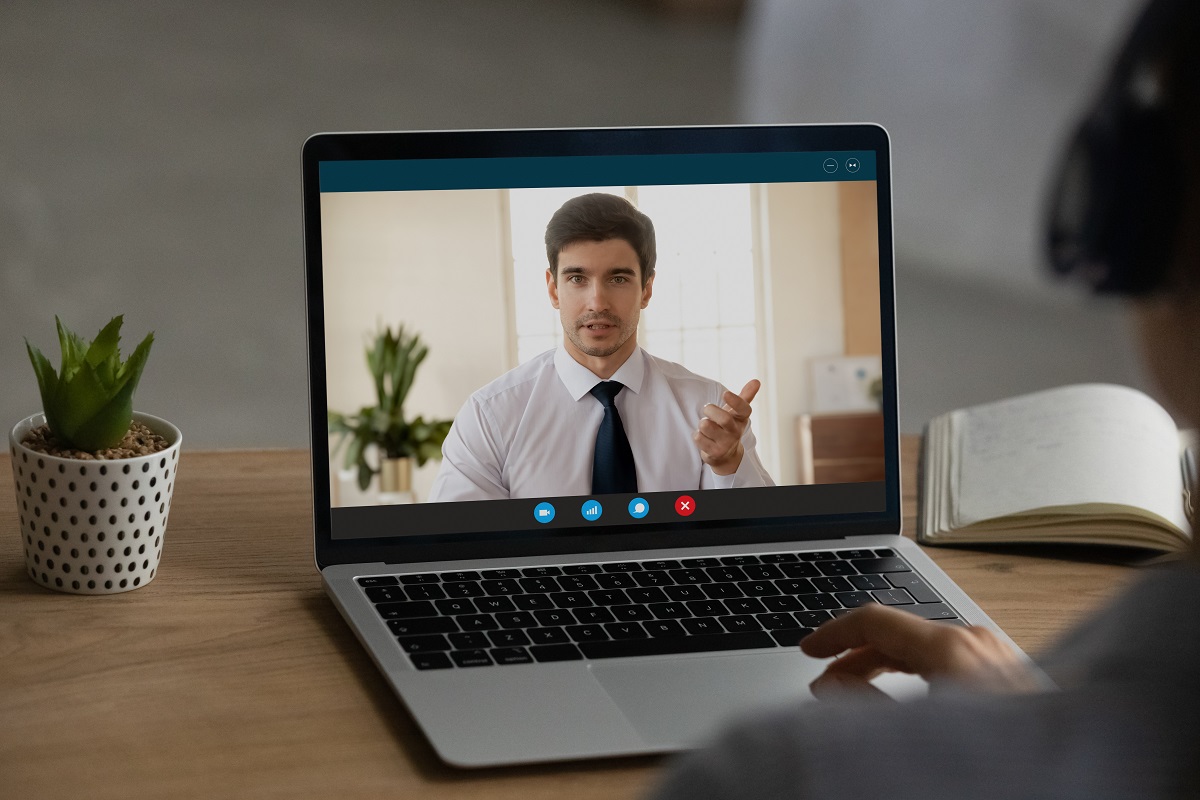
A remote sales closing service is a specialized sales solution where trained closers engage with prospects virtually to convert them into paying customers. It operates entirely online, removing the need for physical meetings or in-house sales floors. This model allows businesses to work with highly skilled sales professionals regardless of geographic boundaries. A remote sales closing service is commonly used in high-ticket industries where personal persuasion and trust-building are essential. It bridges the gap between marketing-generated leads and final revenue conversion. Businesses use this service to ensure that qualified prospects are handled by experienced closers who understand advanced sales psychology. The approach also allows companies to maintain consistency in messaging while increasing overall conversion efficiency.
Evolution of Remote Sales in Modern Business
The development of remote sales closing service models is closely tied to the rise of digital transformation in business. Traditional sales teams once relied heavily on in-person meetings, cold calling, and physical presentations. As digital platforms expanded, businesses began shifting toward online lead generation and virtual communication tools. This shift created demand for sales professionals who could close deals entirely through phone and video interactions. High-ticket online industries accelerated this trend by requiring scalable, location-independent sales systems. Over time, remote sales became not just an alternative but a primary strategy for growth-focused companies. Today, businesses across multiple industries rely on virtual closers to maintain global competitiveness.
Core Functions of a Remote Sales Closing Service
A remote sales closing service performs several critical functions that directly impact revenue generation. One of the primary responsibilities is engaging with warm leads who have already expressed interest in a product or service. Closers conduct structured discovery calls to understand customer needs and identify buying intent. They also handle objections using proven persuasion techniques and tailored communication strategies. Another key function is guiding prospects through the decision-making process with clarity and confidence. Remote closers often work closely with marketing and appointment-setting teams to ensure lead quality. Their ultimate goal is to convert qualified prospects into paying clients while maintaining brand trust and consistency.
How a Remote Sales Closing Service Works
A remote sales closing service operates through a structured workflow designed to maximize efficiency and conversion rates. The process typically begins with lead generation campaigns managed by marketing teams. Once leads are captured, they are passed into a CRM system where remote closers can access and prioritize them. Appointments are scheduled through automated booking systems that sync with calendars. Sales calls are conducted via video conferencing tools or phone systems depending on the business model. During the call, the closer follows a structured yet flexible sales framework tailored to the offer. After the call, follow-up sequences ensure that undecided prospects remain engaged until a decision is made. Payment processing and onboarding are then completed digitally, allowing seamless transaction flow.
Key Components of a High-Performing Remote Closing System
A successful remote sales closing service depends on several interconnected components that ensure performance consistency. Trained sales professionals form the backbone of the system, bringing expertise in communication and negotiation. High-quality scripts and frameworks guide conversations while allowing adaptability. CRM systems help track leads, monitor progress, and measure performance metrics. Automation tools streamline scheduling, follow-ups, and reporting tasks. Communication platforms ensure real-time coordination between teams and clients.
- Structured sales scripts for consistency
- CRM platforms for pipeline visibility
- Automated scheduling and follow-up systems
- Performance tracking dashboards
- Video conferencing tools for remote engagement
- Continuous training programs for skill enhancement
Each component works together to create a seamless and scalable sales ecosystem that supports business growth.
Benefits of Using a Remote Sales Closing Service for Businesses
A remote sales closing service offers multiple advantages for businesses seeking scalable revenue growth. One of the most significant benefits is reduced operational costs compared to maintaining in-house sales teams. Companies gain access to global sales talent without the limitations of local hiring markets. Conversion rates often improve due to the specialization of remote closers in high-ticket sales. Businesses also benefit from increased flexibility in scaling operations based on demand fluctuations. The service enables faster expansion into new markets without physical infrastructure. Additionally, remote systems allow continuous sales activity across multiple time zones, increasing revenue opportunities.
Benefits for Remote Sales Closers
Remote sales closers also experience several advantages when working within this model. They gain access to high-ticket products and services that offer significant commission potential. The remote structure allows for location independence and flexible work schedules. Closers can collaborate with international companies and expand their professional experience globally. Many remote sales roles provide structured training, improving long-term skill development. Performance-based compensation allows top performers to earn substantial income based on results. The environment also encourages continuous improvement through data-driven feedback systems.
Industries That Rely on Remote Sales Closing Service
Many industries depend heavily on a remote sales closing service to maintain revenue consistency and scalability. Online coaching and consulting businesses use remote closers to convert program applicants into clients. SaaS companies rely on virtual sales teams to manage subscription conversions and enterprise deals. Digital marketing agencies use remote closers to sell service packages to global clients. E-learning platforms depend on sales closers to enroll students into premium courses. Real estate investment firms also utilize remote closing systems for investor relations. Financial advisory services benefit from structured remote conversations that build trust and credibility.
Global Market Reach and Service Availability
A major advantage of a remote sales closing service is its ability to operate across global markets without limitations. Businesses in the USA, UK, Canada, Australia, UAE, and Singapore actively use remote closers to expand their reach. Time zone differences can actually benefit companies by enabling continuous sales coverage. Cultural adaptability is an important factor in ensuring successful communication with international prospects. Multilingual closers further enhance conversion opportunities in diverse markets. Global accessibility allows businesses to tap into previously unreachable customer segments. This international flexibility makes remote sales systems a powerful tool for modern expansion strategies.
Tools and Technologies Used in Remote Sales Closing
Technology plays a critical role in the success of a remote sales closing service. Customer Relationship Management systems are used to organize leads and track interactions. Video conferencing platforms enable face-to-face communication regardless of location. Sales automation tools handle repetitive tasks such as follow-ups and reminders. AI-powered lead scoring systems help prioritize high-value prospects. Communication tools like dialers and messaging apps streamline outreach efforts. Analytics dashboards provide insights into performance metrics and conversion trends. These tools collectively enhance efficiency and ensure consistent sales execution.
Hiring vs Outsourcing a Remote Sales Closing Service
Businesses often face the decision of building an internal team or outsourcing a remote sales closing service. Hiring an internal team provides more direct control over training and management. However, it requires significant investment in recruitment, infrastructure, and ongoing supervision. Outsourcing to a specialized service provider offers faster deployment and immediate access to trained professionals. It also reduces overhead costs and eliminates the need for extensive onboarding. Outsourced teams typically bring proven systems and frameworks that accelerate results. The choice depends on business goals, scalability requirements, and budget considerations.
Pricing Models in Remote Sales Closing Services
Different pricing structures exist within the remote sales closing service industry depending on performance expectations. Commission-only models are common, where closers earn based on closed deals. Hybrid models combine a base salary with performance-based incentives. Retainer agreements provide stability for both businesses and sales teams. Revenue-share models align incentives between closers and companies for long-term collaboration. Pricing depends on factors such as industry, deal size, and lead quality. High-ticket industries often prefer commission-heavy structures due to larger profit margins.
Key Performance Indicators for Remote Sales Closers
Measuring performance is essential in optimizing a remote sales closing service. Conversion rate is one of the most important metrics, reflecting the percentage of closed deals from total calls. Average deal size helps determine revenue efficiency per closer. Call-to-close ratio evaluates overall sales effectiveness. Lead response time measures how quickly prospects are engaged after expressing interest. Revenue per closer provides insight into individual productivity. These KPIs allow businesses to refine strategies and improve sales outcomes.
Common Challenges in Remote Sales Closing Service
Despite its advantages, a remote sales closing service comes with several challenges that require careful management. Lead quality inconsistencies can affect conversion rates and overall performance. Communication gaps may occur when teams operate across different time zones. Maintaining motivation in remote environments can also be difficult without structured support systems. Objection handling in high-pressure situations requires continuous training and practice. Technical issues with tools or platforms may disrupt sales flow. Addressing these challenges requires strong systems and leadership frameworks.
Strategies to Improve Remote Sales Closing Performance
Improving performance in a remote sales closing service requires consistent optimization strategies. Continuous training ensures that sales closers remain sharp and effective in their communication. Script refinement based on real call data helps increase conversion rates. Data-driven decision-making allows businesses to identify weaknesses and improve processes. Structured onboarding programs help new closers integrate quickly into systems. Regular performance reviews provide accountability and motivation. Coaching sessions enhance long-term skill development and consistency.
Compliance and Data Security in Remote Sales Operations
Security and compliance are essential components of any remote sales closing service. Businesses must ensure that customer data is protected through secure CRM systems. Access control measures help prevent unauthorized data exposure. International sales operations must comply with regulations such as GDPR and other regional laws. Ethical sales practices are necessary to maintain trust and brand reputation. Transparency in communication helps build long-term customer relationships. Secure infrastructure ensures that sensitive information remains protected throughout the sales process.
Scaling a Remote Sales Closing Service
Scaling a remote sales closing service requires strategic planning and system optimization. Expanding into new markets involves recruiting closers with regional expertise. Automation plays a key role in managing increased lead volume efficiently. Leadership structures help maintain performance standards across larger teams. Advanced reporting systems provide visibility into multi-team operations. Businesses can also diversify into new industries to increase revenue streams. Scalable systems ensure sustainable growth without compromising quality.
FAQ
Q1: What is a remote sales closing service?
A remote sales closing service is a system where trained sales professionals close deals virtually using phone or video communication. It helps businesses convert leads into paying customers without requiring in-person meetings. This service is widely used in high-ticket and digital industries. It allows companies to scale sales operations globally. The process is fully structured and performance-driven. It is designed to maximize conversion efficiency. It integrates with marketing and CRM systems for seamless workflow.
Q2: How does a remote sales closer get paid?
Remote sales closers are typically compensated through commission-only or hybrid payment models. Commission-based structures reward closers based on successful deals. Hybrid models include a base salary plus performance bonuses. Some companies also offer revenue-sharing arrangements. Payment structures depend on industry and deal size. High-ticket sales often favor commission-heavy models. This incentivizes high performance and results.
Q3: What industries benefit most from remote sales closing services?
Industries that rely on high-ticket transactions benefit most from remote sales closing services. These include coaching, consulting, SaaS, digital marketing, and real estate investment. E-learning platforms also depend heavily on remote closers. Financial advisory services use them for client acquisition. Agencies use them to sell service packages globally. These industries require strong persuasive sales conversations. Remote closers help improve conversion rates significantly.
Q4: Can remote sales closers work internationally?
Remote sales closers can work with companies located anywhere in the world. This includes major markets such as the USA, UK, Canada, Australia, UAE, and Singapore. Time zone differences can actually enhance sales coverage. Many closers work with multiple international clients. Language skills can further expand global opportunities. Remote work enables borderless career growth. It is one of the most flexible sales career paths available.
Q5: What tools are needed for remote sales closing?
Essential tools include CRM platforms for managing leads and tracking interactions. Video conferencing software is used for sales calls. Automation tools help with scheduling and follow-ups. AI systems assist with lead scoring and prioritization. Dialers and messaging platforms streamline communication. Analytics dashboards track performance metrics. These tools create an efficient remote sales ecosystem.
Q6: How do businesses measure performance of remote closers?
Performance is measured using key metrics such as conversion rates and call-to-close ratios. Revenue generated per closer is also an important indicator. Lead response time reflects engagement efficiency. Average deal size shows sales effectiveness. These KPIs help businesses optimize their systems. Regular reporting ensures accountability. Data-driven insights guide improvement strategies.
Q7: What are the main challenges in remote sales closing services?
Challenges include inconsistent lead quality and communication gaps. Time zone differences can create coordination issues. Maintaining motivation in remote environments requires strong management systems. Objection handling in high-pressure calls can be demanding. Technical issues may occasionally disrupt workflow. Training and system optimization help overcome these challenges. Strong leadership is essential for consistent performance.
Takeaway
A remote sales closing service represents a modern, scalable approach to revenue generation that aligns with today’s digital-first business environment. It enables companies to access global talent, reduce operational costs, and increase conversion efficiency through structured systems and trained professionals. Businesses that adopt this model gain flexibility in scaling across industries and international markets without physical limitations. The combination of technology, skilled closers, and optimized sales processes creates a powerful revenue engine. Companies that invest in refining their remote sales systems position themselves for sustained growth in competitive markets.