
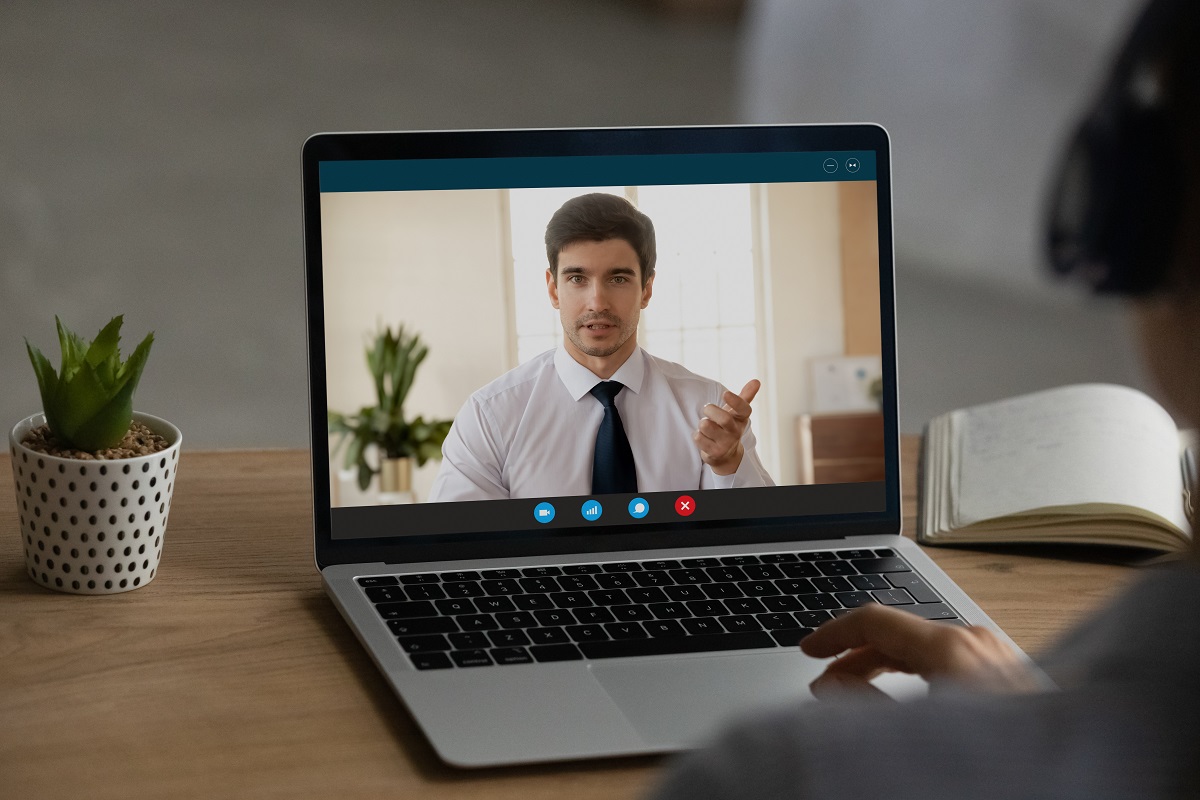
Market Landscape of Virtual Sales Closers
The demand for virtual sales closers has grown rapidly as businesses shift toward digital-first revenue strategies. Companies are increasingly prioritizing remote selling structures that allow them to reach global audiences without geographic limitations. This shift has been accelerated by advancements in communication technology and the widespread adoption of cloud-based sales tools. Businesses now recognize that high-performing sales teams do not need to be physically present to drive strong revenue outcomes. Instead, remote professionals are proving just as effective, if not more efficient, in closing deals across multiple time zones. Organizations in SaaS, e-commerce, coaching, and consulting are among the earliest adopters of this model. Global markets such as the USA, UK, Canada, Australia, UAE, and Singapore are leading this transformation.
As competition intensifies across industries, companies are focusing more on specialized roles within the sales pipeline. Virtual sales closers are becoming essential because they focus purely on converting qualified leads into paying customers. This specialization improves efficiency and reduces wasted time on unqualified prospects. Businesses also benefit from reduced overhead costs associated with traditional in-office teams. Remote structures allow companies to scale faster without being restricted by local hiring constraints. The ability to tap into international talent pools has become a key advantage. This evolving landscape continues to redefine how modern revenue teams operate.
What Virtual Sales Closers Are and How They Operate
Virtual sales closers are remote professionals responsible for converting qualified leads into customers through digital communication channels. They operate primarily through video calls, phone calls, CRM platforms, and messaging tools. Unlike general sales representatives, their primary focus is closing deals rather than generating or qualifying leads. They often work closely with marketing teams and appointment setters who supply them with warm prospects. This ensures their time is spent on high-value conversations that are closer to purchasing decisions. Their role is critical in shortening the sales cycle and improving conversion efficiency. Businesses rely on them to maintain consistent revenue flow in remote environments.
These professionals are integrated into structured sales pipelines where each stage is clearly defined. They receive detailed lead information before engaging with prospects to ensure personalized communication. Virtual sales closers use consultative selling techniques to understand customer needs deeply. They guide prospects through decision-making processes using structured conversations. Their ability to adapt communication styles based on buyer behavior is a key strength. They also leverage digital tools to track interactions and manage follow-ups effectively. This structured approach ensures consistency in performance across different markets.
Core Responsibilities of Virtual Sales Closers
Virtual sales closers handle the final and most critical stage of the sales process. Their primary responsibility is converting qualified leads into paying customers through persuasive communication. They engage prospects in meaningful conversations that identify pain points and present tailored solutions. They also manage objections and concerns with clarity and confidence. This requires a deep understanding of both the product and the customer journey. They ensure that every interaction moves the prospect closer to a purchasing decision. Their performance directly impacts overall business revenue.
Another key responsibility is maintaining accurate CRM records and updating deal progress in real time. This ensures that sales pipelines remain transparent and measurable. Virtual sales closers also collaborate with marketing and SDR teams to refine lead quality. They provide feedback on lead readiness and customer objections encountered during calls. Their insights help improve targeting strategies and messaging effectiveness. They also participate in strategy discussions to optimize conversion rates. Consistent communication across teams ensures alignment in revenue operations.
Essential Skills and Competencies
Virtual sales closers require a strong combination of communication, analytical, and emotional intelligence skills. They must be able to build trust quickly in a virtual environment where physical presence is absent. Persuasive communication is essential for guiding prospects through complex buying decisions. They also need strong listening skills to understand customer needs accurately. Adaptability plays a major role in handling different industries and buyer personas. Time management is critical since they often handle multiple leads across different time zones. A strong sense of discipline ensures consistent performance in remote settings.
Technical proficiency is also important for success in this role. Virtual sales closers must be comfortable using CRM systems, video conferencing tools, and sales automation platforms. They should understand data analytics to evaluate performance metrics and optimize strategies. Cultural awareness is valuable when dealing with international clients from regions like the USA, UK, Canada, Australia, UAE, and Singapore. Emotional intelligence allows them to manage objections without escalating tension. Confidence and resilience help them handle rejection and maintain productivity. These combined competencies make them highly effective revenue drivers.
Benefits for Businesses Using Virtual Sales Closers
Businesses that use virtual sales closers gain significant operational and financial advantages. One major benefit is reduced overhead costs compared to maintaining in-house sales teams. Companies save on office space, equipment, and administrative expenses. Another advantage is access to a global talent pool without geographical restrictions. This allows organizations to hire highly skilled professionals regardless of location. Scalability is also improved because teams can be expanded or reduced based on demand. This flexibility is particularly valuable for fast-growing businesses.
Virtual sales closers also contribute to higher conversion rates due to their specialized focus. Since they concentrate only on closing deals, they become highly efficient in their role. Businesses experience faster sales cycles and improved revenue predictability. The remote structure also allows for continuous operations across different time zones. This ensures that sales activities continue even outside traditional working hours. Companies benefit from increased productivity and streamlined workflows. These advantages make virtual sales closers a strategic asset in modern sales environments.
Industries Leveraging Virtual Sales Closers
Many industries have adopted virtual sales closers as part of their revenue strategies. SaaS companies rely heavily on them to convert trial users and demo attendees into paying customers. E-commerce brands use them to close high-ticket purchases and subscription plans. Real estate firms leverage them to handle remote property buyers and investors. Online education and coaching businesses depend on them to convert leads into course enrollments. Financial service providers use them to explain complex products and close deals remotely. Healthcare and telemedicine companies also benefit from virtual consultations and conversions.
B2B service providers are among the largest users of virtual sales closers. These companies often deal with long sales cycles that require consistent follow-ups and nurturing. Virtual closers help maintain engagement throughout the decision-making process. Their ability to communicate value clearly is essential in high-value transactions. Industries that require trust-building and consultative selling see the highest impact. This includes consulting firms, software agencies, and digital marketing providers. Their versatility makes them valuable across a wide range of business models.
How Virtual Sales Closers Improve Conversion Rates
Virtual sales closers significantly improve conversion rates through strategic communication and timing. They engage prospects when interest levels are highest, increasing the likelihood of closing deals. Personalized messaging allows them to connect with buyers on a deeper level. They use data-driven insights to understand customer behavior and preferences. This enables them to tailor conversations that resonate with individual needs. Their structured approach reduces friction in the buying process. This leads to smoother and faster decision-making.
They also focus heavily on follow-up strategies, which are critical in digital sales environments. Many deals are closed after multiple touchpoints rather than initial conversations. Virtual sales closers ensure consistent engagement without overwhelming prospects. Their ability to handle objections effectively helps remove barriers to purchase. They also build trust through transparent and consultative communication. This trust is essential for converting hesitant buyers. Their techniques result in higher overall sales performance.
Hiring Models for Virtual Sales Closers
Businesses can choose from several hiring models when working with virtual sales closers. One option is agency-based teams where trained closers are provided by specialized firms. This model offers quick deployment and minimal training requirements. Another approach is hiring freelancers or independent contractors. This provides flexibility but may require additional management oversight. Some companies prefer building dedicated in-house remote teams for full control. This allows for stronger alignment with company culture and processes.
Hybrid models are also becoming popular among scaling businesses. These combine appointment setters with virtual sales closers for optimized pipelines. Performance-based compensation structures are commonly used to motivate closers. This aligns incentives with business revenue goals. Each model has its advantages depending on company size and growth stage. Businesses must evaluate their needs carefully before selecting a structure. The right hiring model can significantly impact revenue outcomes.
Training and Onboarding Processes
Effective training is essential for maximizing the performance of virtual sales closers. Onboarding typically begins with product knowledge and understanding customer personas. Closers must be fully familiar with the value proposition before engaging with leads. Role-playing exercises are often used to simulate real sales scenarios. This helps build confidence and refine communication techniques. Continuous coaching ensures long-term skill development. Feedback loops are integrated to improve performance consistently.
Training programs also focus on mastering CRM tools and digital platforms. Virtual sales closers must be able to navigate systems efficiently to manage pipelines. They are also trained in objection handling and negotiation strategies. Companies often provide scripts and frameworks while encouraging personalization. Ongoing performance reviews help identify areas for improvement. This structured approach ensures consistent quality across all sales interactions. Well-trained closers contribute significantly to revenue growth.
Technology Stack Supporting Virtual Sales Closers
Technology plays a central role in supporting virtual sales closers. CRM platforms are essential for tracking leads and managing pipelines effectively. Video conferencing tools enable face-to-face interactions with prospects. Sales automation systems help streamline follow-ups and reminders. Analytics dashboards provide insights into performance metrics and conversion rates. AI-powered tools assist in lead scoring and customer behavior prediction. Communication platforms ensure seamless coordination between teams.
These tools work together to create an efficient remote sales ecosystem. Virtual sales closers rely on technology to maintain organization and productivity. Data-driven insights allow them to refine strategies continuously. Automation reduces manual workload and increases focus on selling activities. Integration between systems ensures smooth workflow across departments. Businesses that invest in strong technology stacks see higher efficiency. This infrastructure is essential for scaling remote sales operations.
Global Expansion Opportunities for Virtual Sales Closers
Virtual sales closers play a key role in helping businesses expand globally. Their remote nature allows companies to operate across multiple time zones effortlessly. This creates continuous sales coverage in international markets. Businesses targeting regions like the USA, UK, Canada, Australia, UAE, and Singapore benefit significantly from this model. Cultural adaptability is important when engaging with diverse customer bases. Virtual closers adjust communication styles based on regional expectations. This improves engagement and conversion rates.
Global expansion becomes more cost-effective with remote sales structures. Companies can enter new markets without establishing physical offices. Virtual sales closers act as local-facing representatives for international clients. This helps build trust and credibility in unfamiliar markets. Language skills and cultural awareness further enhance effectiveness. Businesses can scale operations faster with reduced financial risk. This model supports sustainable international growth.
Challenges in Virtual Sales Closing and How to Address Them
Despite its advantages, virtual sales closing presents certain challenges. Communication barriers can arise in remote environments. Misunderstandings may occur without face-to-face interaction. Maintaining accountability in distributed teams can also be difficult. Lead quality inconsistencies may affect performance outcomes. Technical issues can disrupt communication during critical sales calls. Training gaps may lead to inconsistent results across team members.
These challenges can be addressed through structured systems and processes. Clear communication guidelines help reduce misunderstandings. Regular performance tracking ensures accountability across teams. Strong lead qualification processes improve conversion quality. Reliable technology infrastructure minimizes disruptions during calls. Continuous training programs close skill gaps effectively. With proper management, these challenges can be overcome successfully.
Performance Metrics and Key KPIs
Tracking performance is essential for evaluating virtual sales closers. Conversion rate is one of the most important metrics. It measures how effectively leads are turned into customers. Average deal size provides insight into revenue contribution. Sales cycle length helps assess efficiency in closing deals. Pipeline velocity indicates how quickly prospects move through stages. Customer acquisition cost reflects overall efficiency of sales operations.
These KPIs help businesses optimize strategies and improve outcomes. Virtual sales closers are evaluated based on measurable performance indicators. Data-driven decision-making ensures continuous improvement. Regular reporting helps identify strengths and weaknesses. Businesses can adjust strategies based on real-time insights. This structured approach enhances overall revenue performance. Metrics play a critical role in scaling sales operations.
Sales Funnel Integration Strategies
Virtual sales closers are positioned at the bottom of the sales funnel. They receive warm leads from marketing and SDR teams. This ensures they focus on high-intent prospects. Seamless handoffs between teams are essential for efficiency. Integration with CRM systems allows full visibility across the funnel. Virtual closers provide feedback to improve upstream processes. This creates a continuous optimization loop.
Their role is crucial in converting interest into revenue. They ensure that prospects move smoothly from consideration to purchase. Alignment with marketing messaging improves consistency. Funnel integration also reduces lead leakage. Businesses benefit from improved coordination between departments. This results in higher conversion rates and better customer experience. A well-integrated funnel strengthens overall sales performance.
Cost Efficiency and Return on Investment
Virtual sales closers offer strong cost efficiency compared to traditional teams. Businesses save on office space and operational expenses. Recruitment costs are also significantly reduced. Remote structures allow for flexible scaling based on demand. This improves financial control and resource allocation. Higher conversion rates lead to increased revenue generation. This enhances overall return on investment.
Companies also benefit from faster sales cycles and improved productivity. Virtual sales closers focus solely on closing deals. This specialization increases efficiency and profitability. Reduced overhead costs improve profit margins. Businesses can reinvest savings into growth initiatives. This model supports long-term financial sustainability. ROI improvements make virtual sales closers a valuable investment.
Compliance and Communication Standards
Compliance is important in virtual sales environments. Businesses must ensure data privacy and secure communication practices. Customer information must be handled responsibly across all platforms. Ethical selling practices build long-term trust with clients. Regulatory requirements may vary across international markets. Virtual sales closers must be trained to follow these guidelines. Documentation ensures transparency in sales processes.
Communication standards also play a key role in maintaining brand consistency. Virtual closers must represent the company professionally in all interactions. Clear messaging guidelines help maintain uniformity. Secure platforms protect sensitive data during conversations. Regular audits ensure compliance with internal and external regulations. These practices help build credibility and trust. Strong compliance systems support sustainable operations.
Choosing the Right Provider of Virtual Sales Closers
Selecting the right provider is critical for success. Businesses should evaluate experience and industry expertise. Training programs and onboarding processes should be carefully reviewed. Performance history and client outcomes provide valuable insights. Scalability is another important factor to consider. Providers must be able to support global markets effectively. Alignment with business values ensures smoother collaboration.
Companies should also assess communication standards and support systems. A strong provider offers ongoing performance optimization. Flexibility in hiring models is also beneficial. Global coverage across regions like the USA, UK, Canada, Australia, UAE, and Singapore adds significant value. Transparent reporting and accountability are essential. The right provider can significantly enhance revenue performance. Careful selection leads to long-term success.
Future Trends in Virtual Sales Closers
The future of virtual sales closers is shaped by technological innovation. Artificial intelligence is increasingly being integrated into sales processes. Predictive analytics will help identify high-intent buyers more accurately. Automation will streamline repetitive tasks and improve efficiency. Hybrid models combining human expertise with AI support will become more common. Remote sales organizations will continue to expand globally. Personalization will become even more advanced through data insights.
Virtual sales closers will remain central to digital revenue strategies. Businesses will rely more on remote teams for scalability. Advanced tools will enhance decision-making and performance tracking. Global collaboration will become the standard operating model. Sales processes will become more data-driven and automated. Human connection will still play a key role in closing deals. This evolution will redefine how businesses generate revenue.
Takeaway
Virtual sales closers represent a powerful shift in how businesses approach revenue generation in a digital-first world. Their ability to operate remotely while maintaining high conversion performance makes them a strategic asset for modern companies. Businesses across the USA, UK, Canada, Australia, UAE, and Singapore are increasingly adopting this model to scale faster and reduce operational costs. The combination of technology, structured processes, and specialized expertise allows organizations to build highly efficient sales systems. Companies that invest in virtual sales closers gain flexibility, global reach, and improved profitability. As digital commerce continues to evolve, this role will remain central to sustainable growth strategies.